


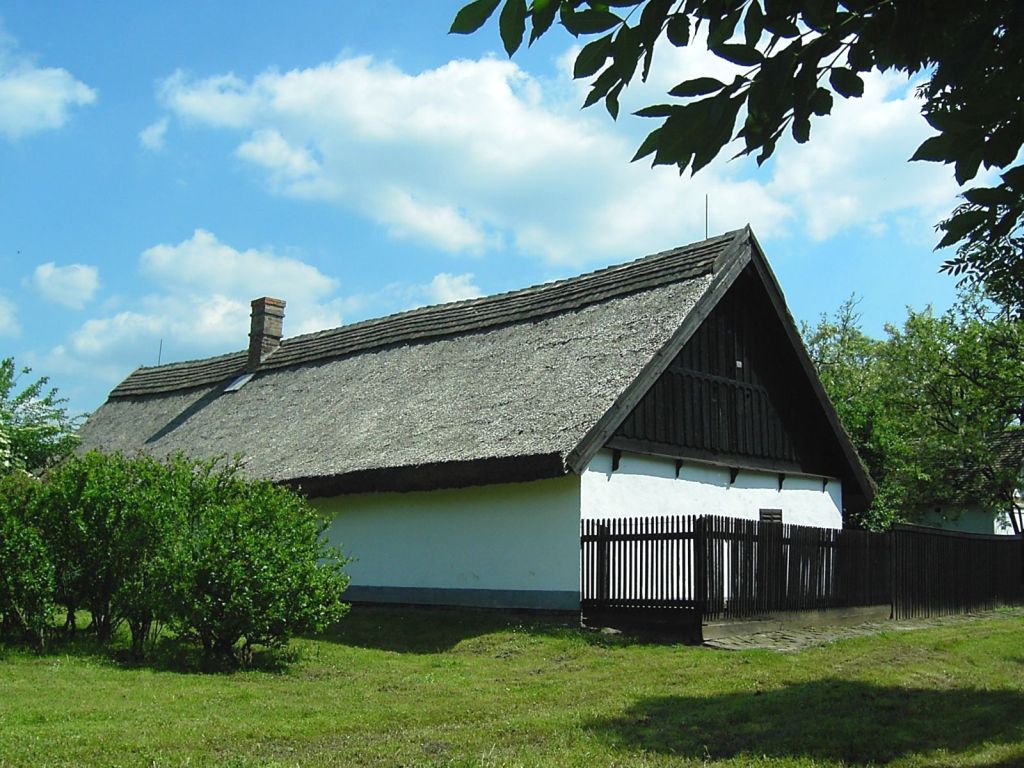
Hódmezővásárhely is a characteristic town of the Great Hungarian Plain, situated in a region bordered by the Tisza River, where tradition and contemporary culture coexist in harmony. The town has been renowned for centuries for its craftsmanship and pottery, which is reflected both in the aesthetics of everyday objects and in the living heritage of its creative communities. The Belvárosi Fazekasház (Downtown Pottery House) and the Folk Art Open-Air Museum preserve the material culture of the rural Great Plain, as well as the traditions of local pottery and folk decorative arts, offering a glimpse into a vanished yet still enduring culture.
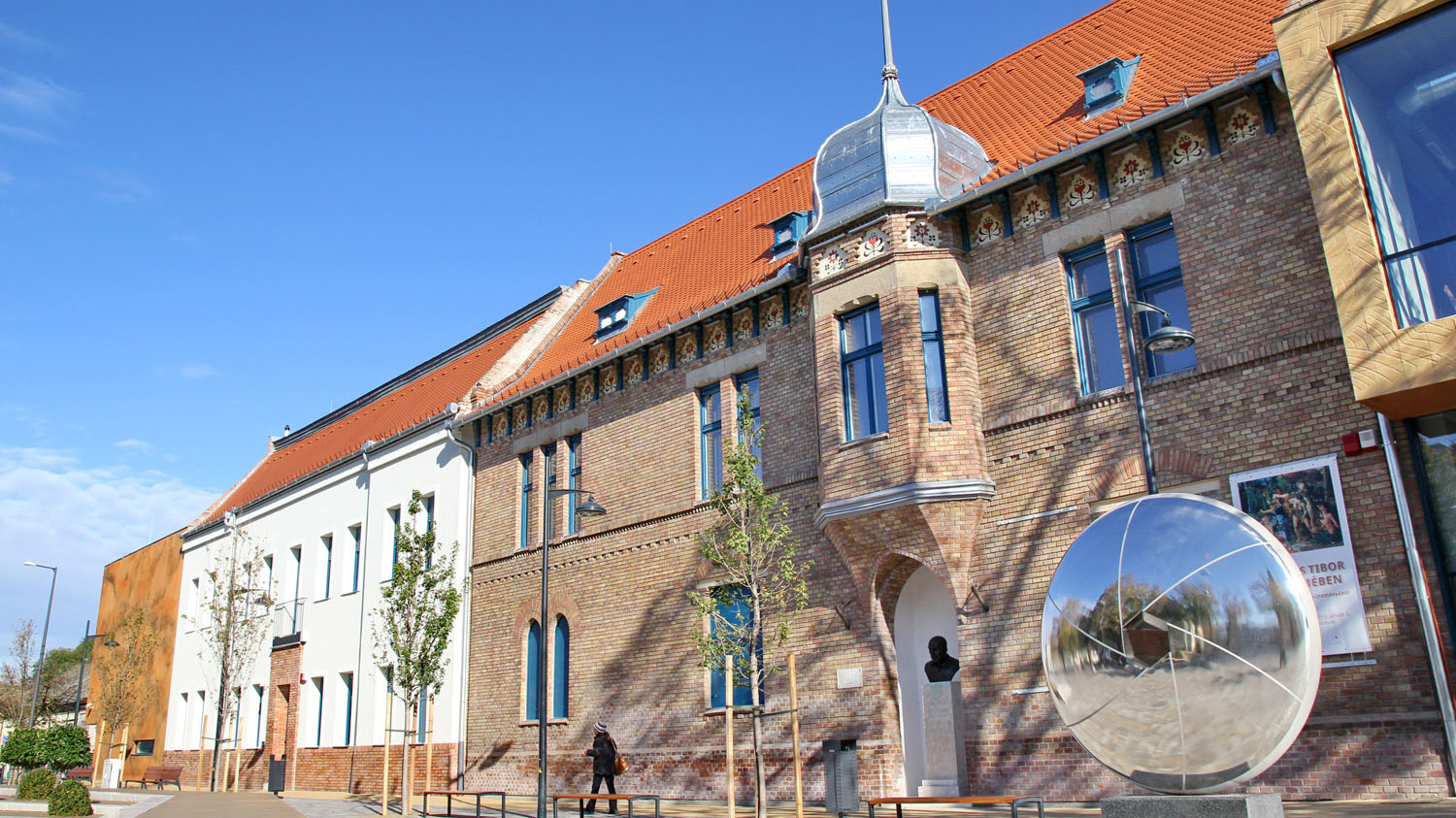
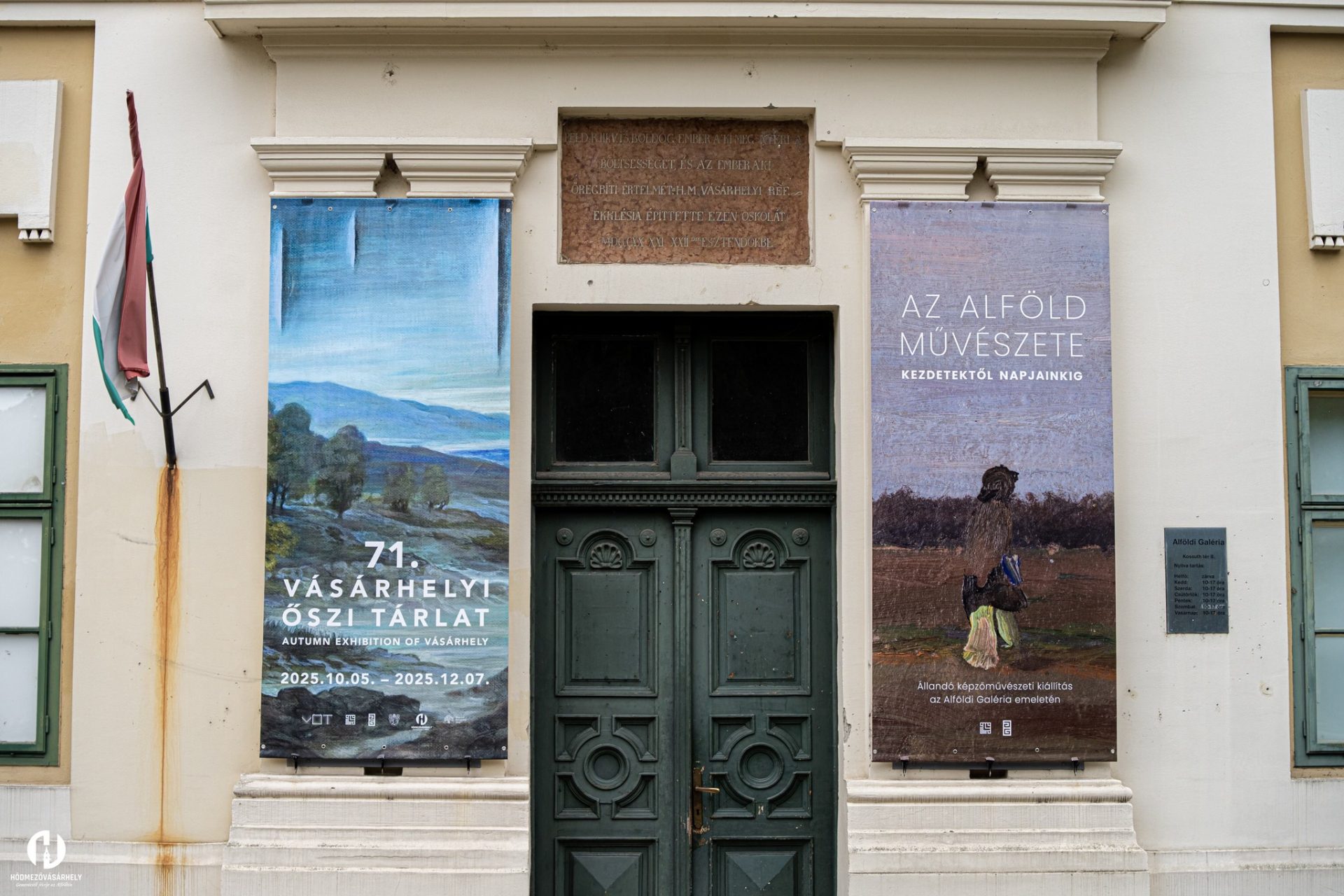
One of the city’s most significant museums is the János Tornyai Museum, where a unique visible storage collection in the Southern Great Plain region displays around fifteen hundred ethnographic, archaeological, local history, and fine art objects of outstanding significance. The Alföld Gallery also hosts the paintings of János Tornyai. Since 2006, on the first Sunday of every October, the nationally important Autumn Exhibition has opened its doors in the Alföld Gallery. This exhibition is unique in Europe, as there is no other fine art showcase that has been held annually since 1954 without interruption.
The cultural meeting point of the city is the Ferenc Bessenyei Cultural Center, which serves as a venue for concerts, theatrical performances, community events, and festivals. The city’s literary heritage is preserved by the László Németh Municipal Library, where a memorial room dedicated to the writer allows for a more personal encounter with his life’s work.
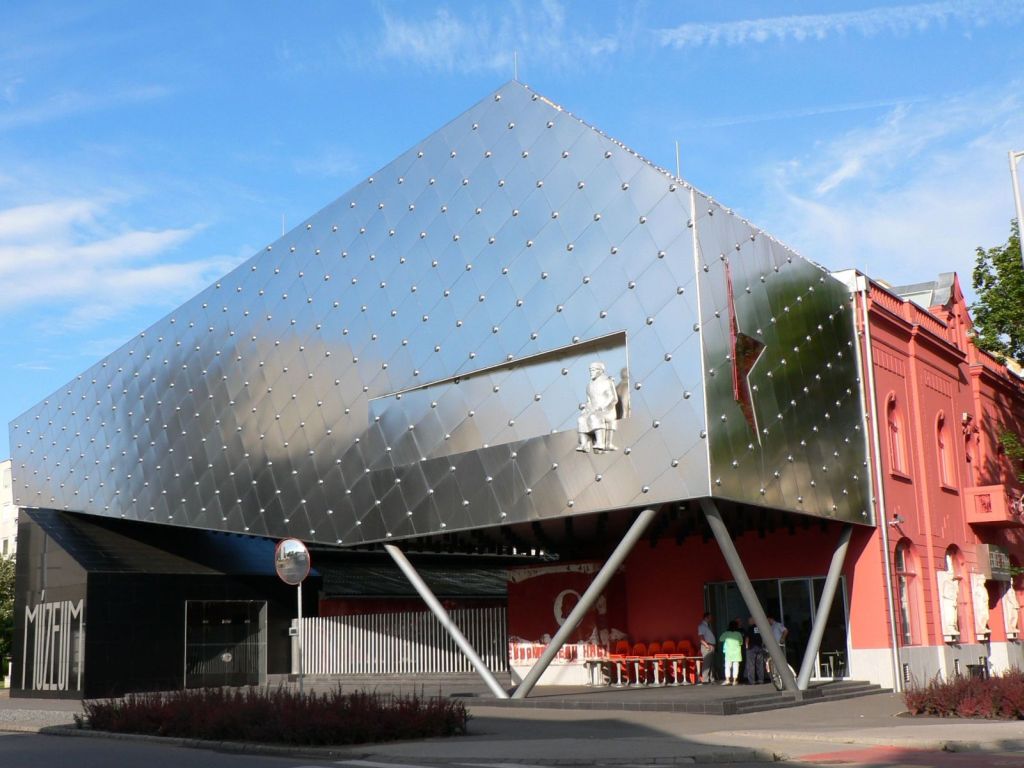
A particularly important site of the city’s historical memory is the Emlékpont (Memorial Point), which presents the local and national contexts of 20th-century Hungarian history through modern, experiential exhibition methods. Since its opening on July 7, 2006, the museum has depicted what life was like during the era of the “socialist experiment” between 1945 and 1990, recalling the fate of the people living in the surrounding settlements.
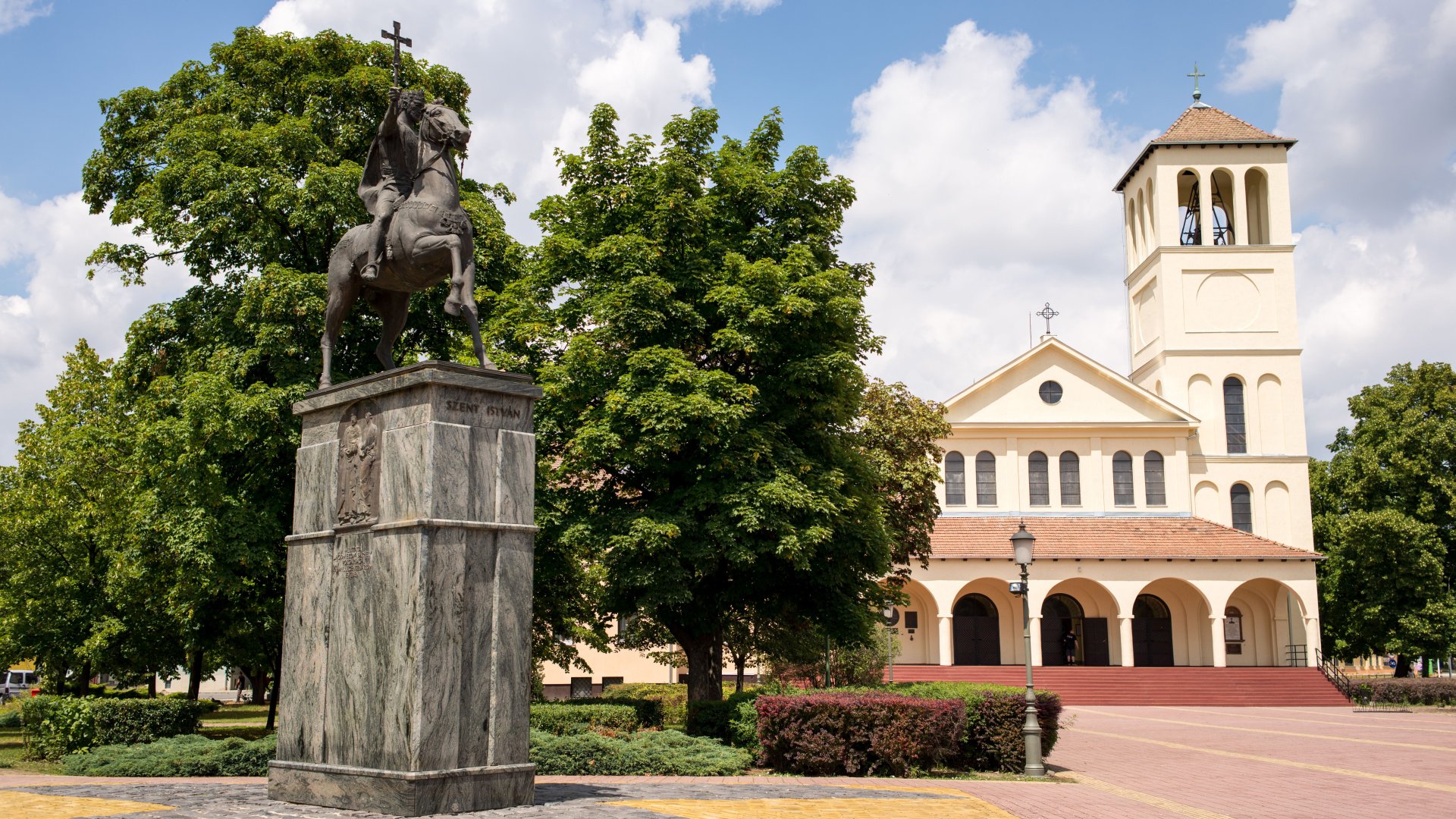
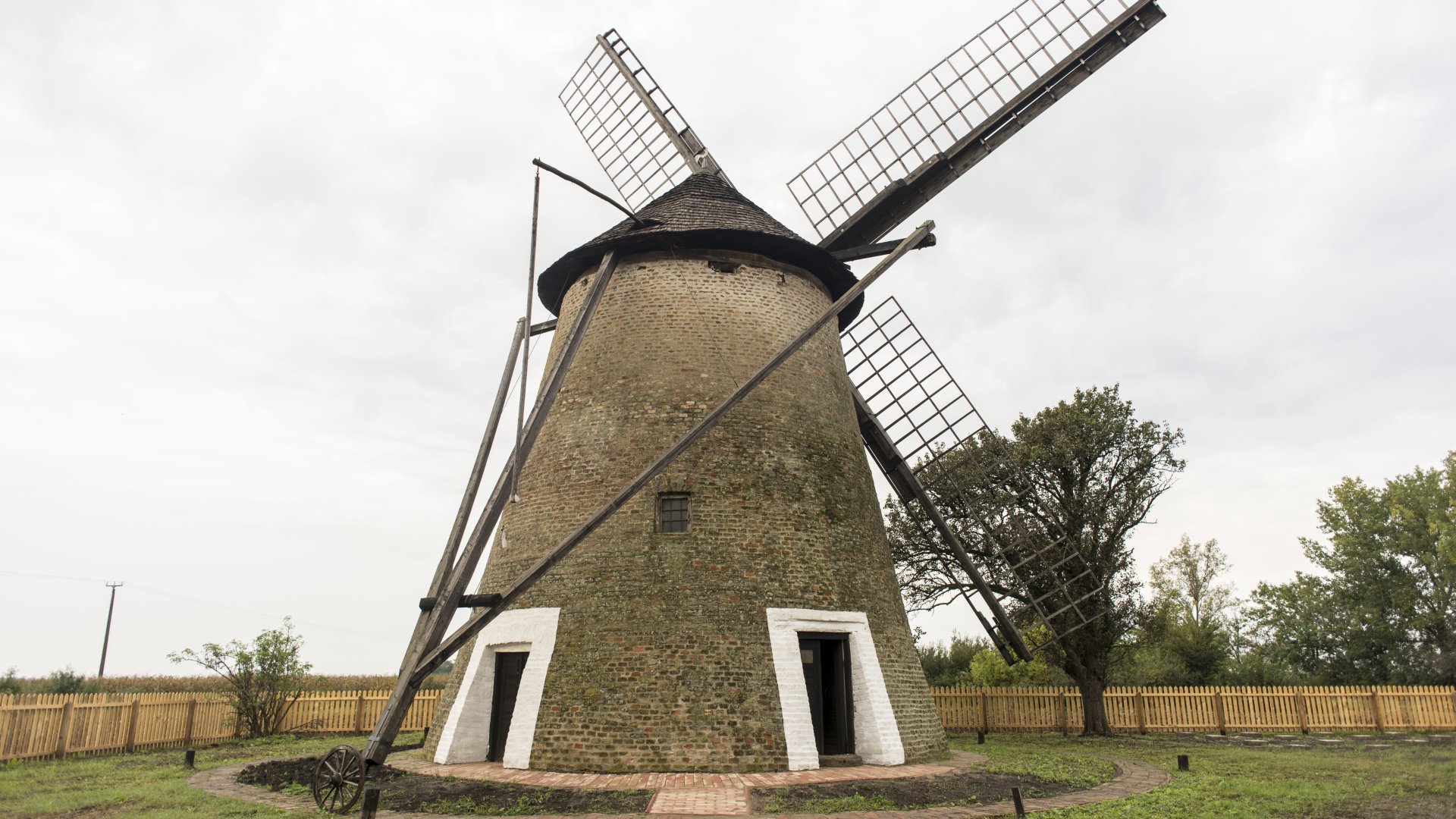
Among the city’s religious and architectural heritage, notable landmarks include the Church of Saint Stephen, the Unitarian Church, the Reformed New Church, as well as the Synagogue and the “Hungarian Tragedy 1944” memorial exhibition site, which preserves the memory and history of the city’s Jewish community. A unique highlight of the townscape is the Papi Windmill, which came into the possession of the Papi family in 1891. They operated the mill, built on a small hill along with its miller’s house, until the 1940s. It was declared a folk monument in 1962.
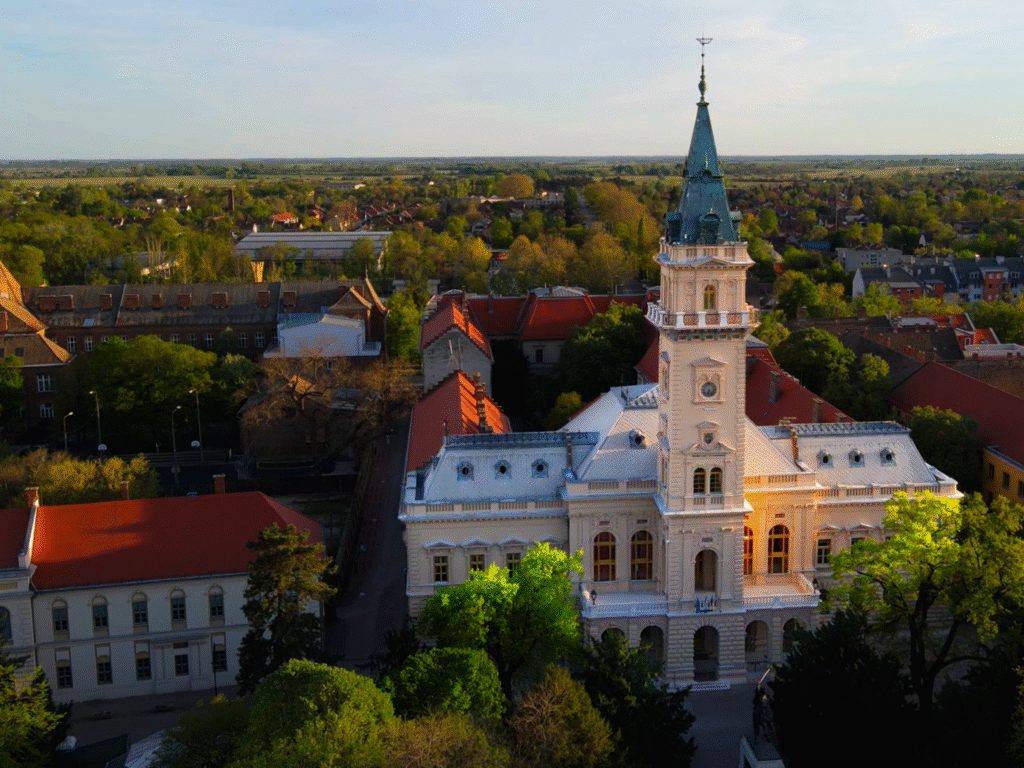
One of the most impressive public buildings in the city center is the Town Hall, constructed between 1892 and 1894 based on the plans of architect Lajos Ybl. From its tower, over 50 meters high, visitors can enjoy a panoramic view of the main square and the city. The interior halls serve not only administrative purposes, the ceremonial hall is adorned with paintings that highlight the city’s artistic heritage.
The Black Eagle Ballroom is one of the city’s special event venues. Originally functioning as a restaurant and hotel in the 19th century, it received its current form in 1905, based on the plans of architect Gyula Pártos. The building is characterized by its enormous, column-free ballroom, which is said to be the second largest of its kind in Central Europe.
“Hugging Olga” is an extraordinary wooden sculpture over four meters tall, located in the depths of the forest near Hódmezővásárhely. The work is by internationally renowned Danish artist Thomas Dambo, who creates giant “forest dwellers” around the world to encourage people to rediscover nature and connect with it with love and curiosity. The sculpture is made entirely from recycled wood, making it not only visually striking and endearing, but also a symbol of environmental consciousness.
The creation of the sculpture was a community effort: international experts and local volunteers worked together, making it an artistic, natural, and communal experience at the same time. Its location is intentional – situated along a forest trail, the visit can be combined with an easy hike or family walk. The site is only 23–27 km from Szeged in the direction of Hódmezővásárhely and can be easily reached by Tram-Train followed by a short walk.