Szeged – Kiskundorozsma
The settlement, developed from fishermen’s cottages, was first recorded in 1237 under the name Durusma.



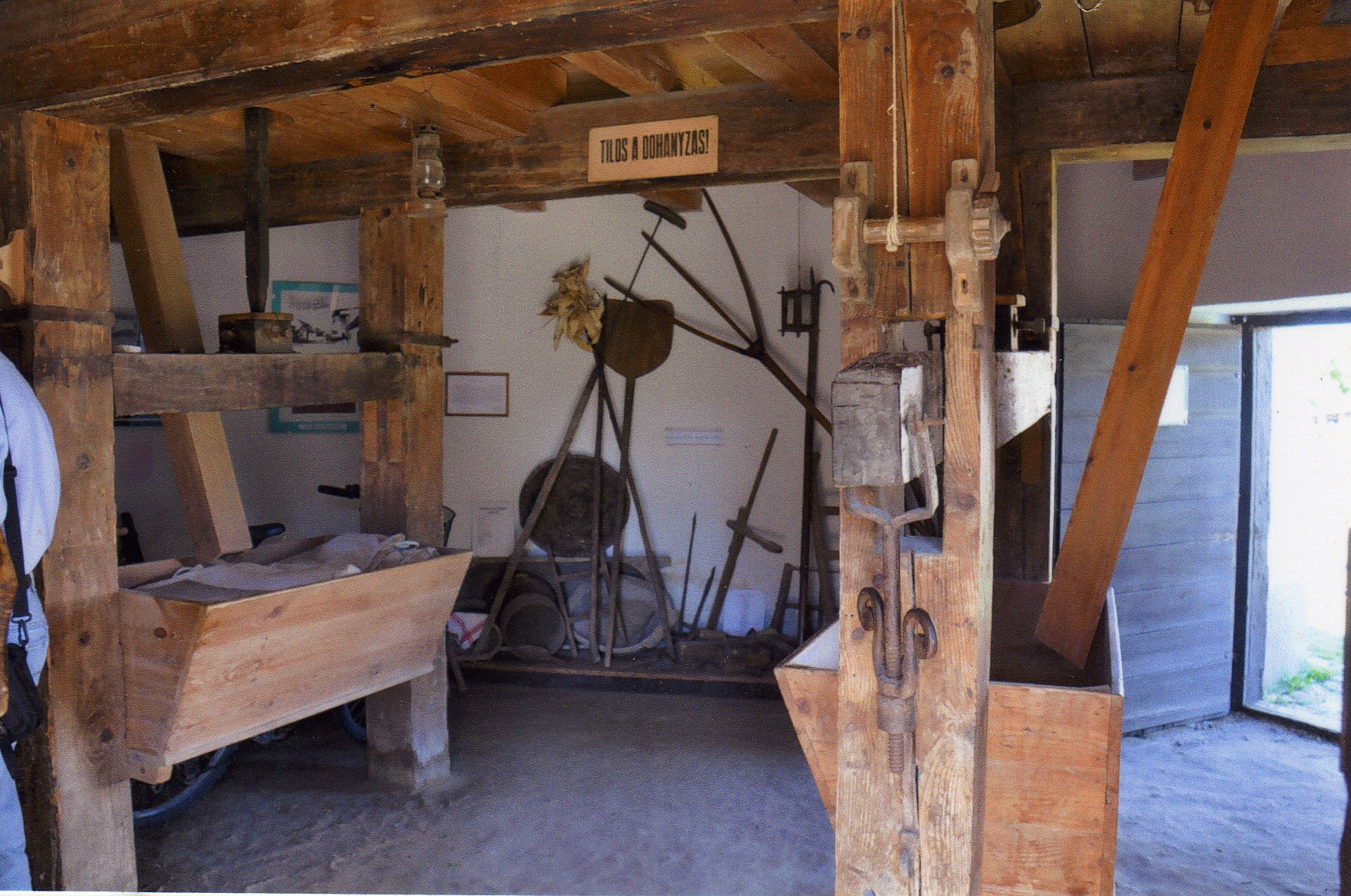
The settlement, developed from fishermen’s cottages, was first recorded in 1237 under the name Durusma.

The centre was opened in December 2012 with the aims of presenting the research results of the region in a simple and understandable way and directing children’s attention to natural sciences.

The tower, which can hold 1004,8 m3of water, was designed by Szilárd Zielinski.
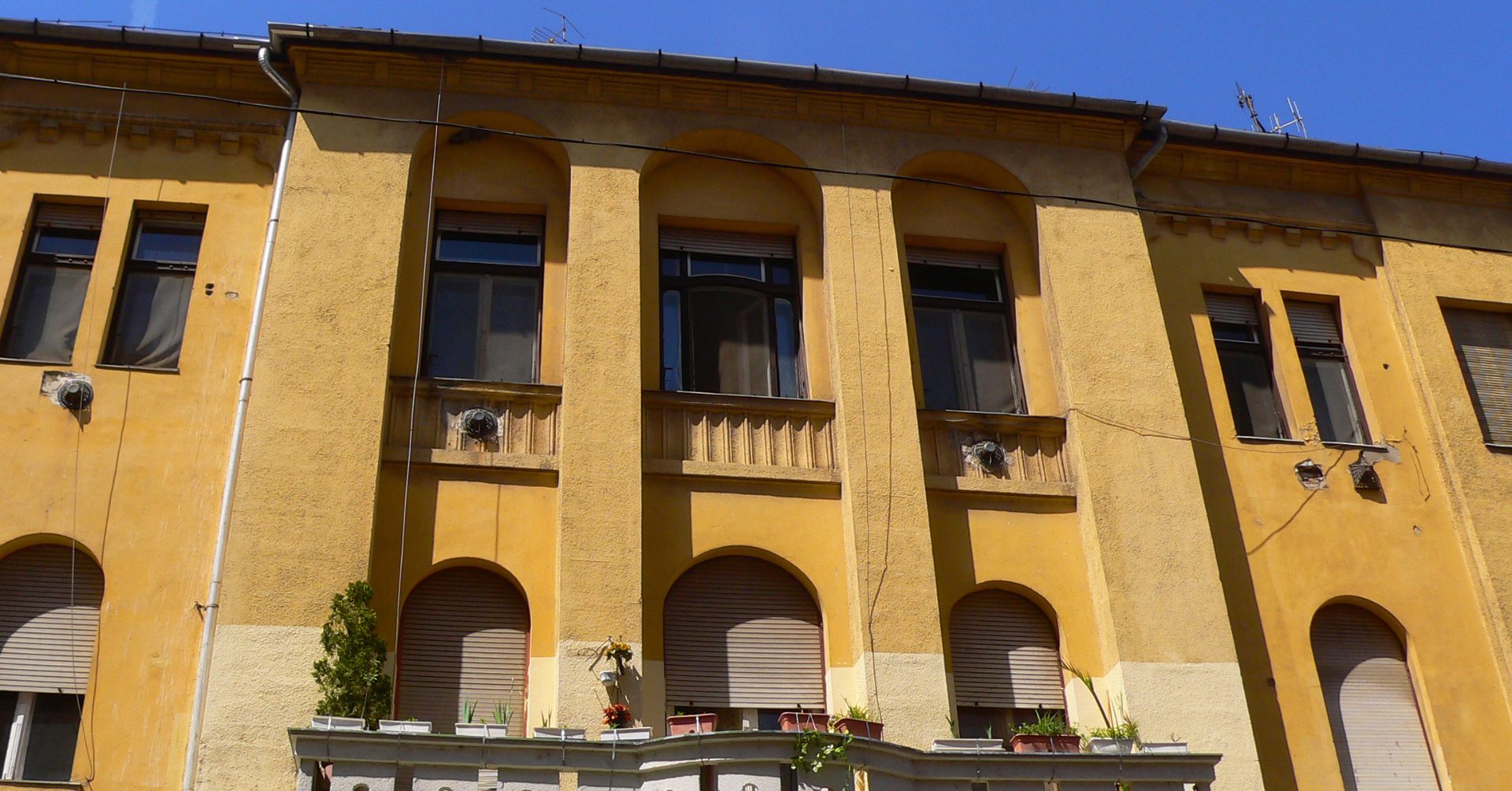
The current sight of the Schäffer Palace confronts us indeed with how much Szeged’s cityscape lost when in the 1920s, the house owners, complaining about the costly maintenance, almost totally…

Covering an area of 14 m2 it is the largest alkali lake in Hungary. In the first third of the 20th century it was turned into a system of fish ponds.

The town, located 12 km northwest to Szeged, was founded on the area donated to the victims of the Great Flood of 1879 from Algyő by marquis Sándor Pallavicini.
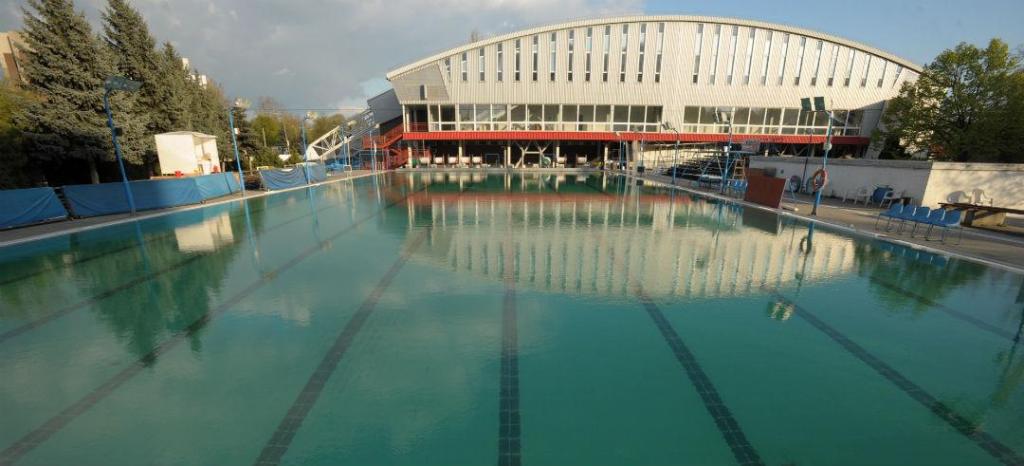
The Sport Swimming Pool is located on the Újszeged district of the town, it’s easily accessable with a ten-minutes walk from the downtown. The 50 m pool is open-air in summer time and topped throughout the winter. It provides a training and competitive area for various sports clubs.
Everey day of the week the pool is opened for evening swimming.

About 10 km from Szeged, between km 157–158 of Main Road E5, lies the renewed visitor site of the Kiskunsági Nemzeti Park. The visitor center consists of two parts. The…
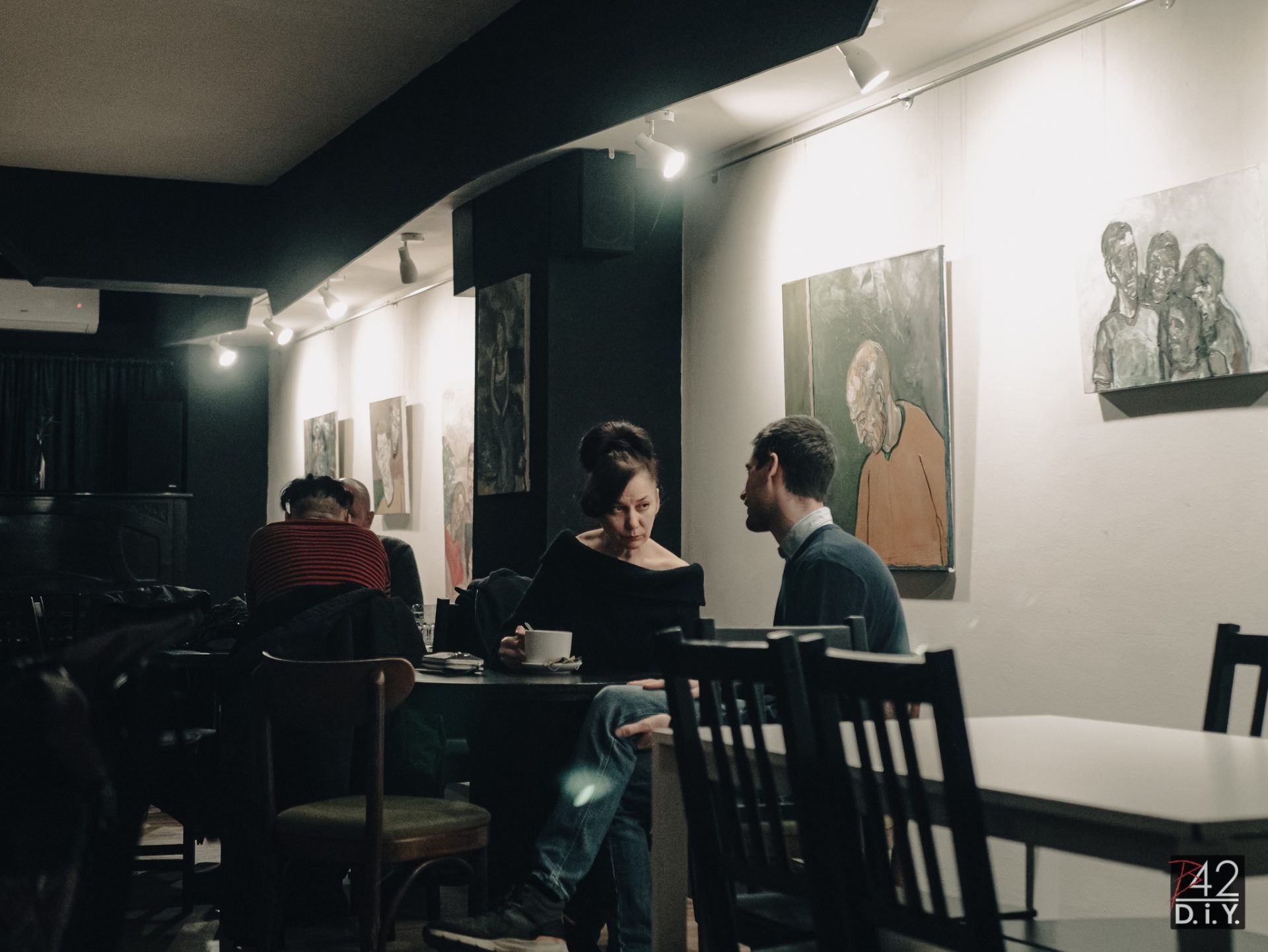
The Grand Café is not only a cinema, but also a café, as the name suggests, where you can always drink a delicious coffee, beer or wine before or after the cinema or – horribile dictu – instead.

The Nobel portrait plaque representing Katalin Karikó’s Nobel Prize can be seen on permanent display in the exhibition space of the Attila József Study and Information Center of SZTE. As…
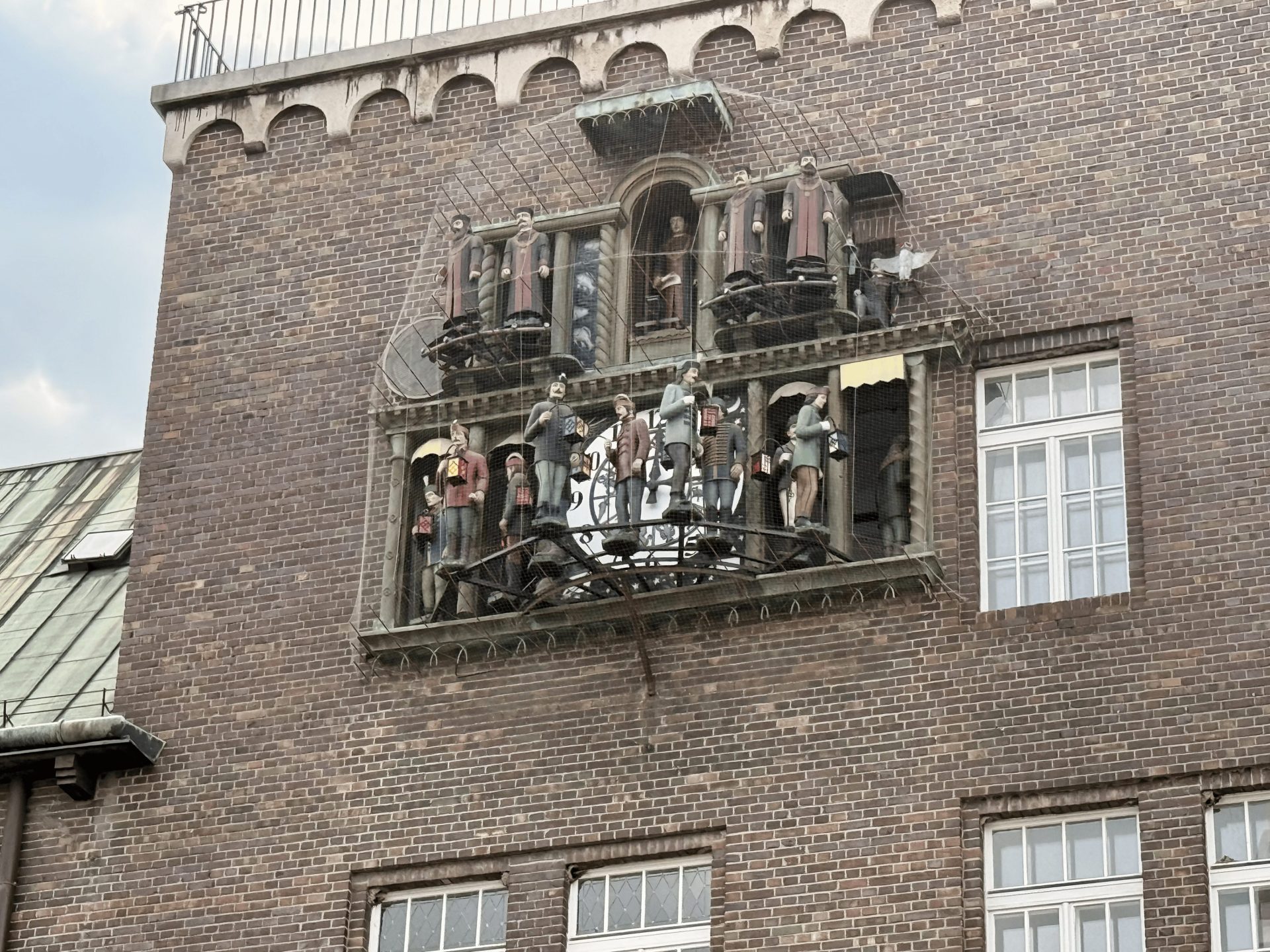
The tunes of this unique piece of art by watchmaker Ferenc Csúri could be first heard at the Open Air Festival in 1936.
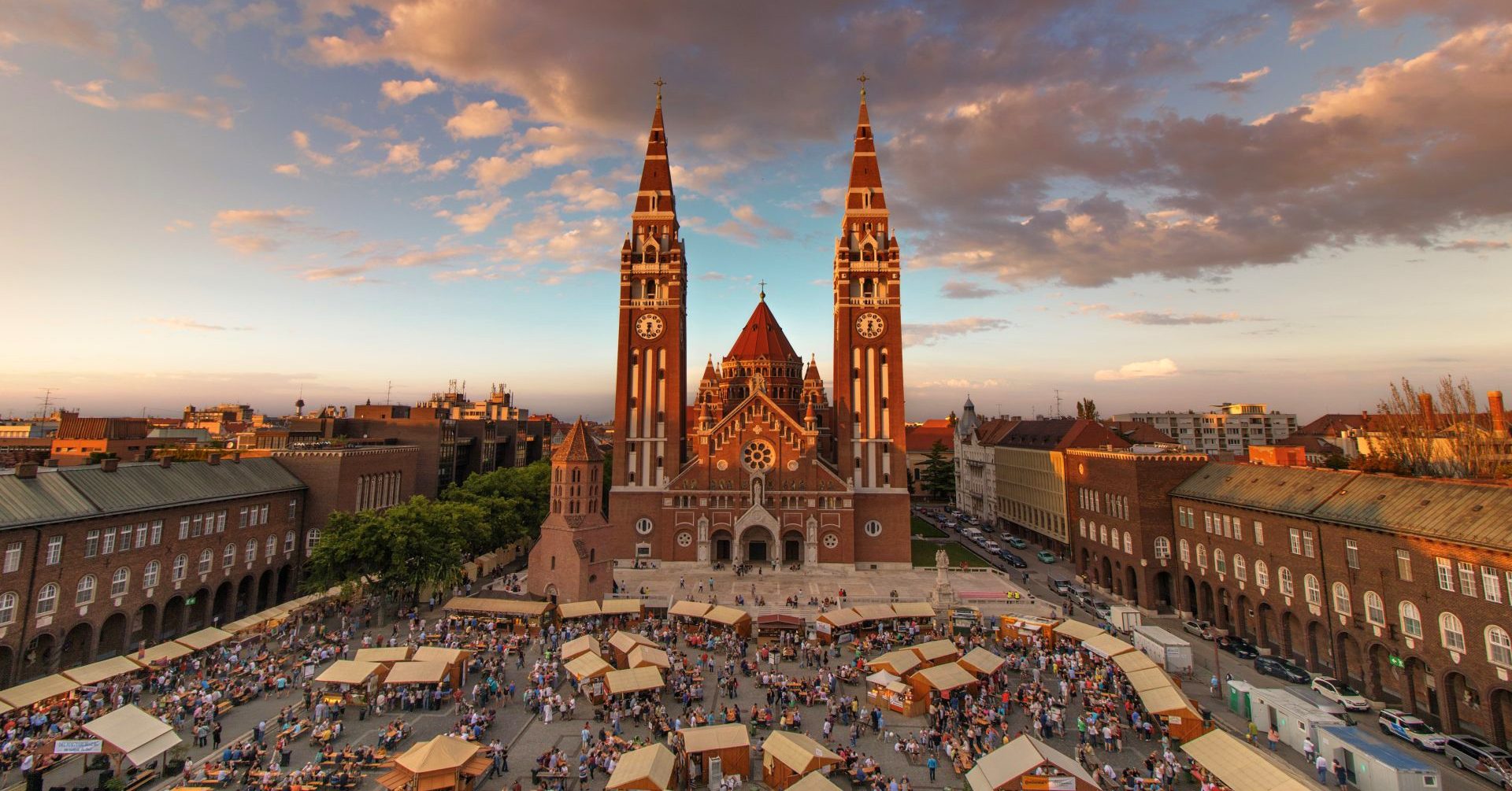
After the Great Flood (1879) destroying the city, the people of Szeged made an oath to build a majestic catholic church.
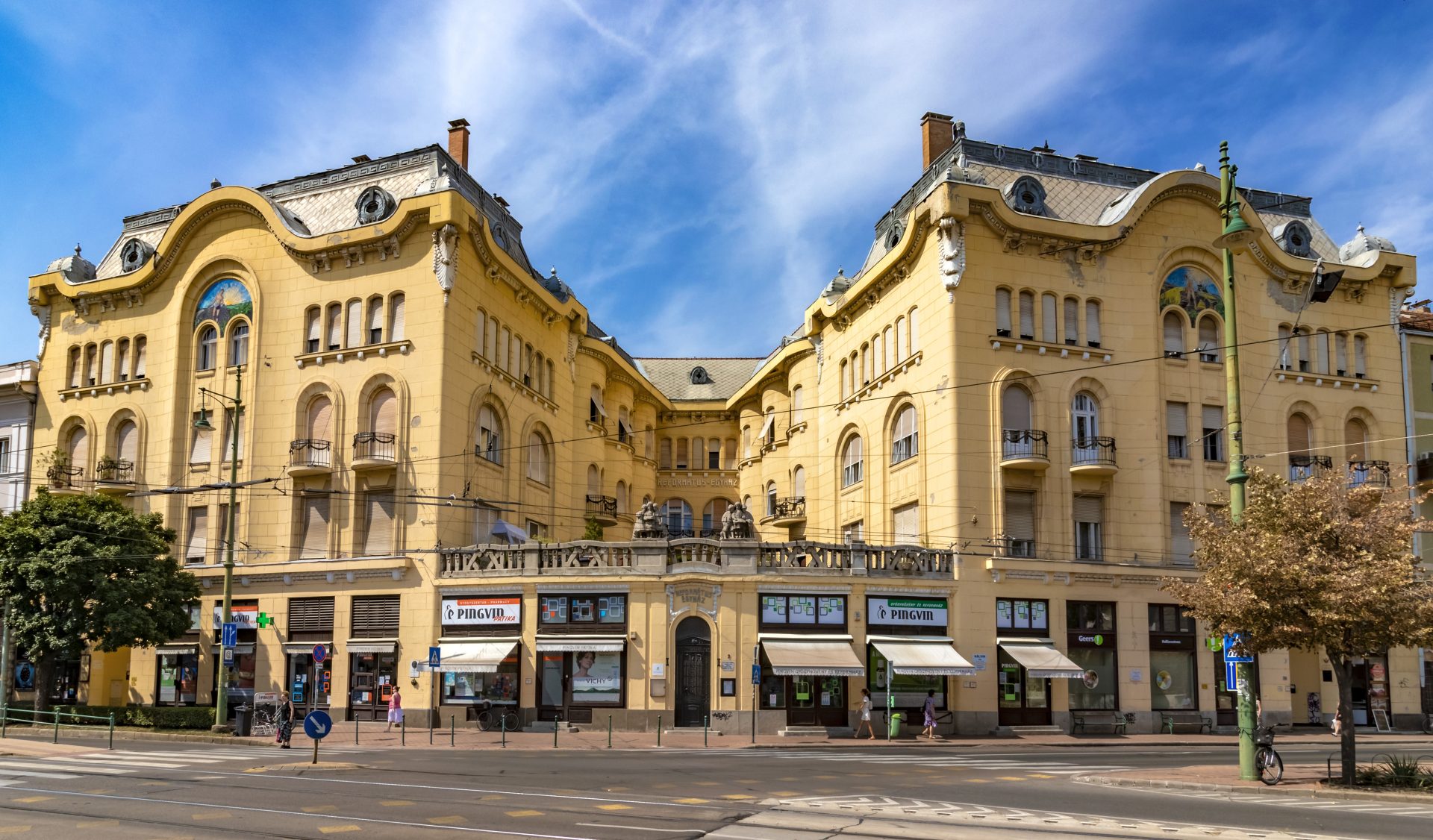
The palace attracts our attention mainly owing to its position in the cityscape and of course, to its spectacular facade as well as to its unusual siting.
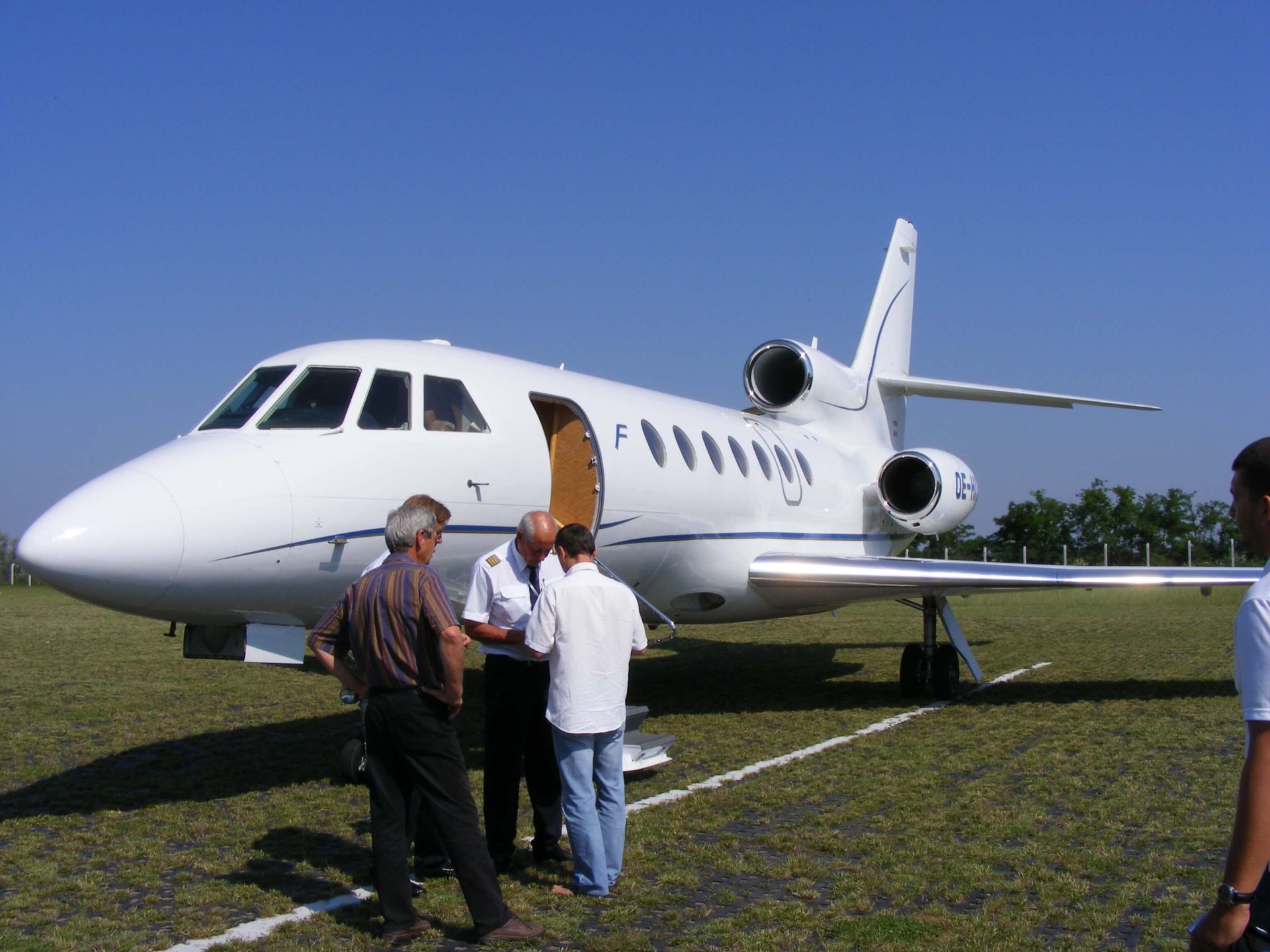
Admire the winding path of the Tisza River and the city’s landmarks from a bird’s-eye view!

Since the era of Maria Theresa, corps, barracks have always been present in Szeged but unfortunately, there are no active corps presently. Thus, the young people, the future generations and the tourists cannot see the beauties of military life at close quarters.
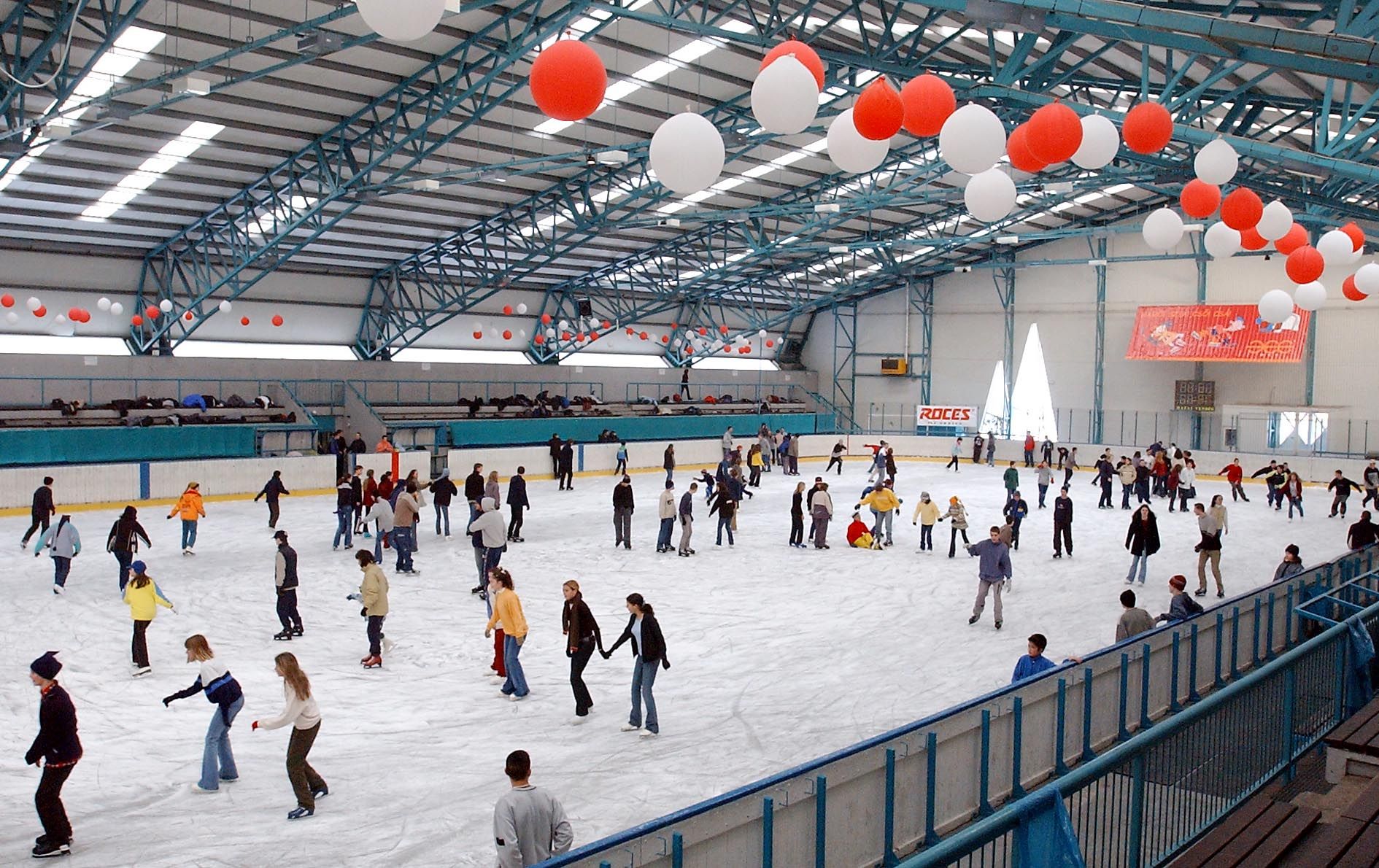
Ice Rink School classes and sports club training sessions take place at the City Ice Rink from Monday to Friday. Information about public opening hours can be found HERE. Information:6729…
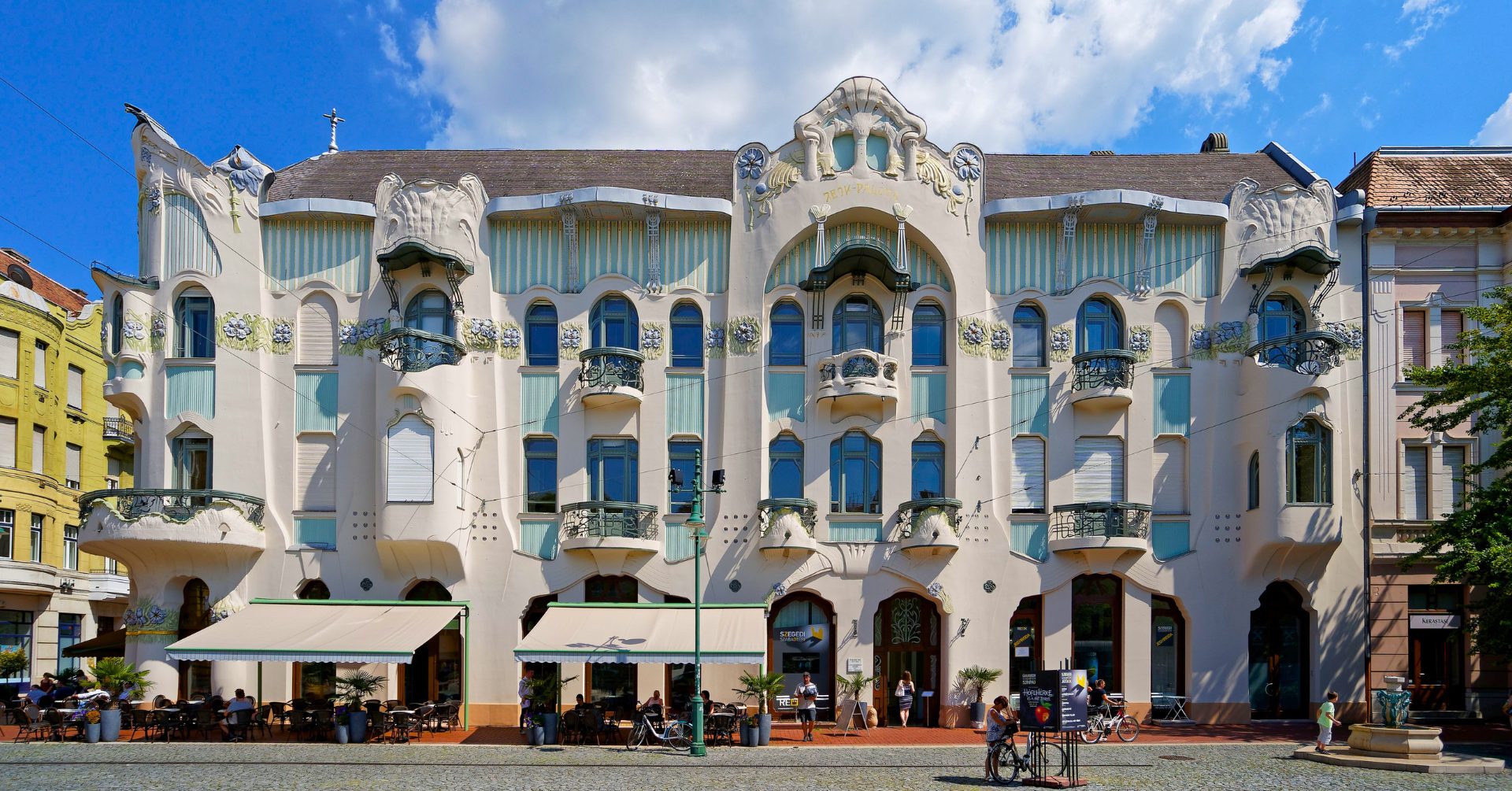
The architect Ede Magyar was thirty in 1907, when he constructed Reök Palace, an exemplary piece of Hungarian secession.