Dugonics Square
The square was named after the piarist priest and teacher András Dugonics, the writer of the first Hungarian novel (Etelka, 1788).



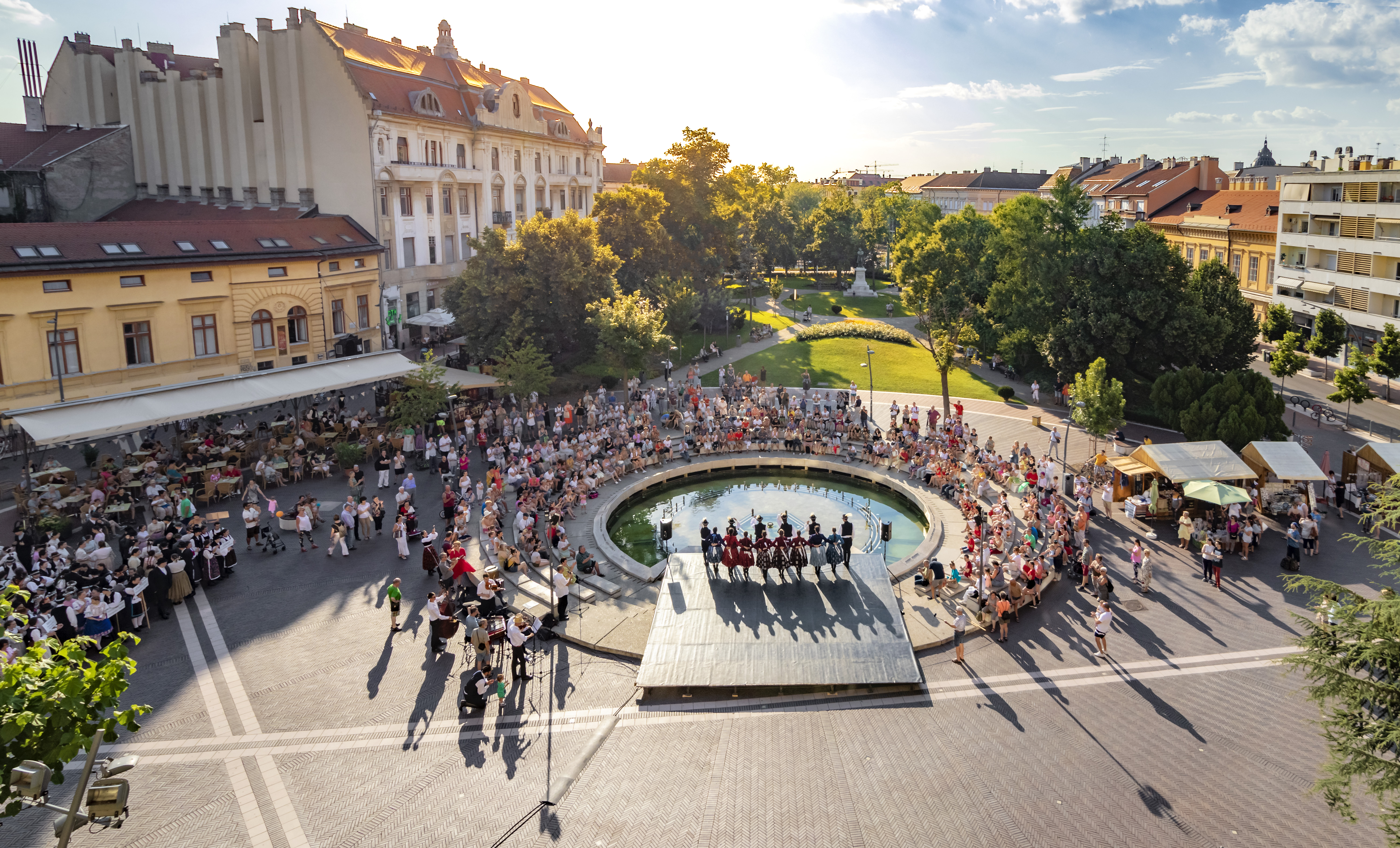
The square was named after the piarist priest and teacher András Dugonics, the writer of the first Hungarian novel (Etelka, 1788).

Since the era of Maria Theresa, corps, barracks have always been present in Szeged but unfortunately, there are no active corps presently. Thus, the young people, the future generations and the tourists cannot see the beauties of military life at close quarters.
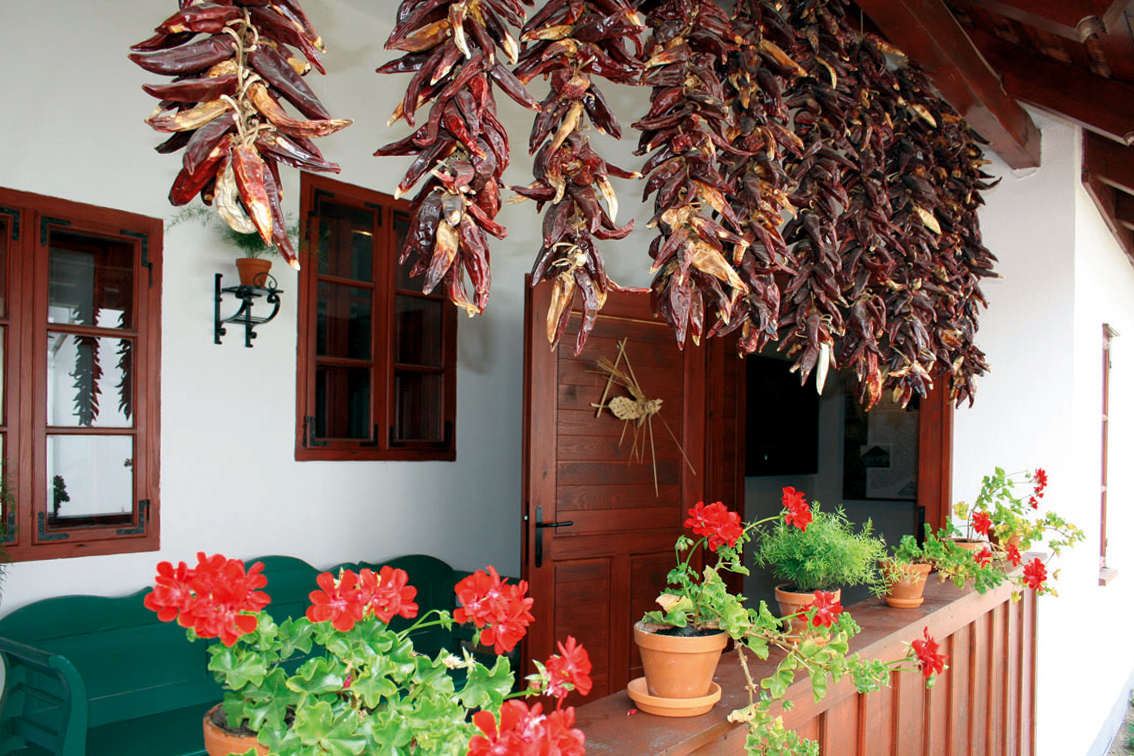
The God’s Eye motive of the main altar in the Alsóvárosi Church (Lower Town Church), the radial lines, became recognizable ornaments of the houses in lower town.

The western walls of the castle built on the bank of the River Tisza in the 13th century were situated in the present Széchenyi Square…
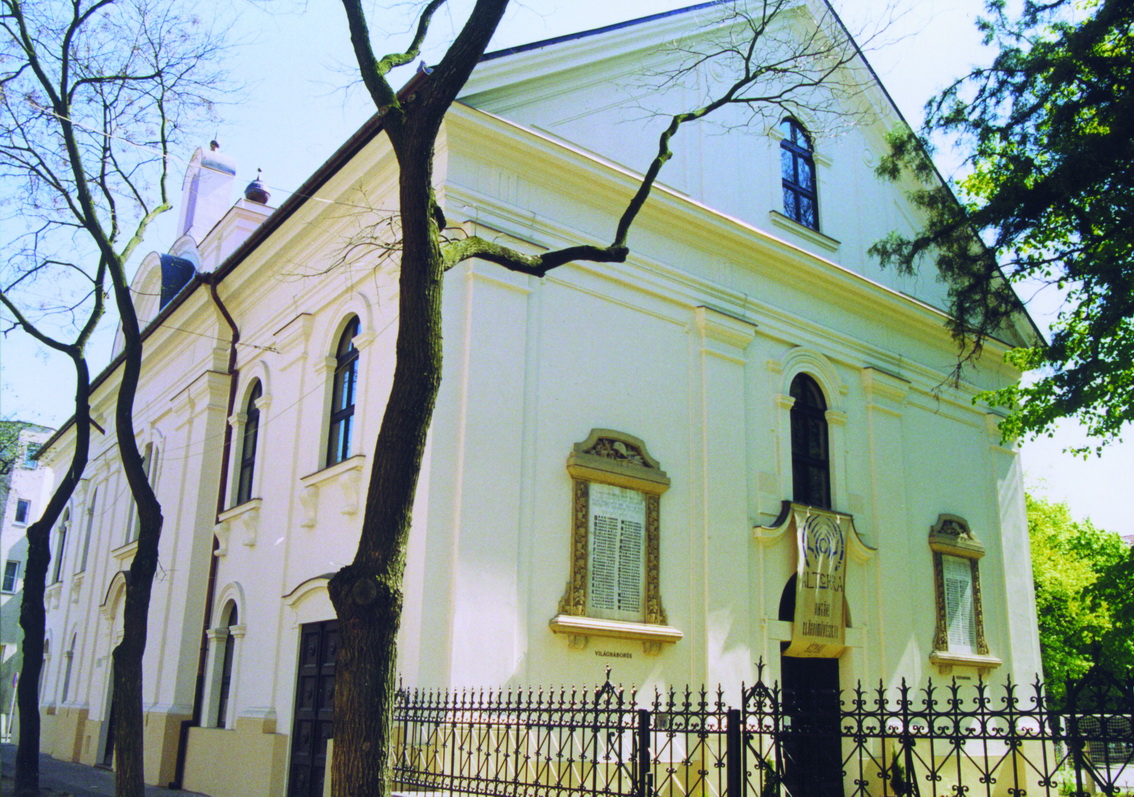
The nicely preserved monument built between 1837 and 843 was created by the Lipovszky brothers, Henrik and József.
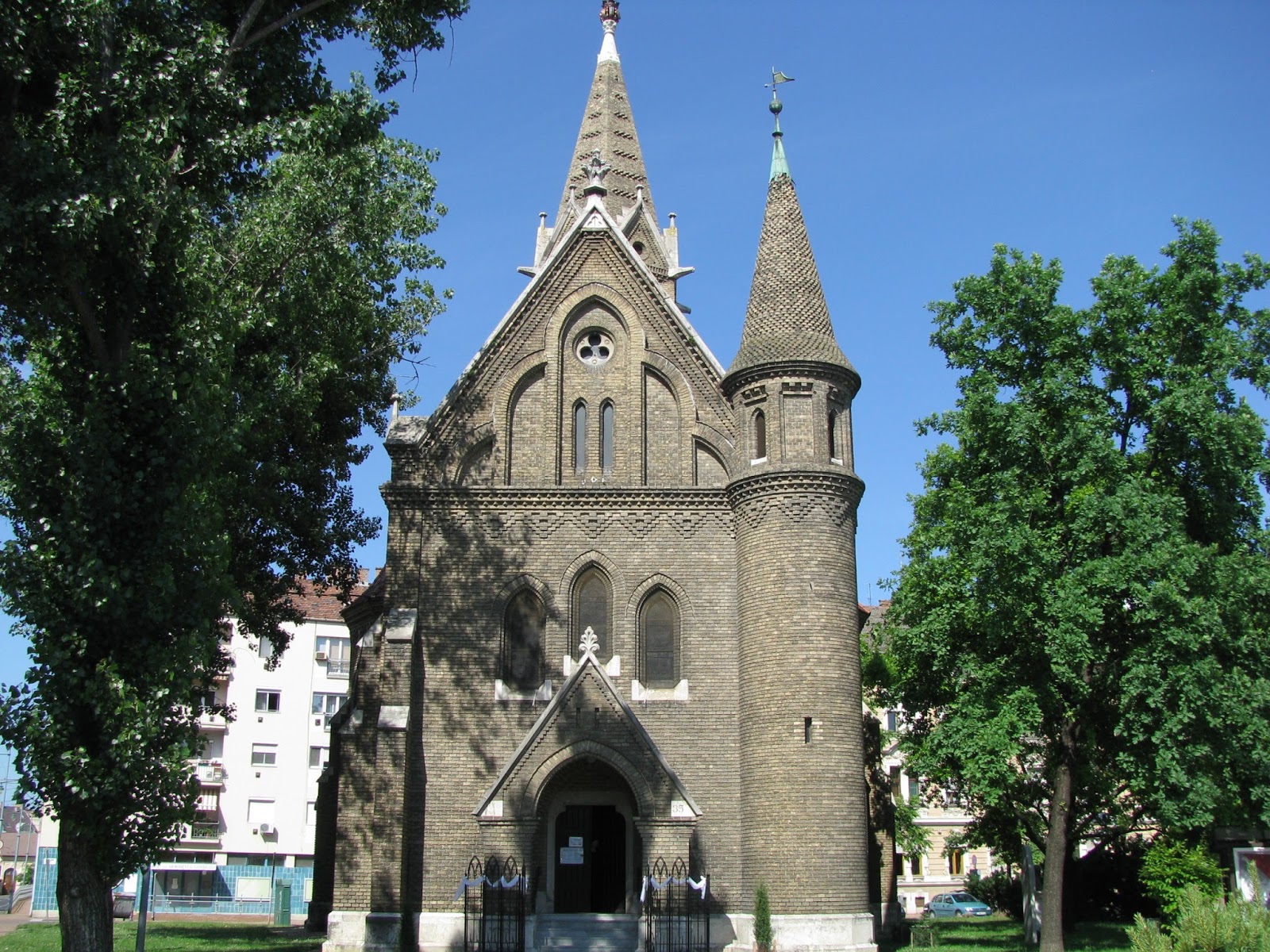
The building designed by Frigyes Schulek, completed in 1884, is also called the ‘Cockerel church’ owing to the figure decorating its tower.

The present City Hall is the third building in the same place with the same function. The first building of a modest design was raised in 1728. It was followed by the second one with the same area as the present hall, designed by István Vedres at the turn of the 18th and 19th centuries.
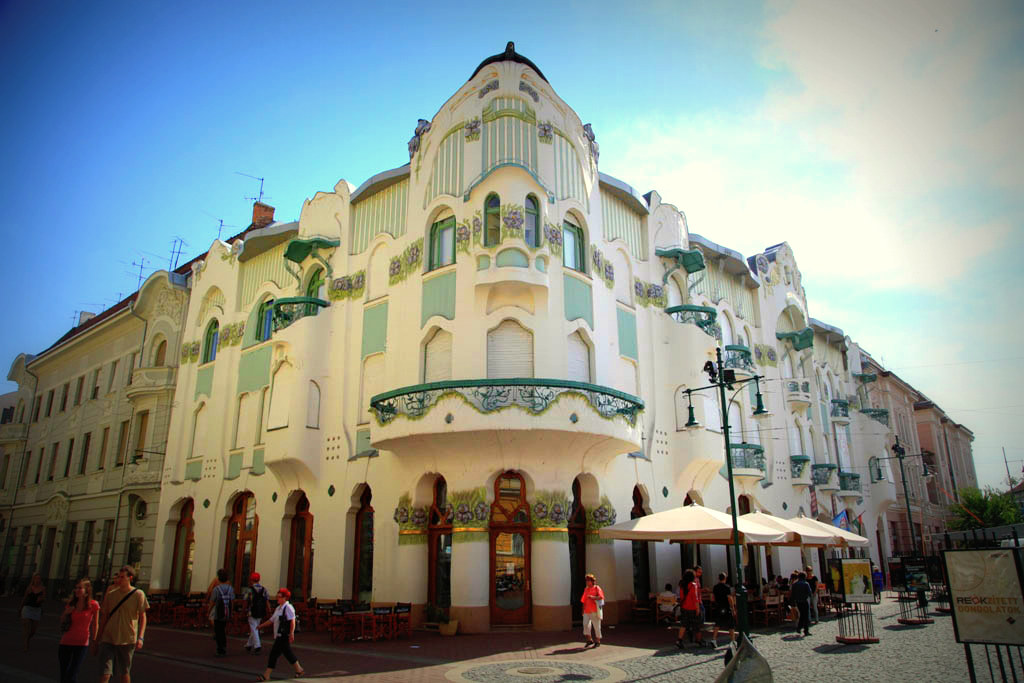
The architect Ede Magyar was thirty in 1907, when he constructed Reök Palace, an exemplary piece of Hungarian secession.