Green Oases in Szeged
As soon as the good weather arrives and we can finally escape the four walls, we have the chance to immerse ourselves in the beauty that nature has to offer….



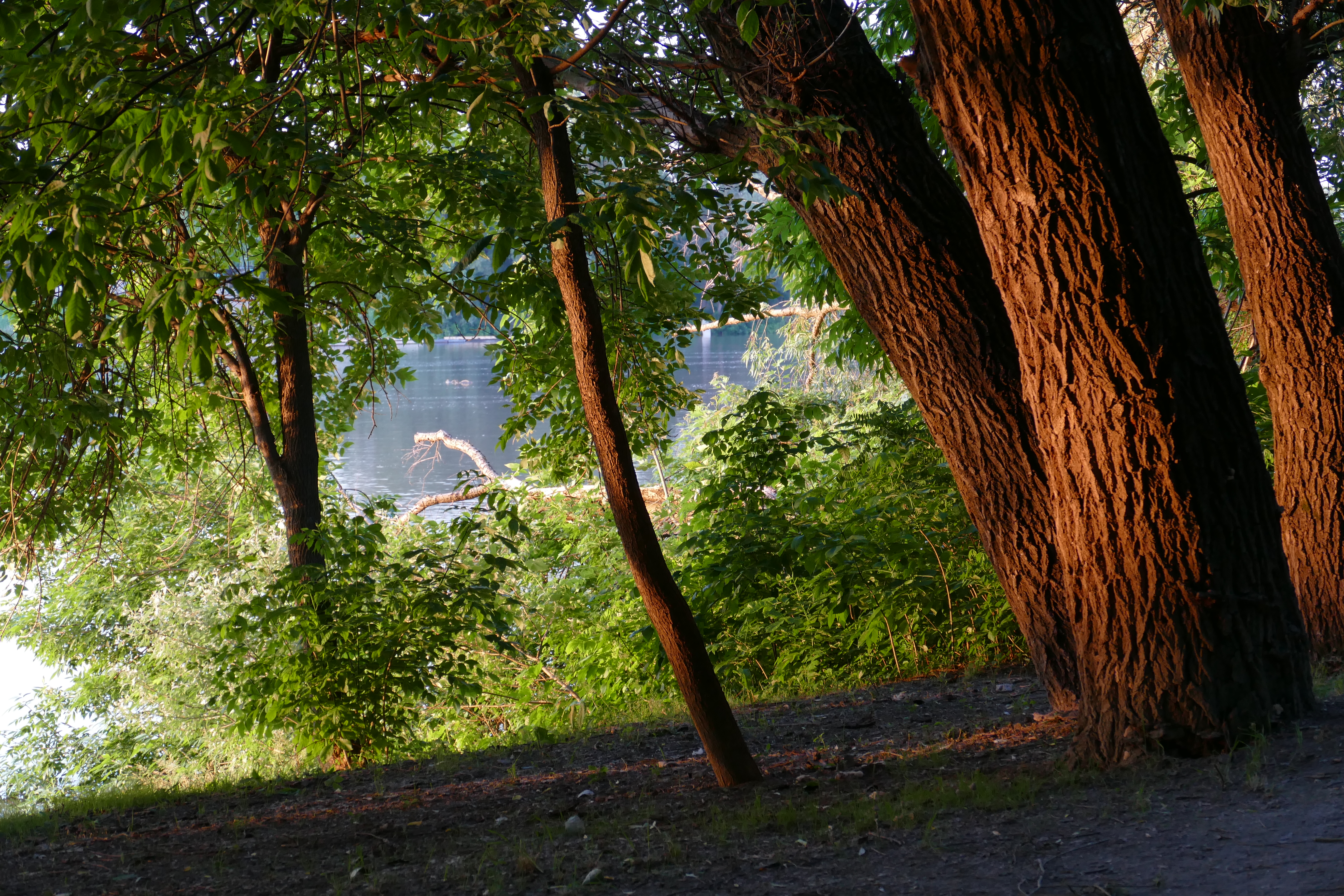
As soon as the good weather arrives and we can finally escape the four walls, we have the chance to immerse ourselves in the beauty that nature has to offer….

About 10 km from Szeged, between km 157–158 of Main Road E5, lies the renewed visitor site of the Kiskunsági Nemzeti Park. The visitor center consists of two parts. The…
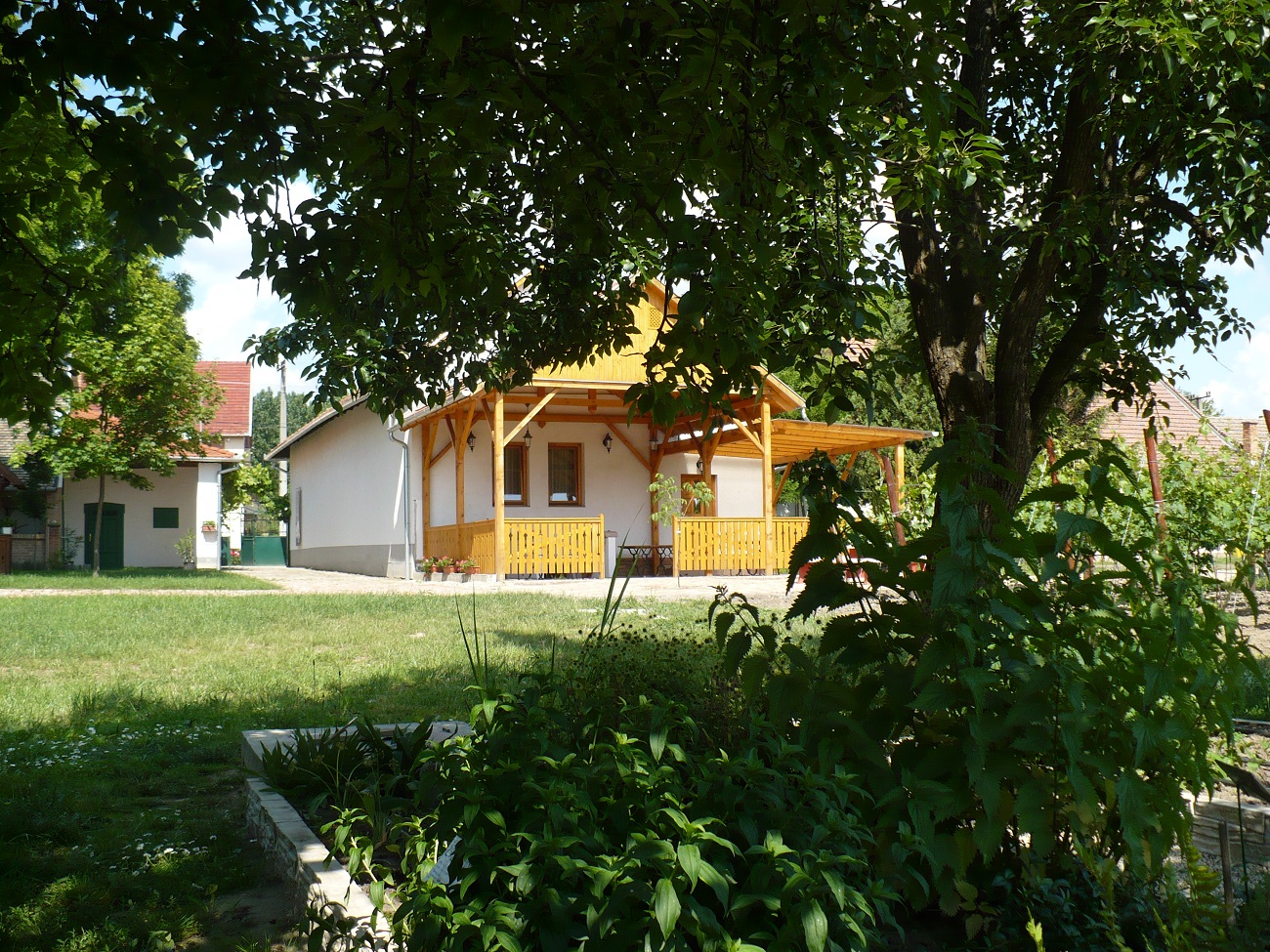
In Algyő, at 42 Kastélykert Street, the EZERJÓFŰ Herb and Medicinal Herb Garden awaits its visitors, a gradually expanding collection of plants that thematically groups medicinal plants according to their…

“Love your neighbour as yourself.” The biblical commandment can be read in Hebrew and Hungarian on the triumphal arch of the New Synagogue built in 1903. The use of the…

The building of the school was built in 1914. It worked as a military hospital during World War I, and from 1921 it also served as a medical chemistry…
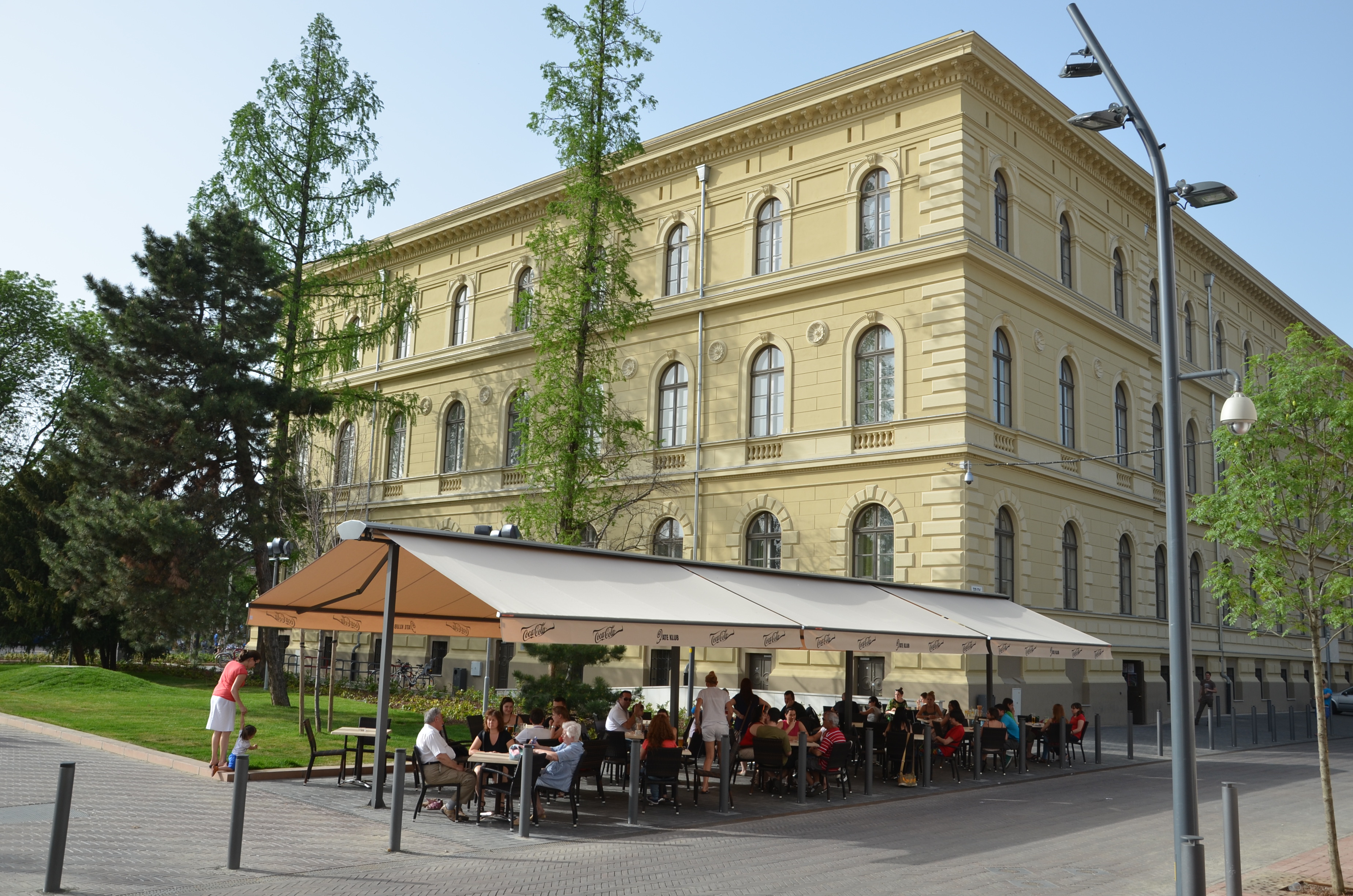
The popular entertainment venue for university students in Szeged opened its doors in March 1973 as the club of the József Attila University.
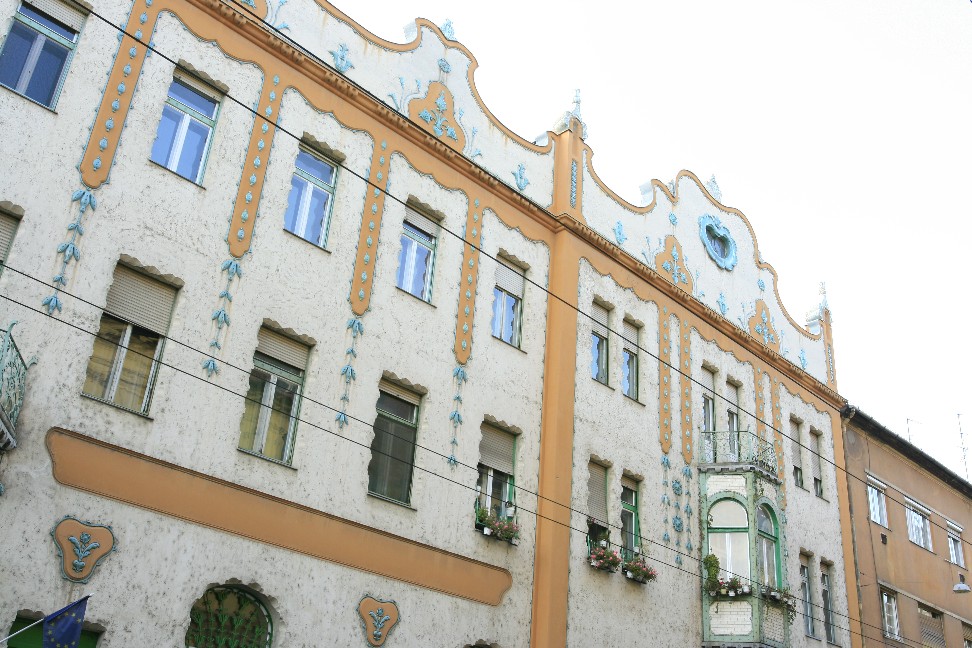
It was designed by Mihály Erdélyi with majolica ornaments in green, blue and orange and built between 1900 and 1902.
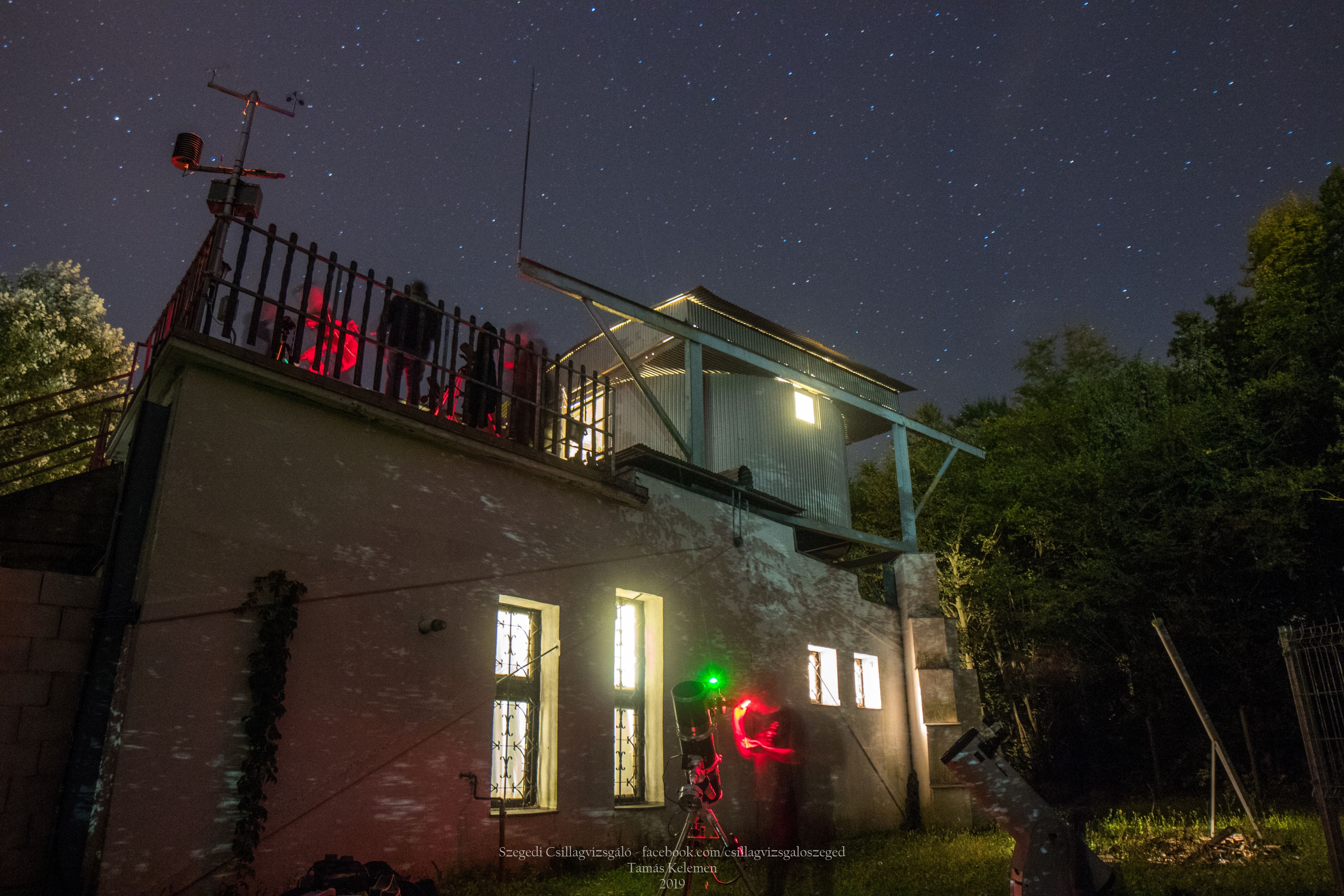
The observatory located in Újszeged was built by the Szeged Observatory Foundation more than twenty years ago.
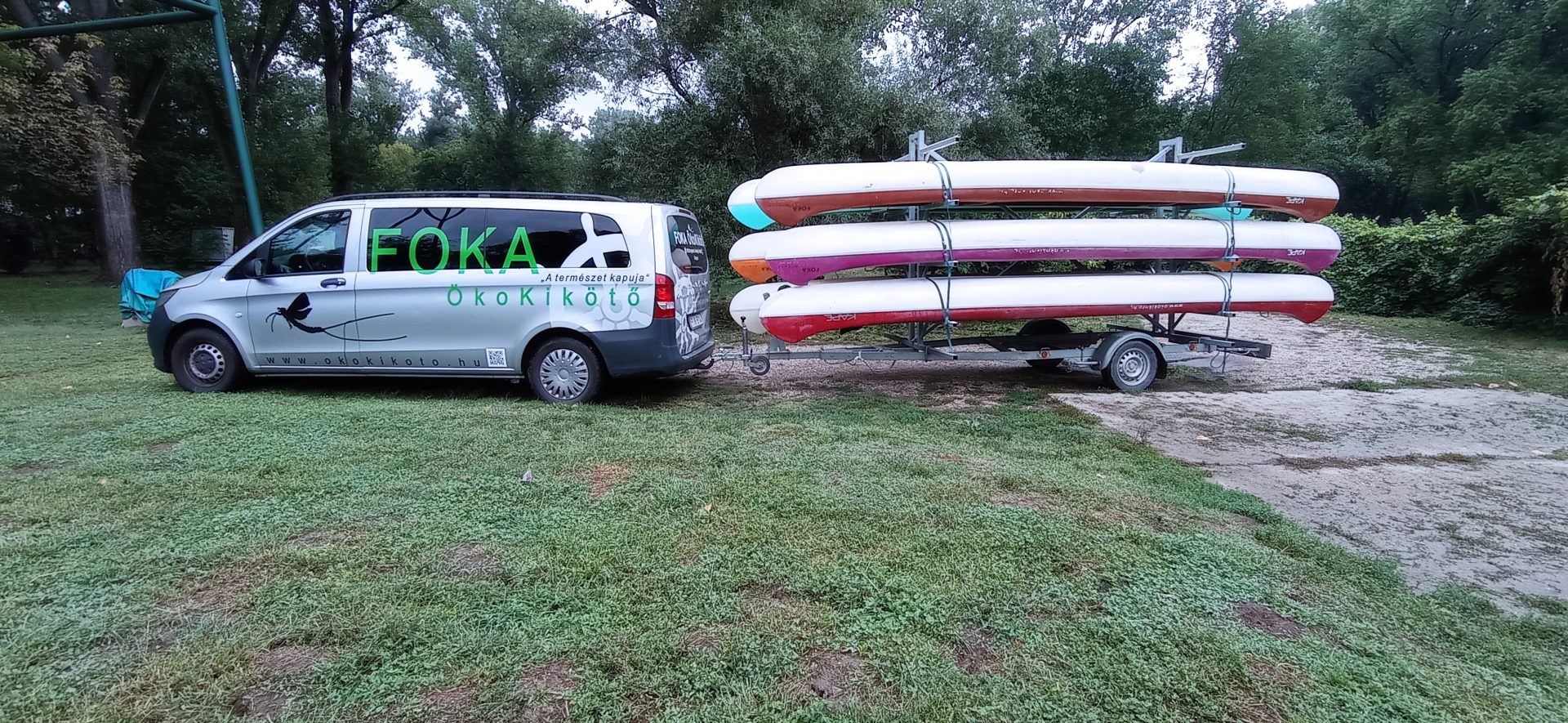
Our public small boat marina on the Tisza River in Szeged awaits water lovers. Services: boat, kayak and canoe rental, catering.
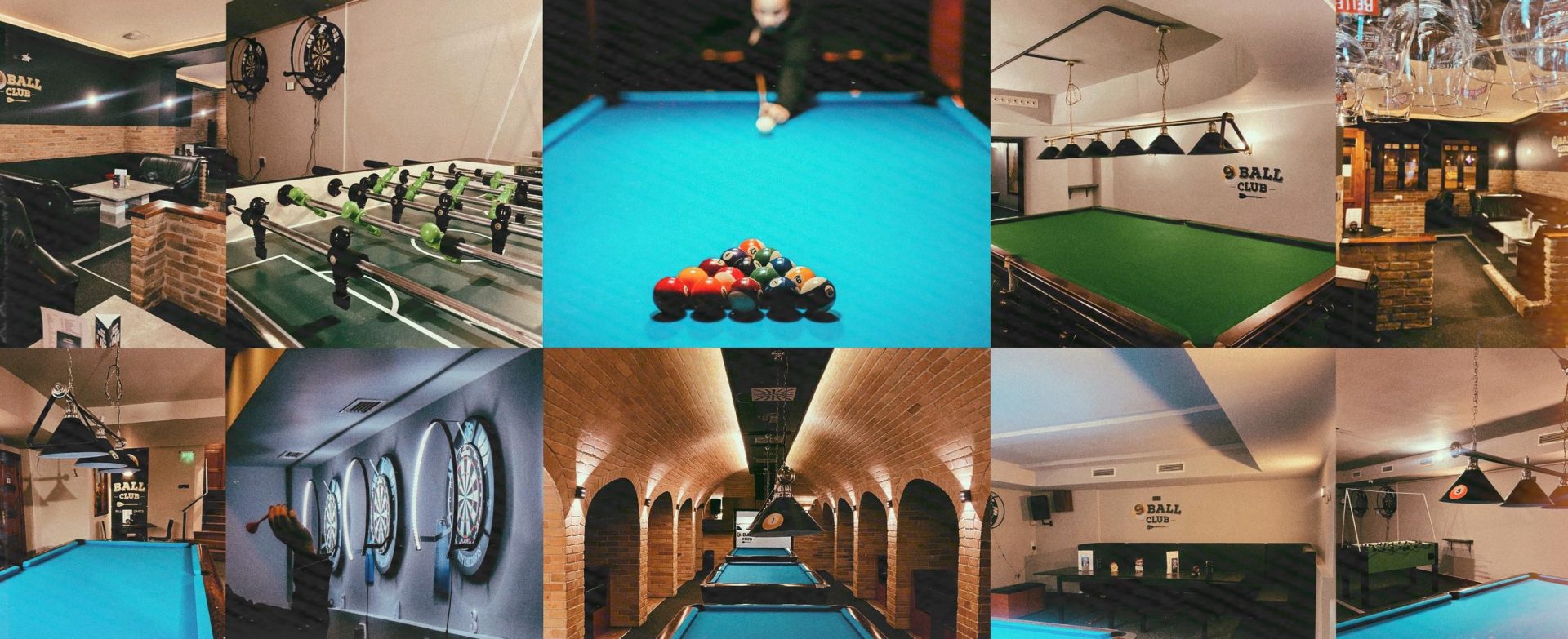
9 Ball Club is a modern, cozy billiard club where sport, entertainment, and community come together. The club’s main focus is 9-ball pool, but fans of other game formats will…

After the Great Flood (1879) destroying the city, the people of Szeged made an oath to build a majestic catholic church.
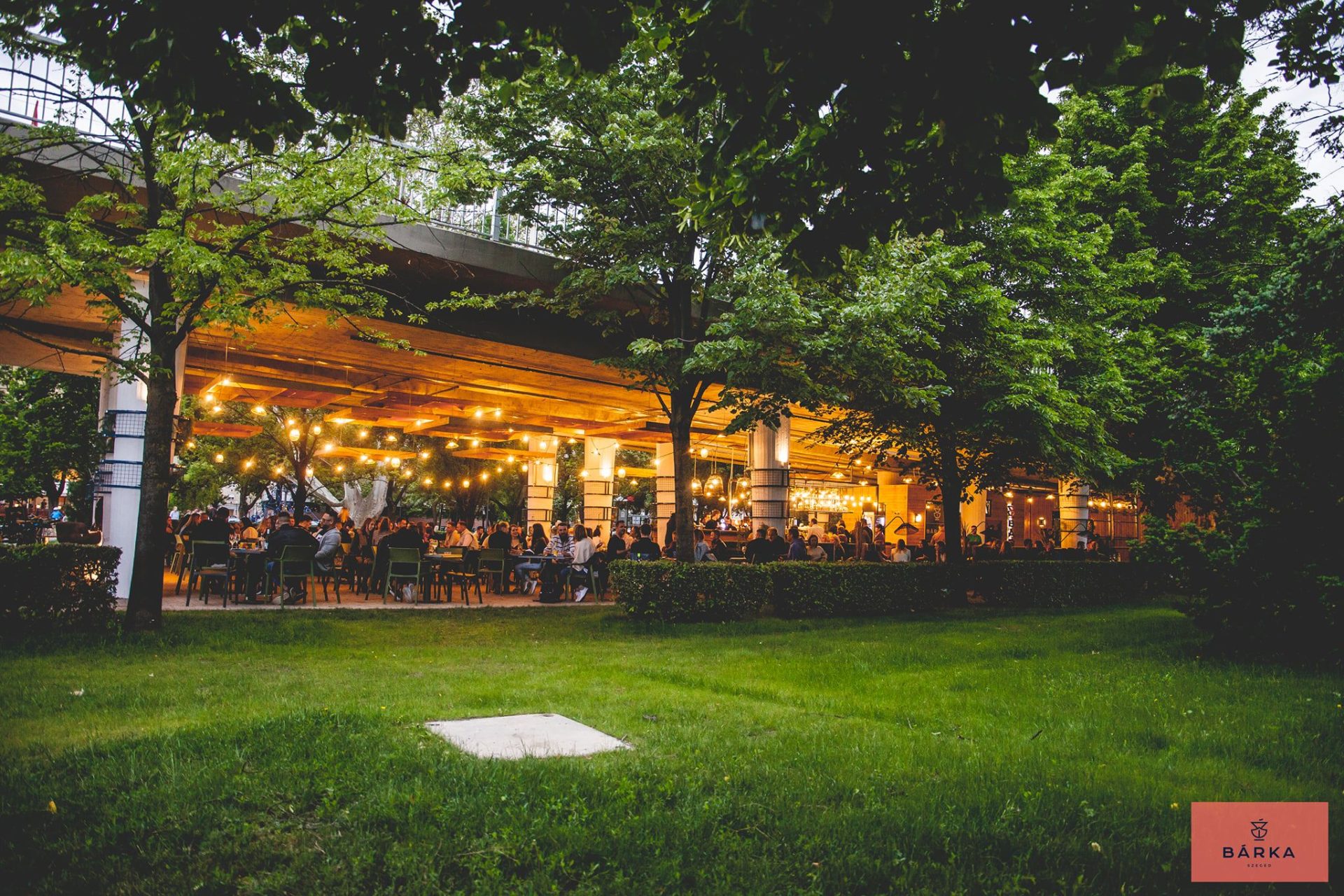
In the city center of Szeged, halfway between Roosevelt Square and the Móra Ferenc Museum, under the city center bridge, you will find a bar with a hot kitchen and a wide range of drinks.

Situated in Alsóváros, Szeged, the monastery and the church together form Hungary’s second largest church complex, keeping its original function.
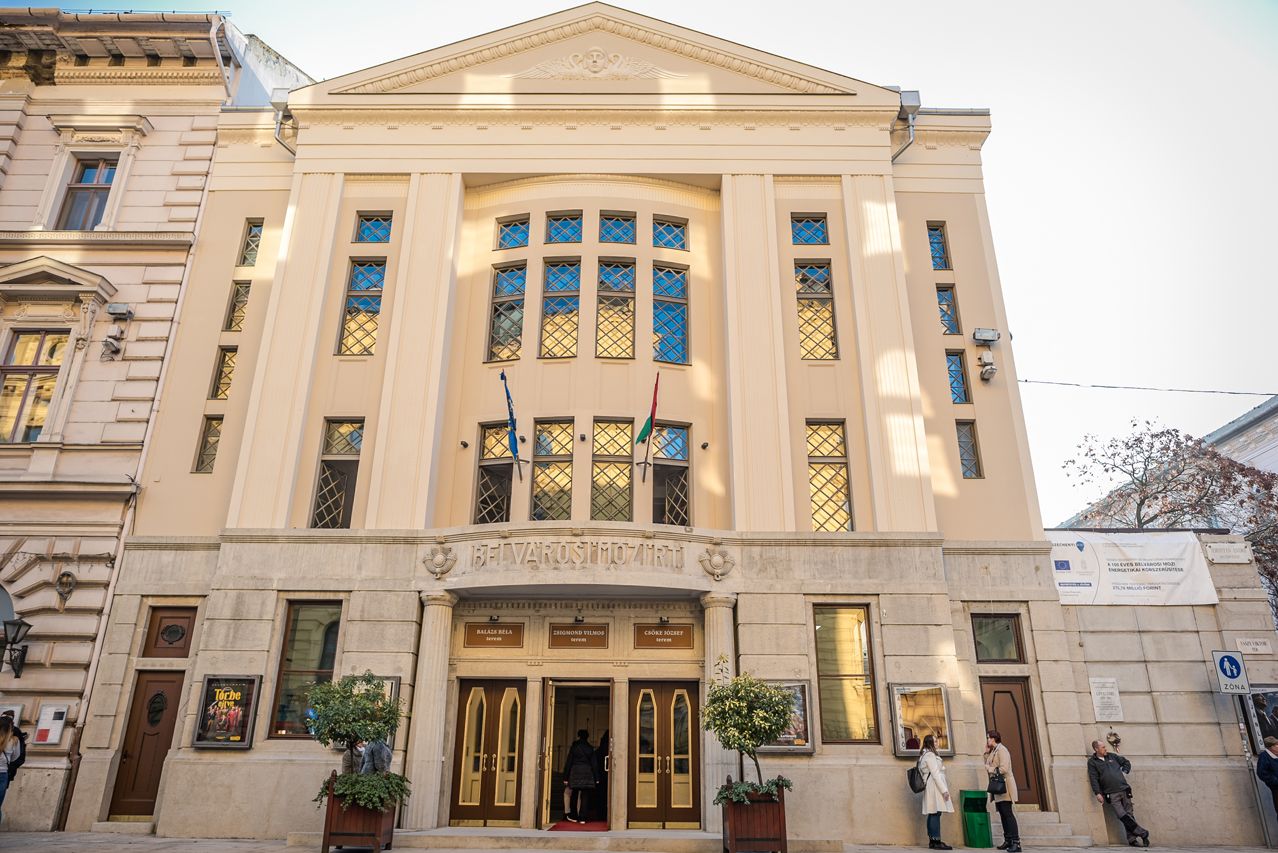
The Art Deco building of the Belvárosi Cinema was built in 1920 according to the plans of the architect Endre Sebestyén.
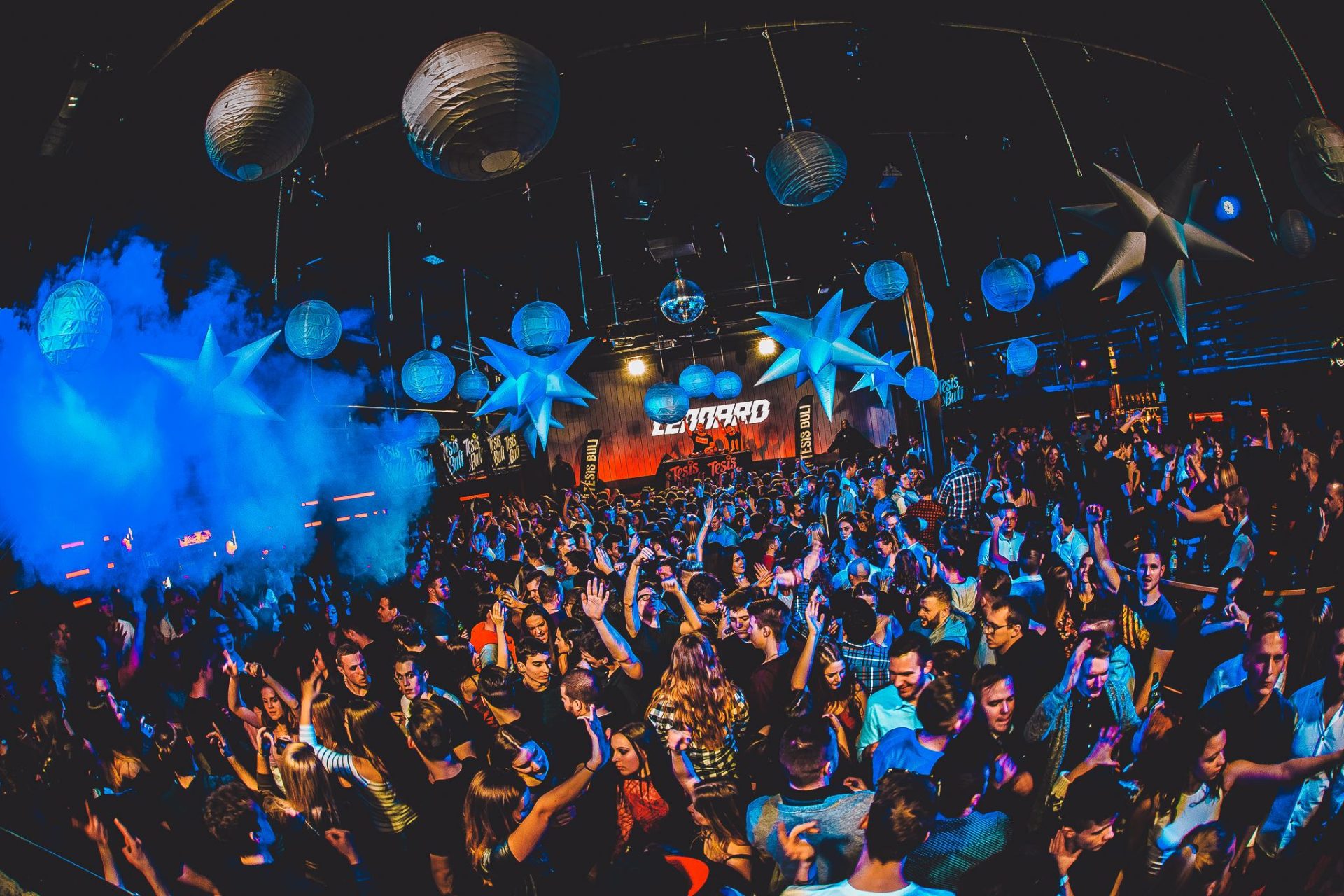
The Sing Sing Music Hall is a long-established club, entertainment venue, and disco located near Mars Square in Szeged. It has been operating for more than 30 years and remains…
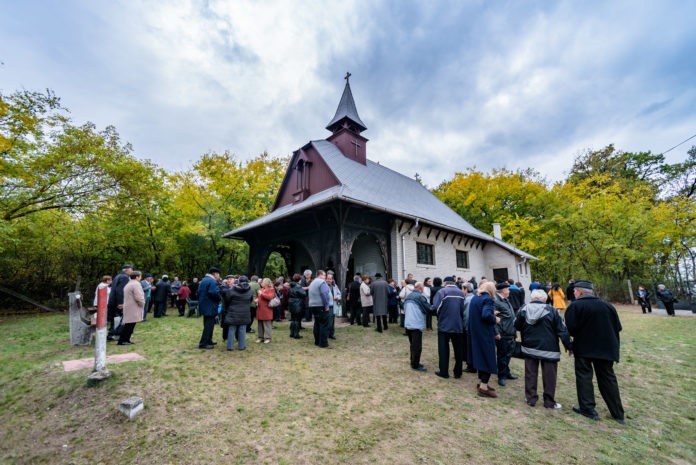
Ásotthalom is located 30 kilometers west of Szeged, close to the Hungarian–Serbian border. Since 2013, it has also functioned as a border crossing point. The surrounding area is known for…
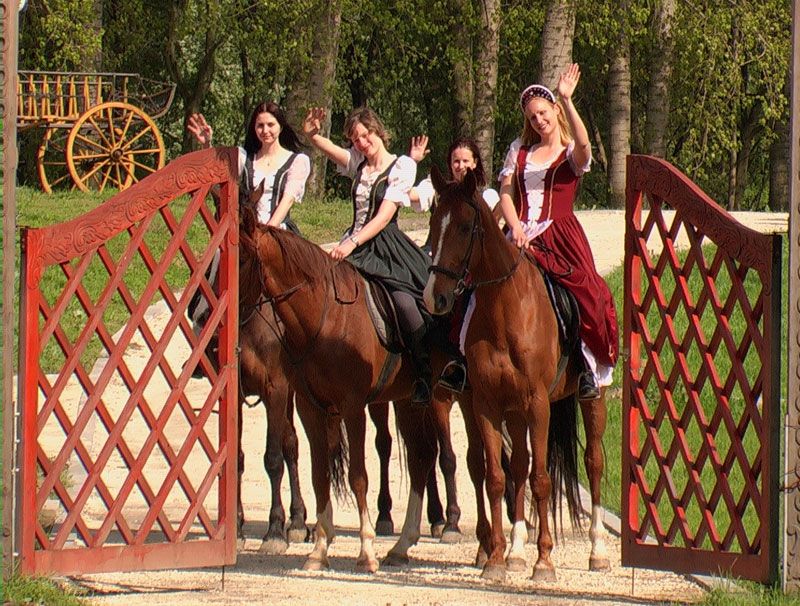
There are countless horse riding opportunities in the Szeged area, which you can view here.
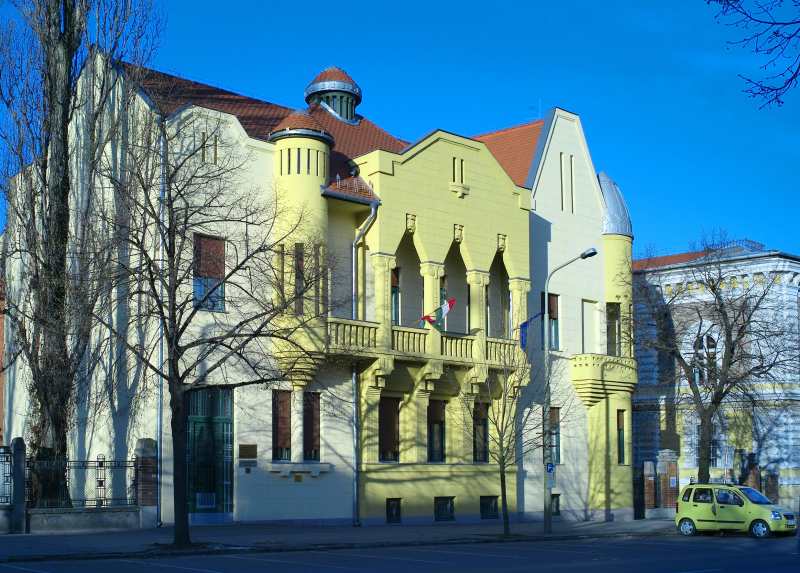
Owing to the playfulness, extravagant animation and asymmetry of the facade, this beautifully renovated building is a unique example of the geometric Art Nouveau.
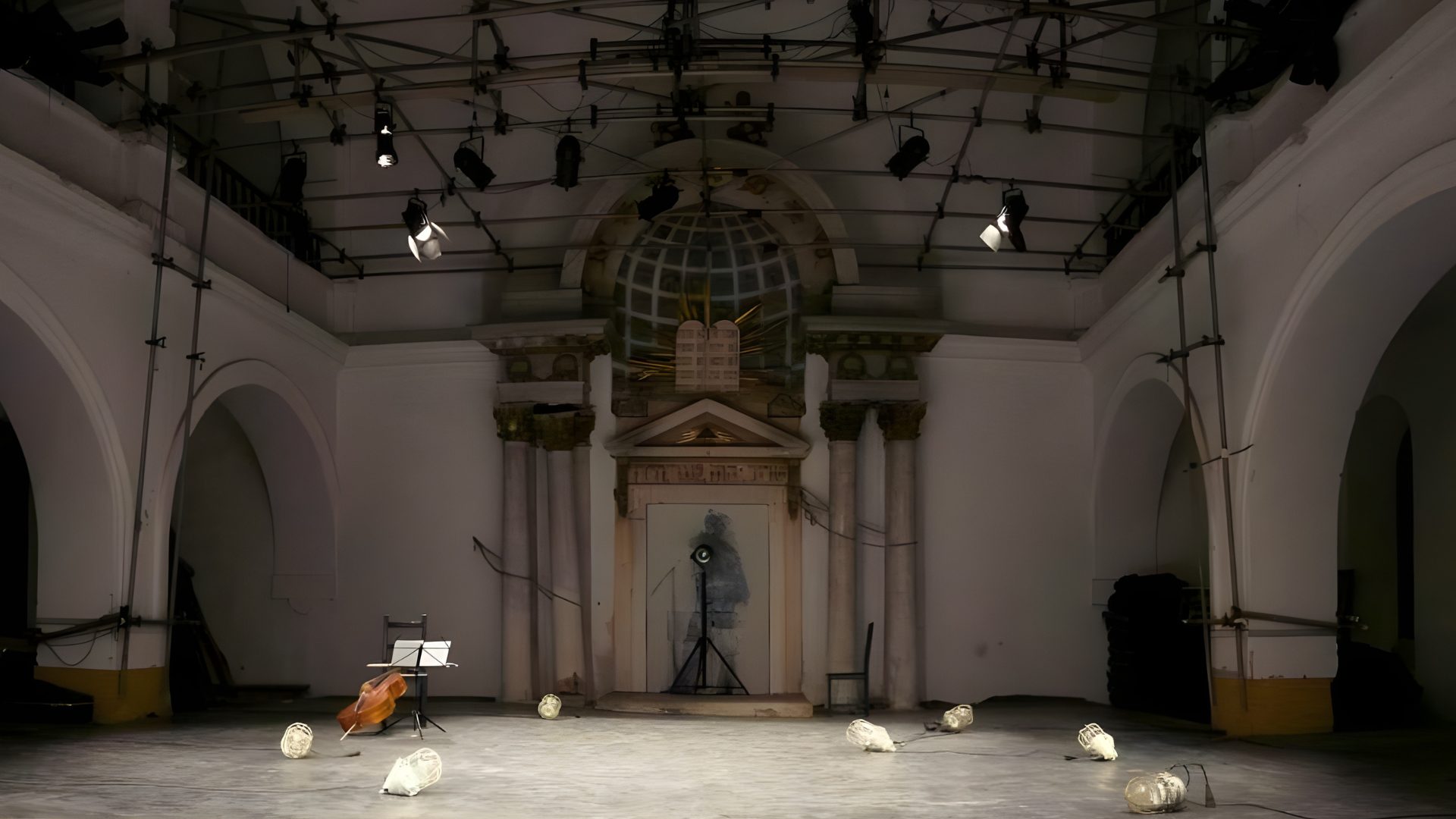
Information Postal address: 6701 Szeged, Pf. 905. Office: Megálló közösségi ház, 6723 Szeged, Budapesti krt. 23. HQ: 6723 Szeged, Kockaház utca 4. 2/6. ALTERRA (Régi Zsinagóga): 6722 Szeged, Hajnóczy u….

The dwelling house of two upper vocational school teachers on Lechner Square exemplifies excellently that the novel spirit of the Art Nouveau inspiringly influenced the attitude of the contemporary middle class.

The building standing at the corner of Somogyi and Kelemen Street is unique in its style, appearance and location.

The tower, which can hold 1004,8 m3of water, was designed by Szilárd Zielinski.
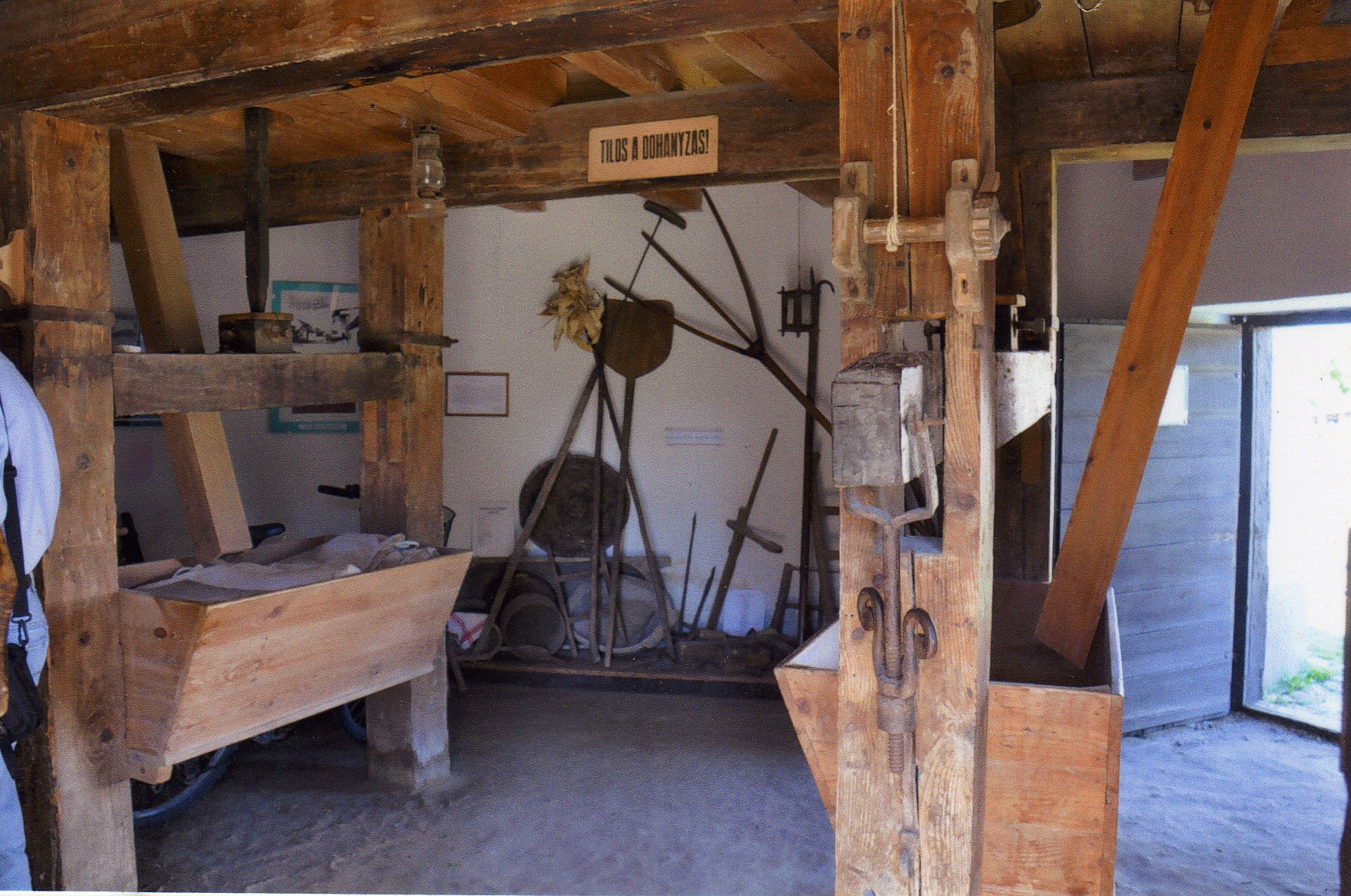
The settlement, developed from fishermen’s cottages, was first recorded in 1237 under the name Durusma.
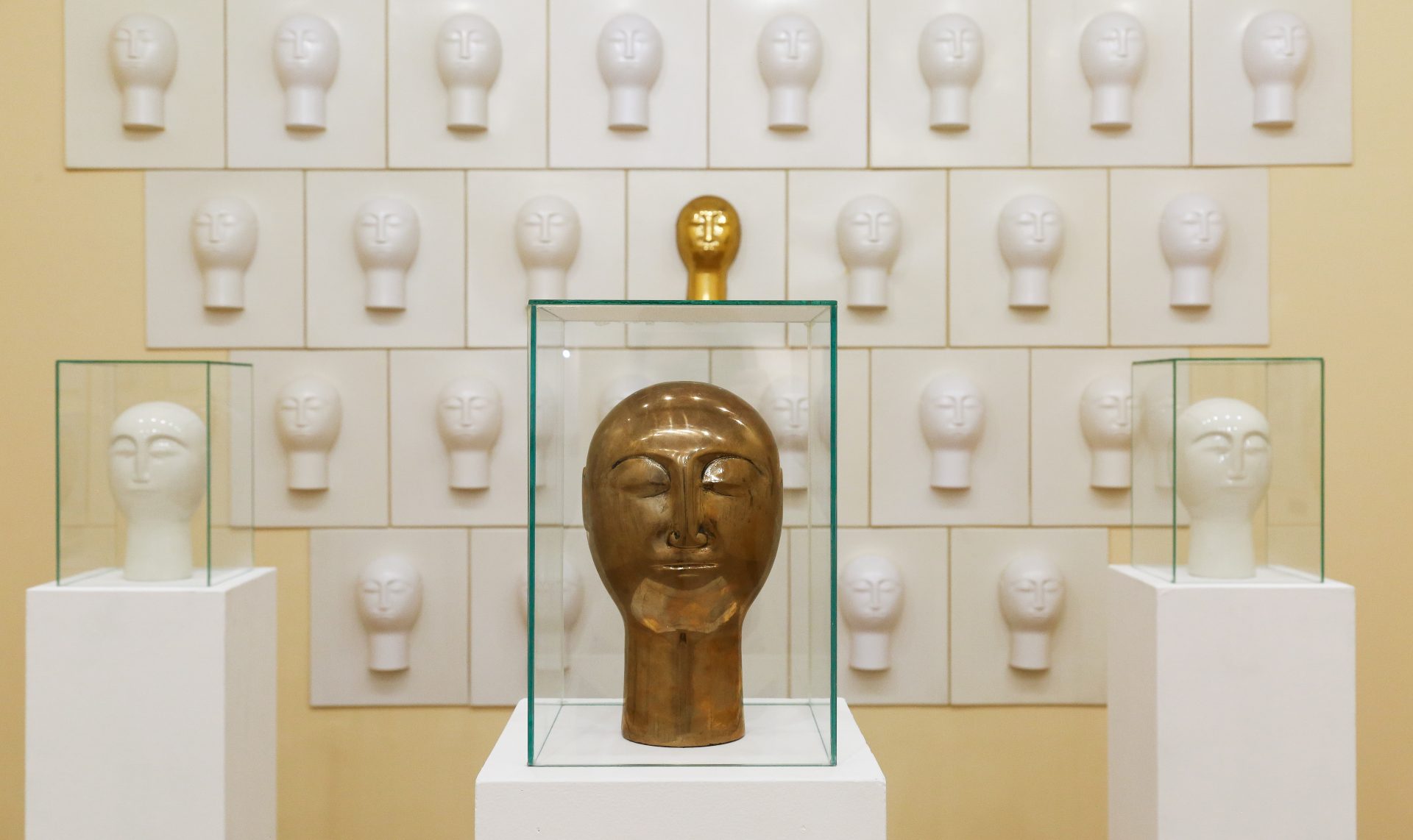
The exhibition space presents a selection of musically and literarily inspired graphic works by Kass János. Through the featured graphic series, visitors gain insight into the artist’s distinctive intellectual and…
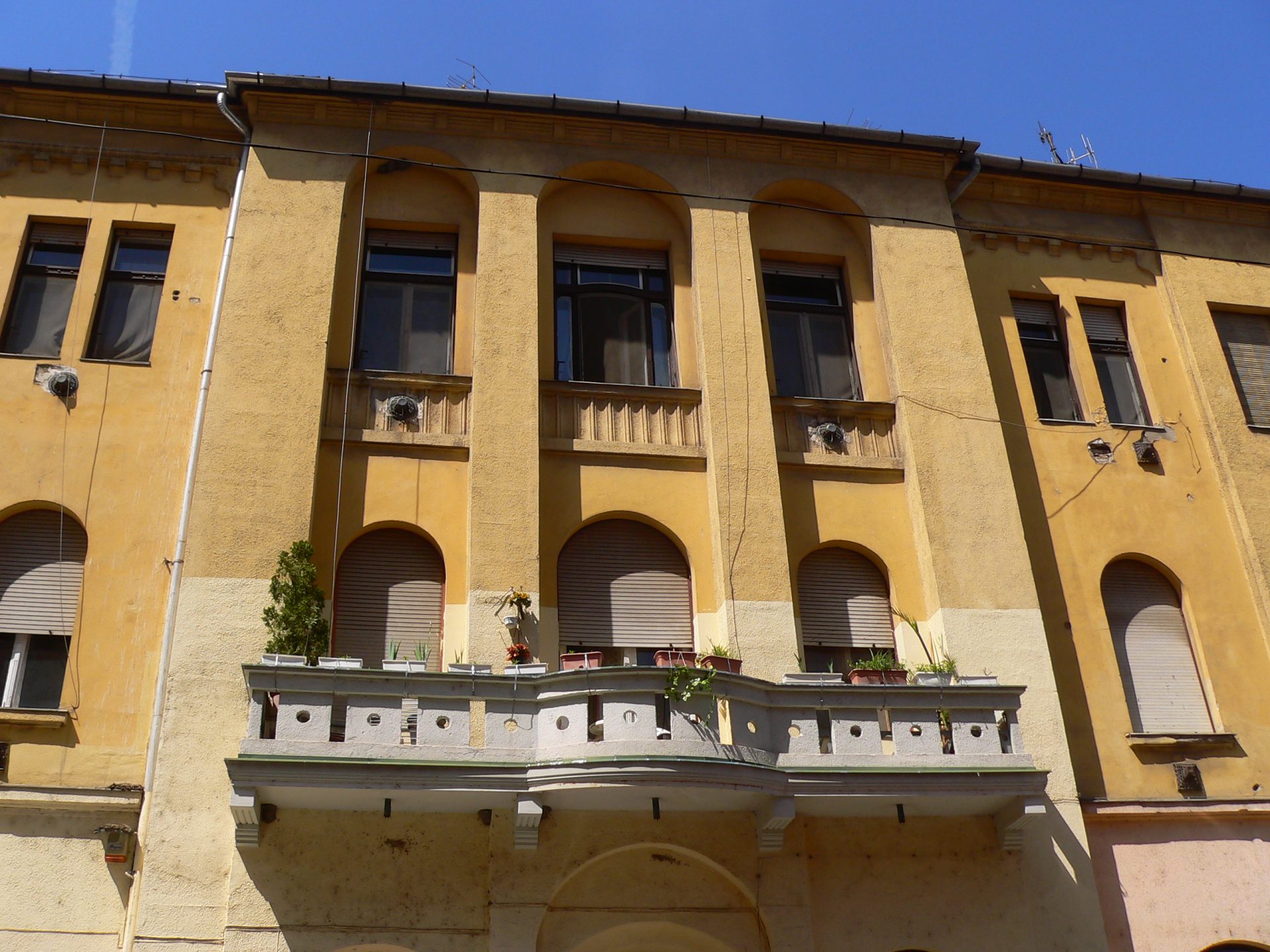
The current sight of the Schäffer Palace confronts us indeed with how much Szeged’s cityscape lost when in the 1920s, the house owners, complaining about the costly maintenance, almost totally…
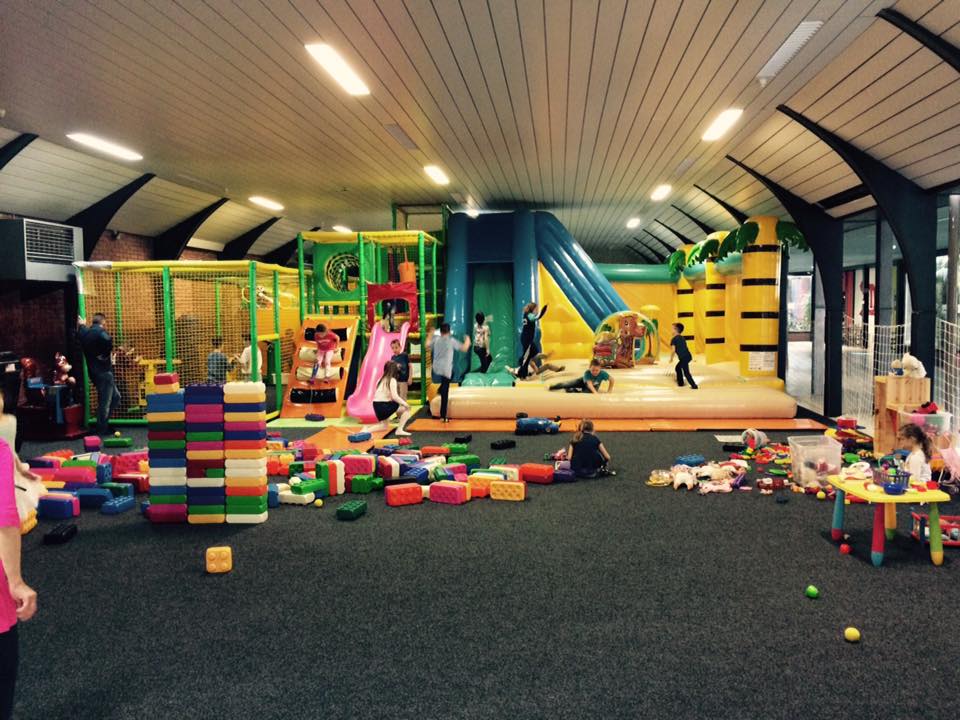
Játékdzsungel JátszóházOur renovated Playhouse offers new services for children.Among other things, we have a giant slide, a mini football pitch and a new playground.You can book your birthday party now.Space…
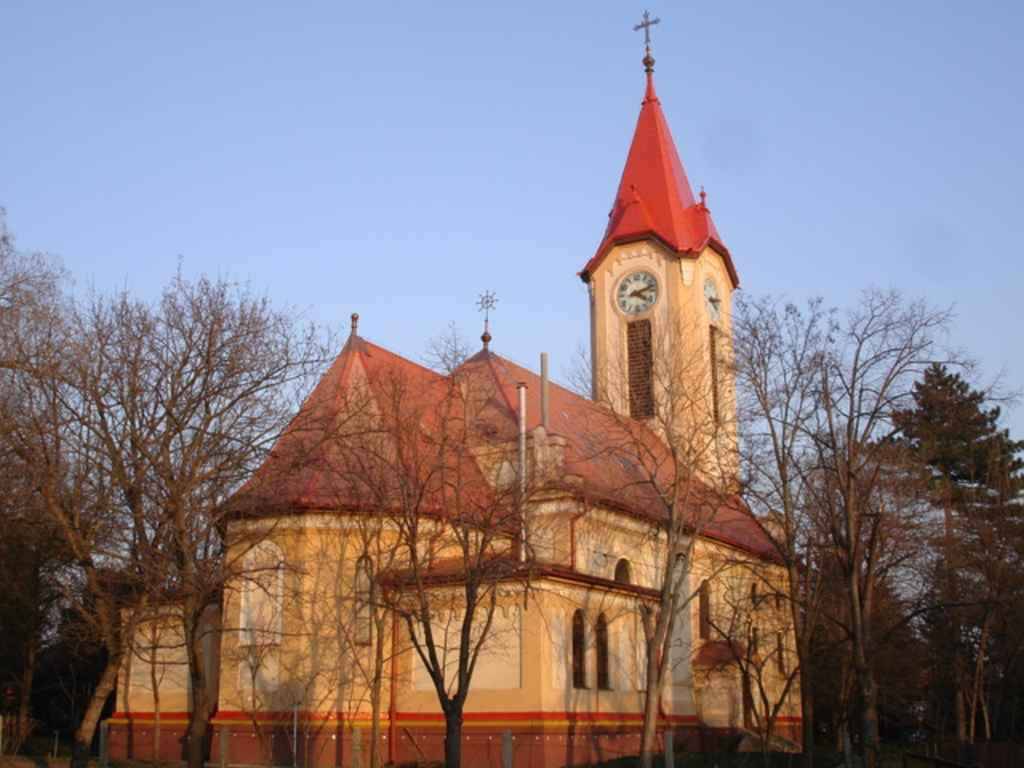
Röszke is located 15 kms southwest of Szeged, between the backwater of Tisza at Algyő and the Serbian border.

Covering an area of 14 m2 it is the largest alkali lake in Hungary. In the first third of the 20th century it was turned into a system of fish ponds.
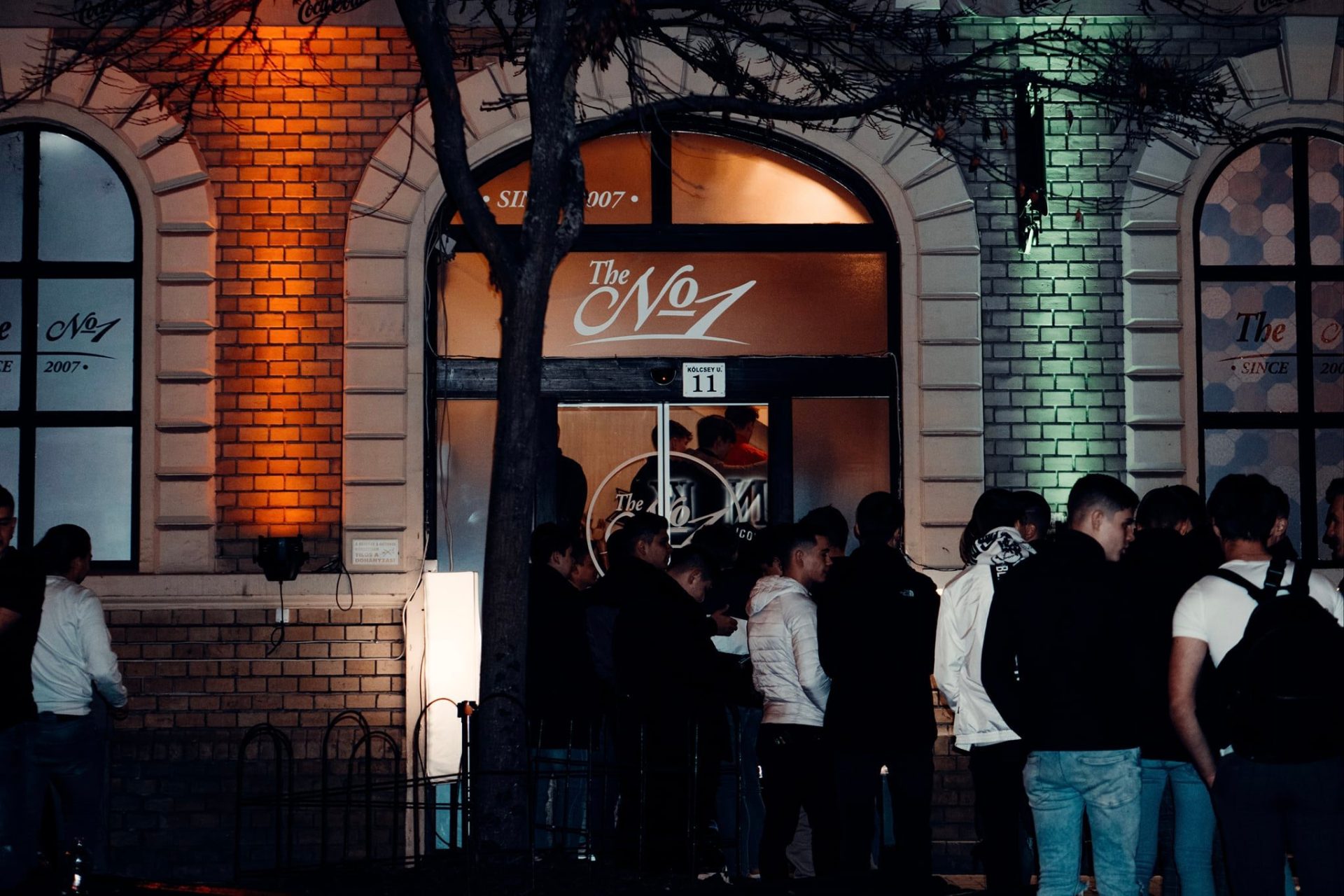
Szeged’s constantly buzzing entertainment venue since 2007.
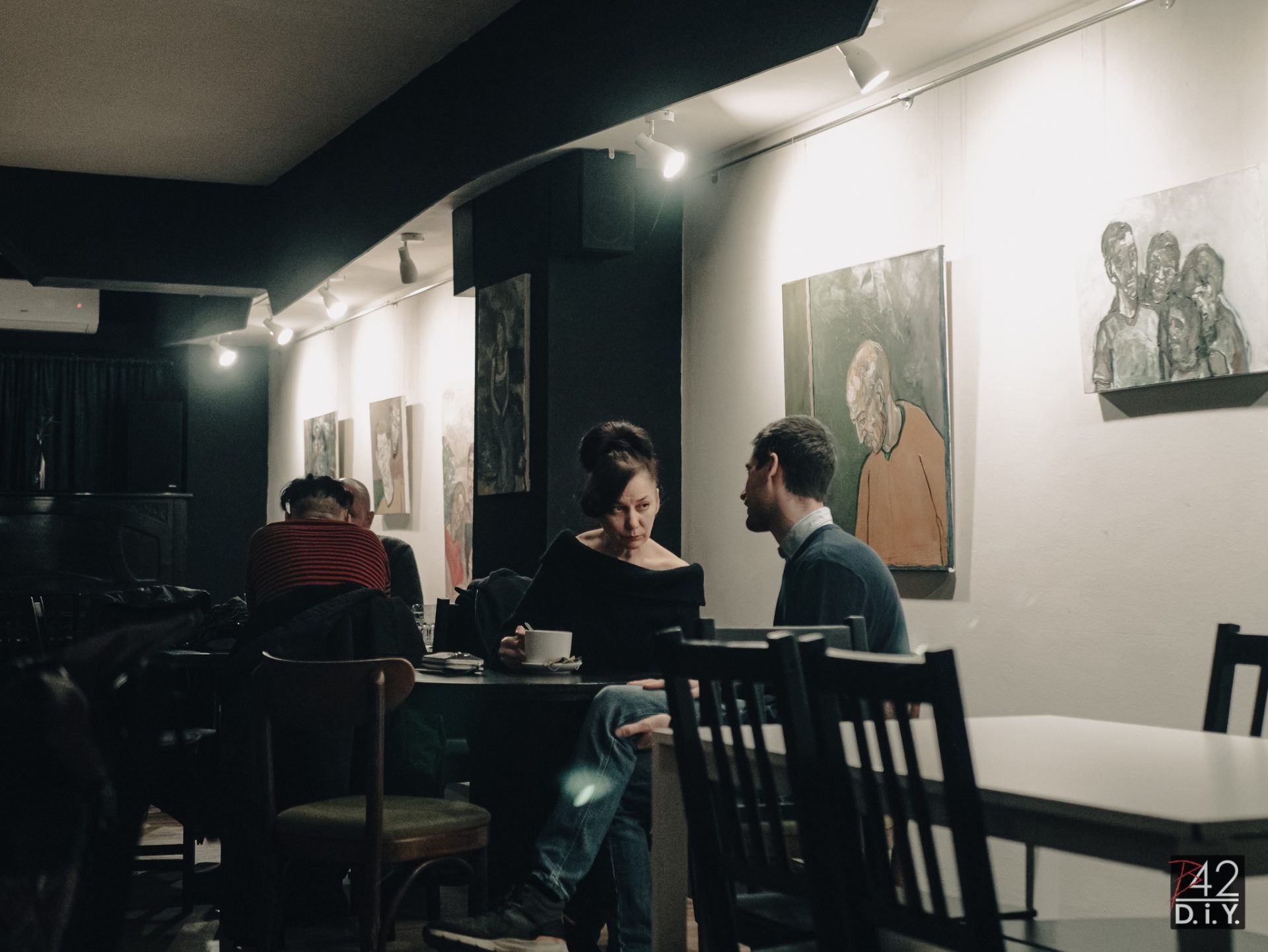
The Grand Café is not only a cinema, but also a café, as the name suggests, where you can always drink a delicious coffee, beer or wine before or after the cinema or – horribile dictu – instead.
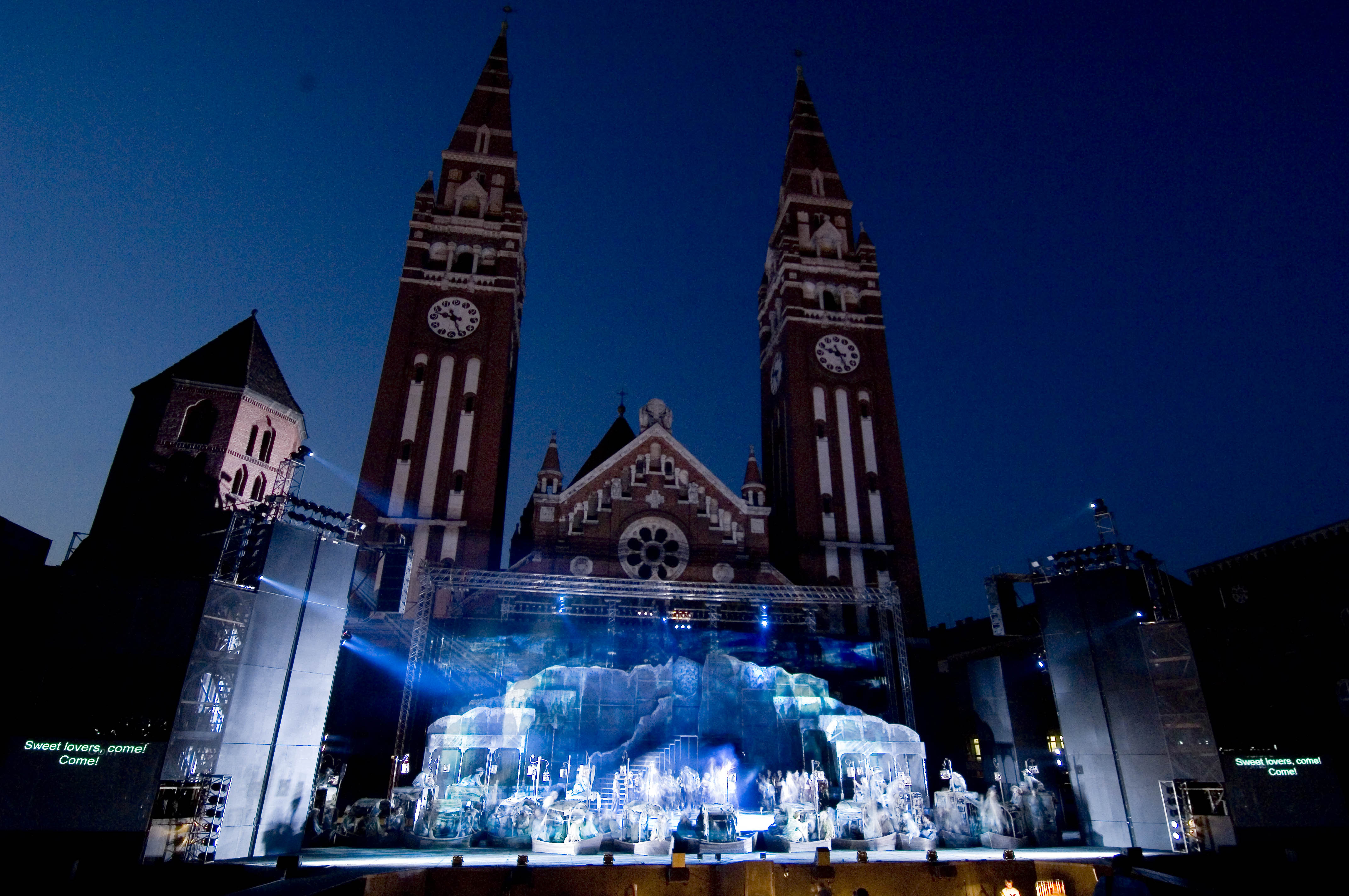
The idea was first proposed in 1926 by Gyula Juhász, a poet then living in Szeged. A number of renowned representatives of cultural and political life adopted the idea. The…
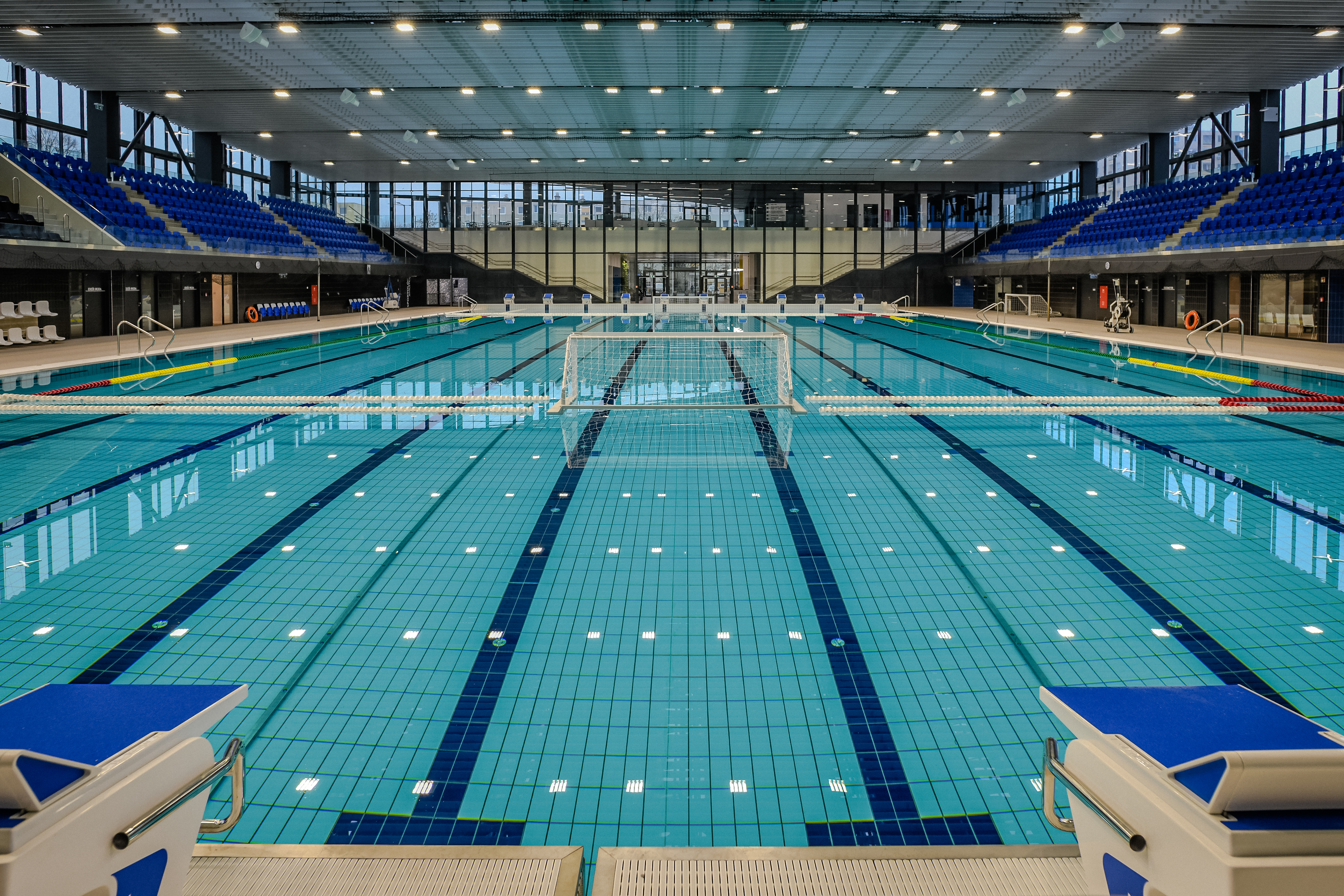
Szeged’s newest swimming complex, the Tiszavirág Sports Swimming Pool, is a covered, fully accessible facility that welcomes sports enthusiasts all year round.With its 50-metre competition pool, training pool, warm-up pool,…
Get to know the kurgans, the – literally – outstanding values of the Great Plain landscape!
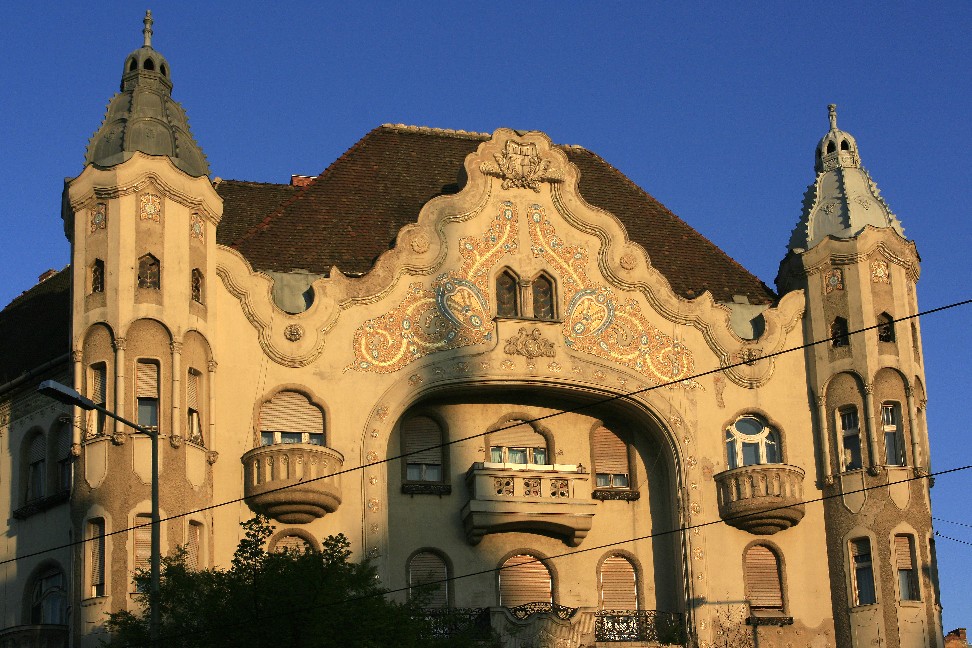
It is a determinant building on Tisza Lajos Boulevard being the biggest protected monument built in secession style in Szeged.

Szeged’s popular riverside beach can be found in Újszeged, 10-minute walk from the city center.
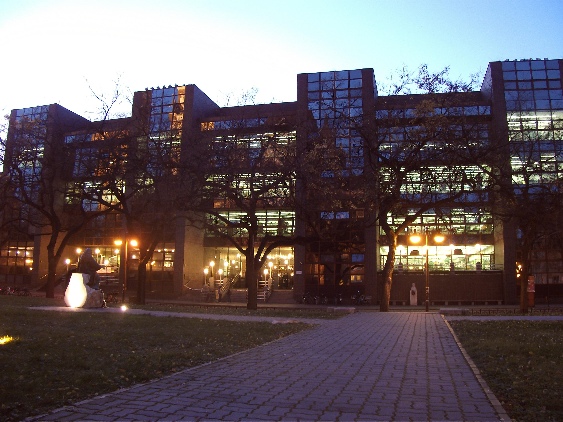
In the 130 years since its founding, the library’s collection has grown significantly, exceeding one million documents.
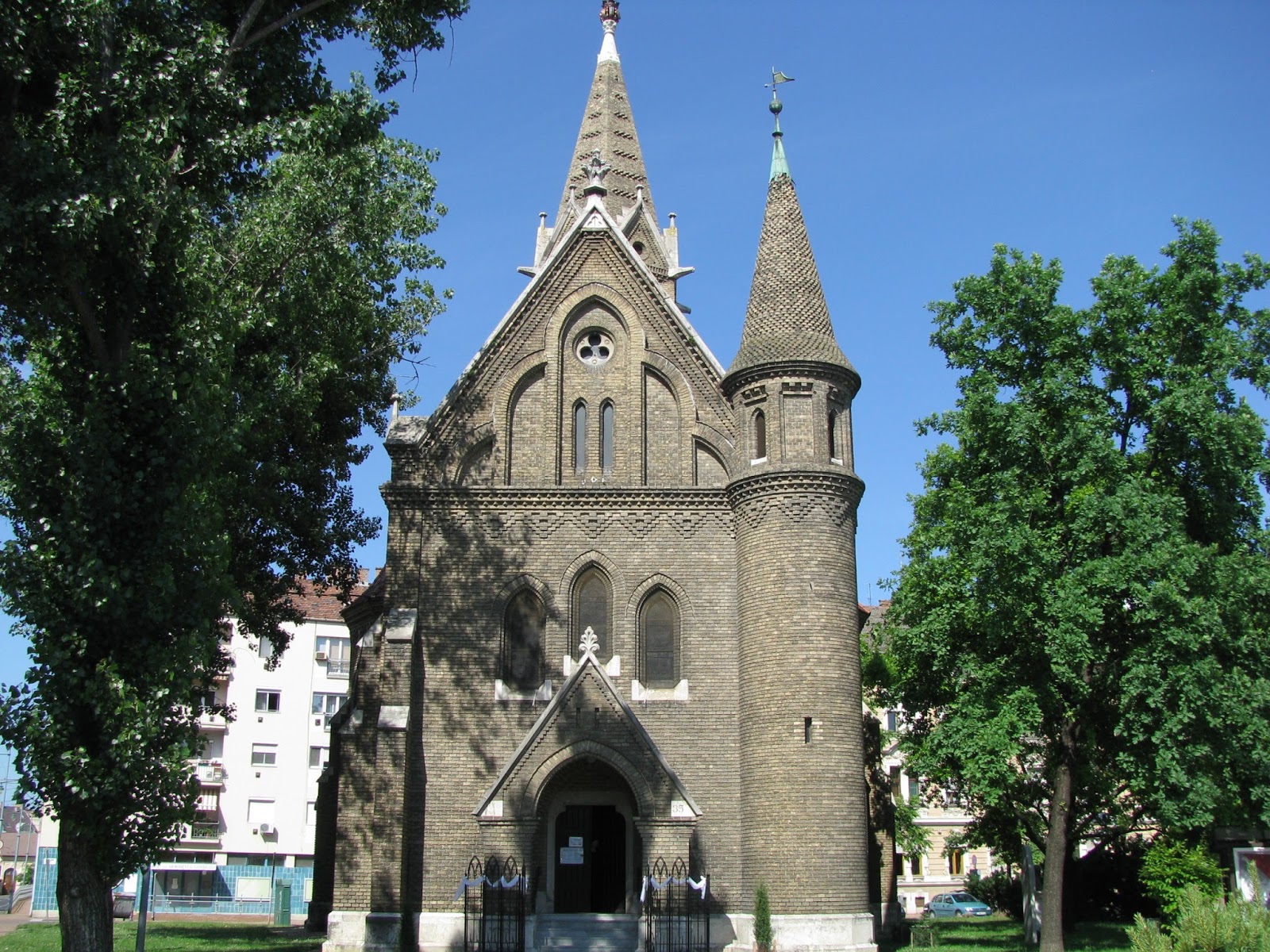
The building designed by Frigyes Schulek, completed in 1884, is also called the ‘Cockerel church’ owing to the figure decorating its tower.
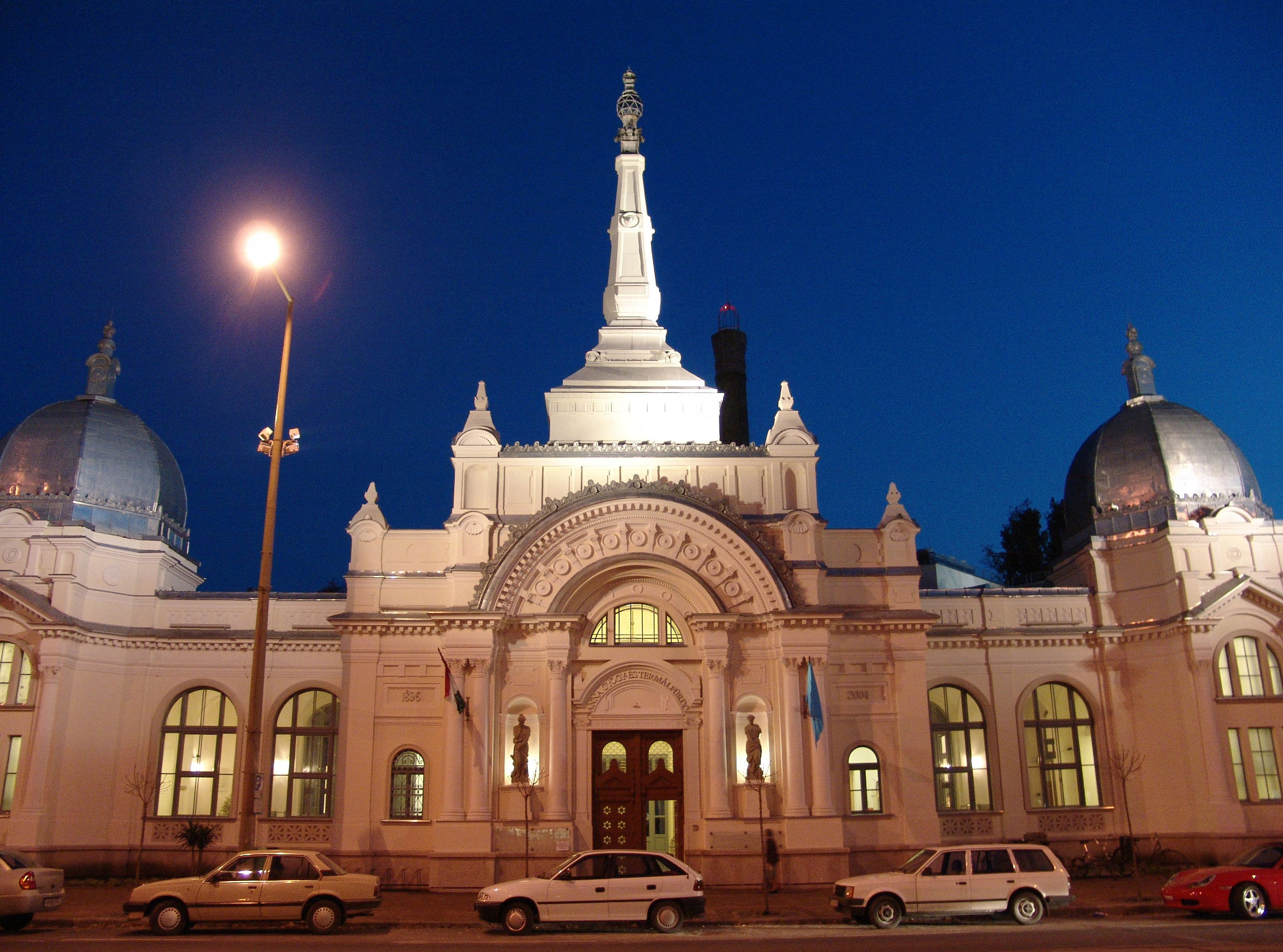
The white-walled eclectic style building in Tisza Lajos Boulevard, reflecting Oriental effects, designed by Antal Steinhardt and Adolf Lang, was built in 1896. Originally it functioned as a city public bath. It took its name from the nearby artesian well drilled in 1927 and its water.
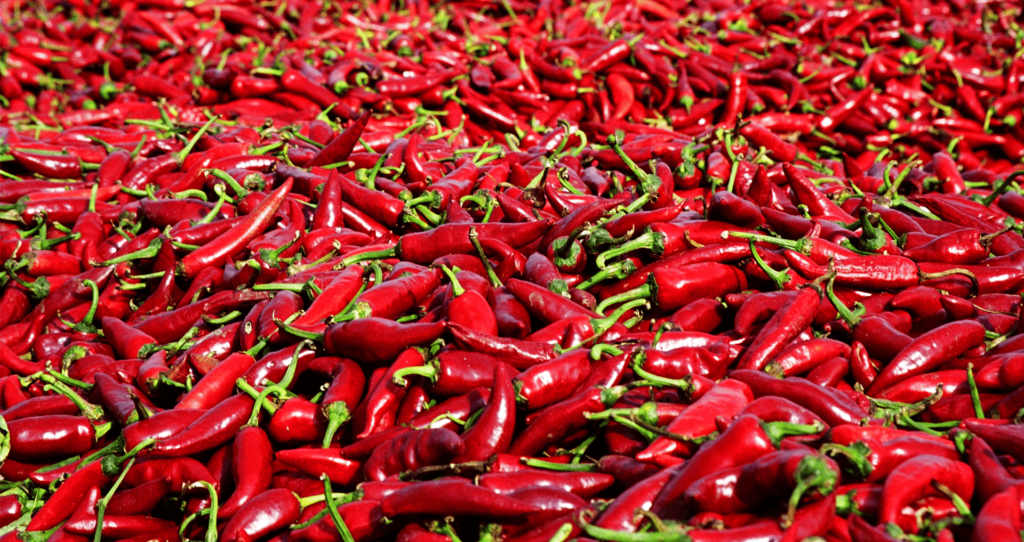
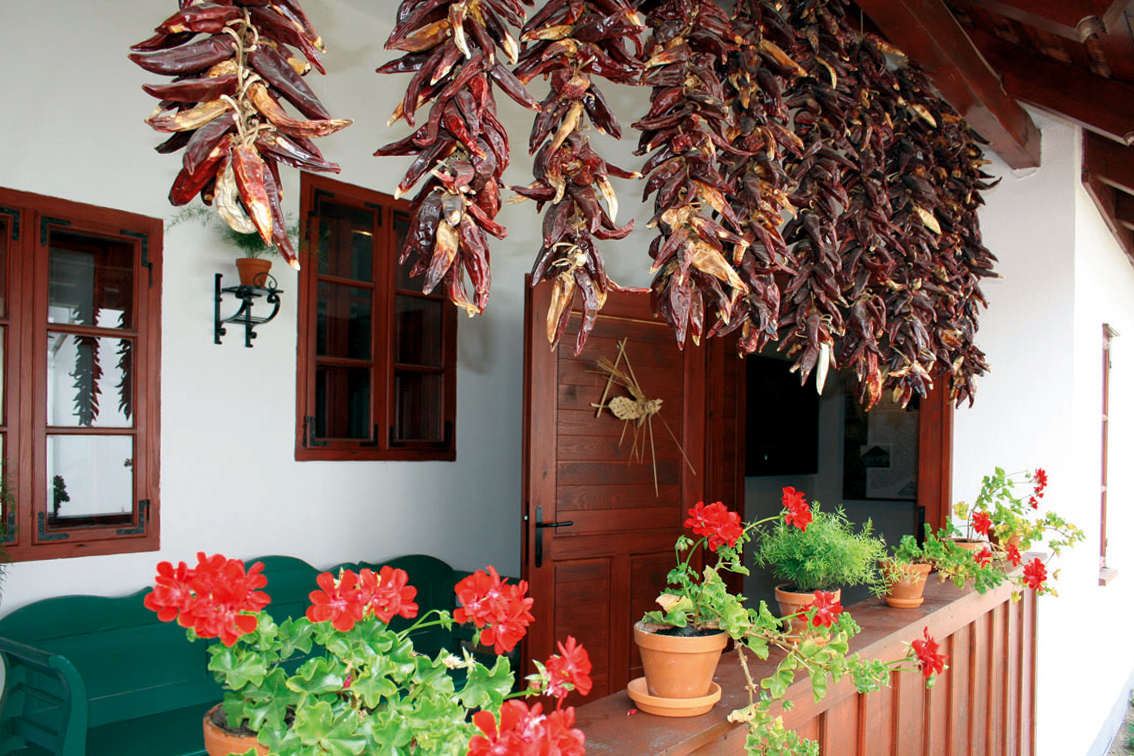
Did you know that the Indians used hot peppers as tear gas and as a form of punishment? the word paprika originated in the Szeged area and is known all…

The present City Hall is the third building in the same place with the same function. The first building of a modest design was raised in 1728. It was followed by the second one with the same area as the present hall, designed by István Vedres at the turn of the 18th and 19th centuries.
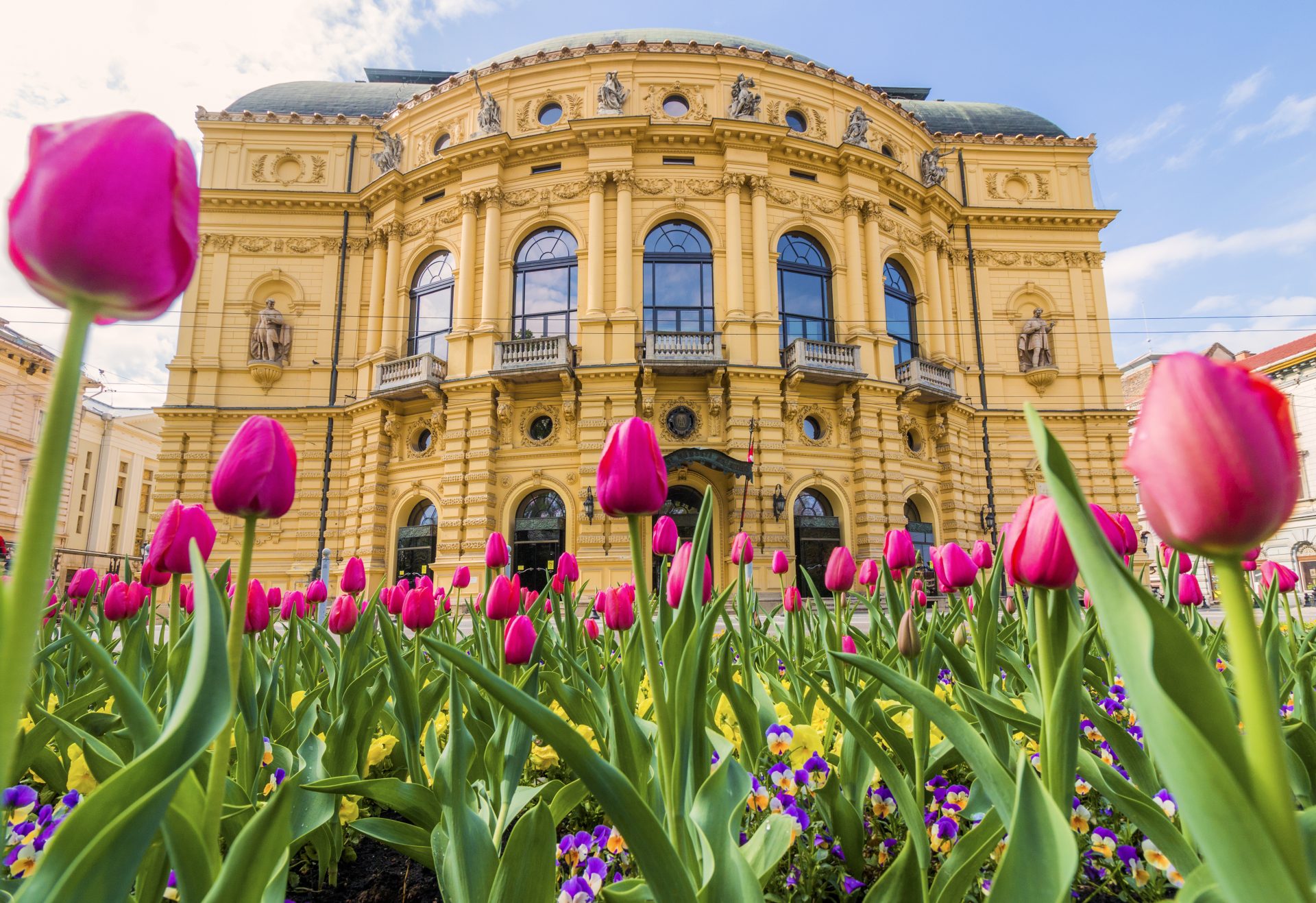
The theatre opened in 1883 is one of the most beautiful eclectic neo-baroque buildings of the town rebuilt from its ruins
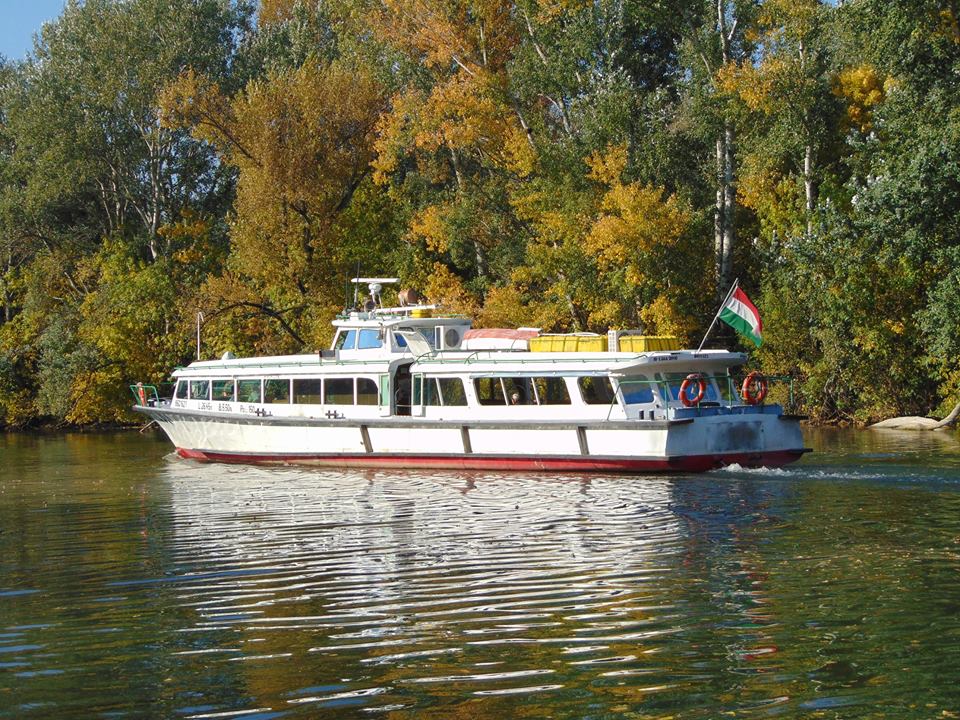
During the sightseeing cruise we can get a unique view of Szeged, as well as the mouth of the Maros.
The Szeged City Rock Club has been the cradle of rock music in Szeged since 1980. Over nearly half a century, it has hosted thousands of concerts, welcomed thousands of…
The God’s Eye motive of the main altar in the Alsóvárosi Church (Lower Town Church), the radial lines, became recognizable ornaments of the houses in lower town.
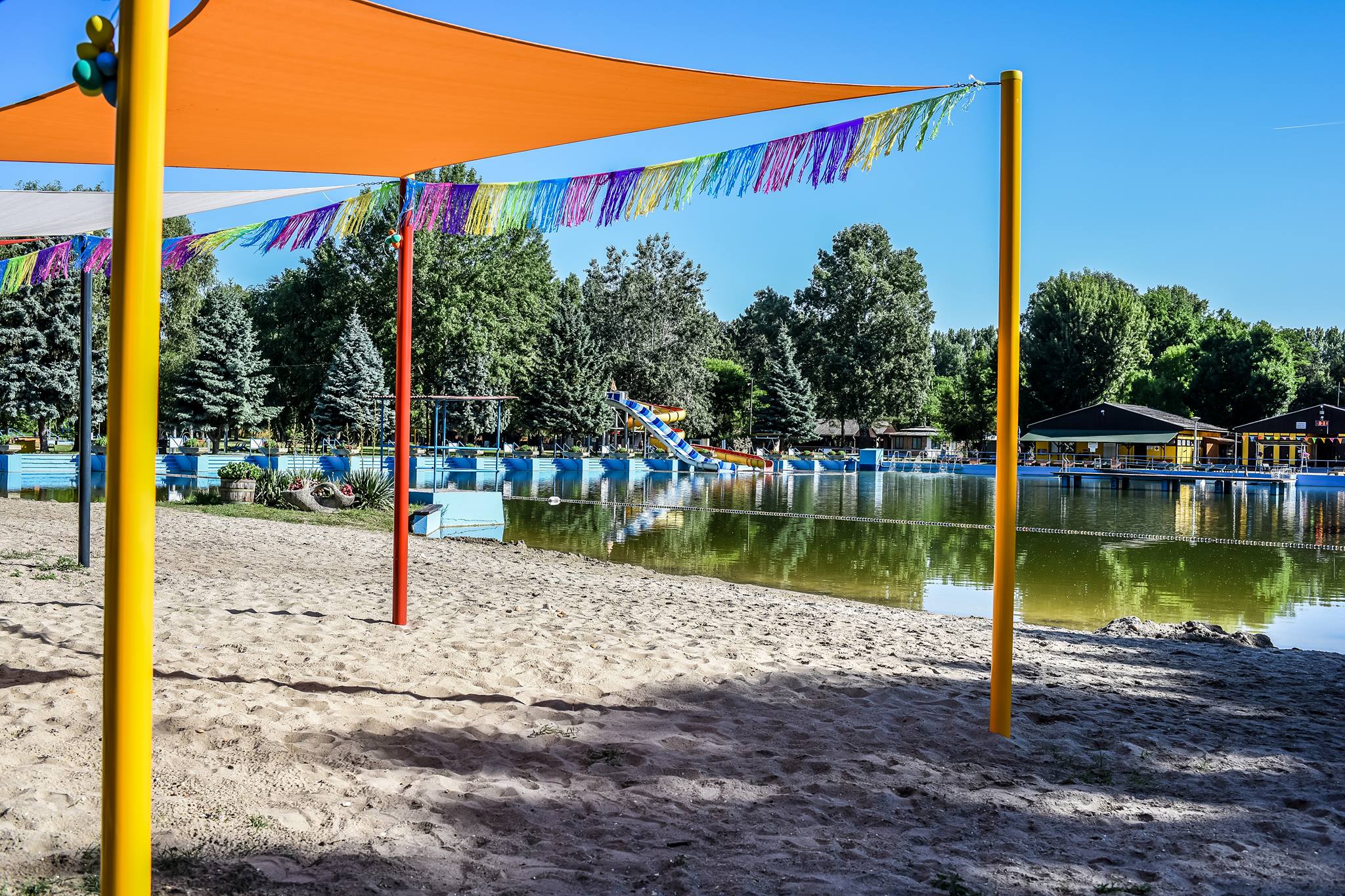
There is a campsite for 700 people in the common area with a beach bath, with suitable service facilities for those arriving by tent and caravan.
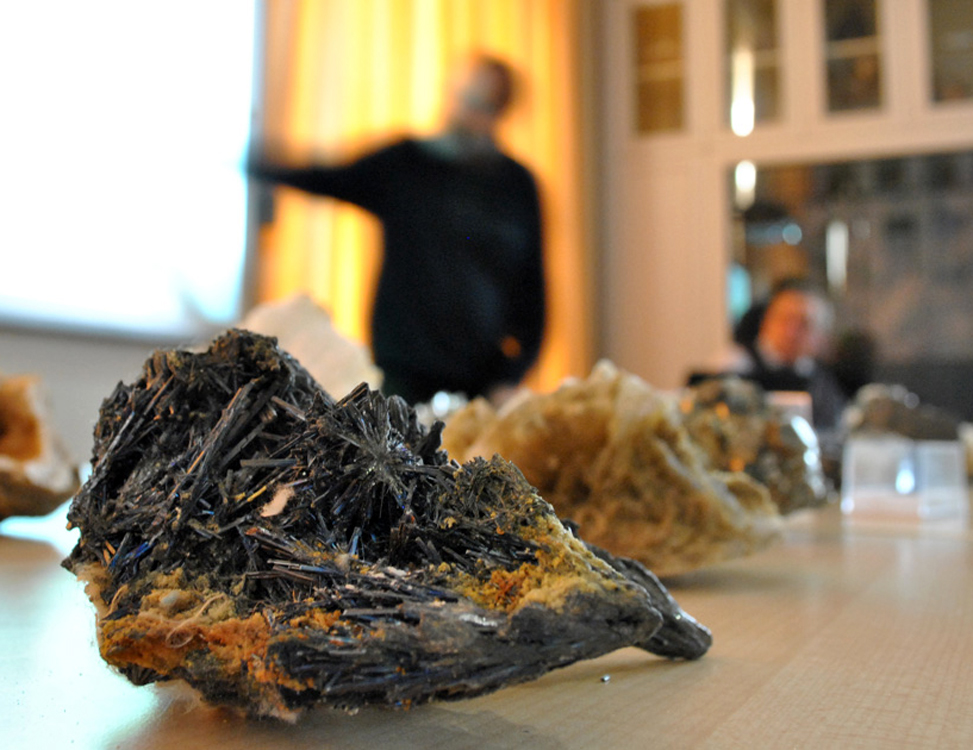
The collection, devoted to the passionate mineralogical researcher and professor Sándor Koch, former head of the Institute of Mineralogy and Petrology at the University of Szeged, consists of two main…
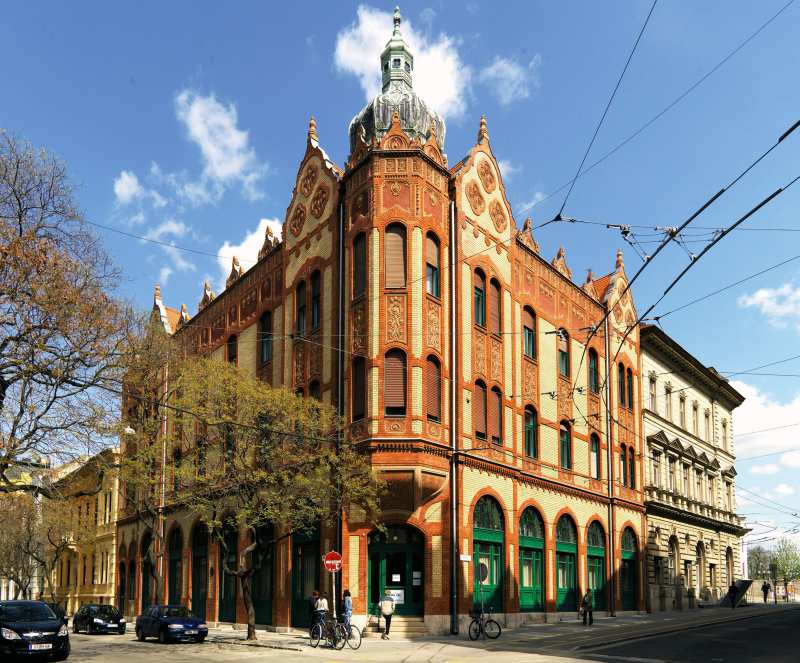
The Beregi House is one of the gems in the splendid row of palaces of the Szeged’s cityscape, which primarily is an extraordinary example of the brick architecture and Art Nouveau architectural school.
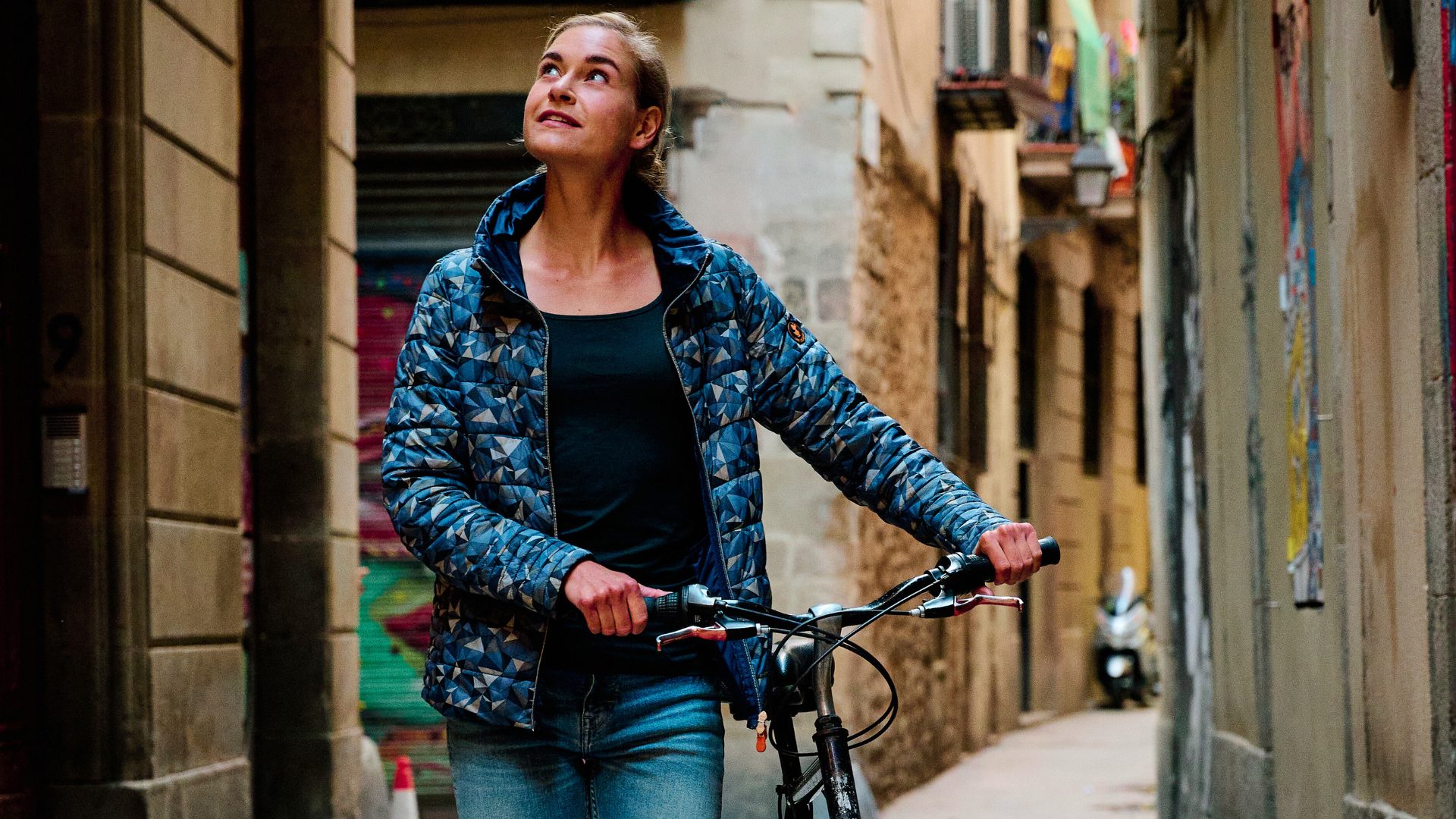
Rent a bike and explore the most beautiful parts of the city, or enjoy the beauty of the surrounding nature in the fresh air!

Haunted House Escape Room Szeged was established in early July, 2018. Devised by two very-best undergrad fellows, you can try a new generation escape room in Szeged. A goal was set, that we want everybody to leave with the widest smile they ever had, after successfully getting out of an abandoned house. Hope you will talk about this kind of journey years after too.
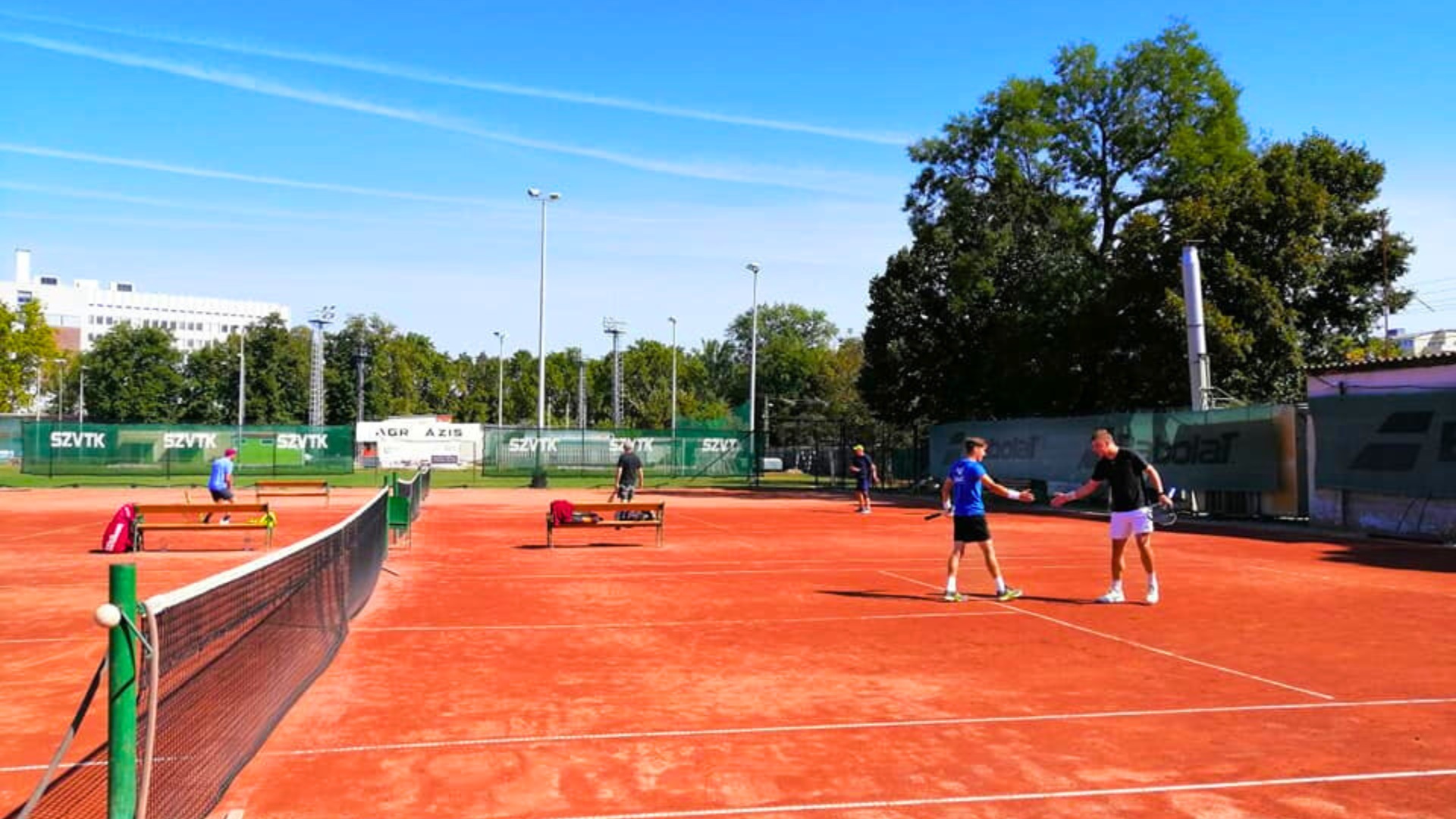
In Szeged, tennis and squash have a long-standing tradition at many venues.