Dorozsma Rural House
The sights of Szeged include the Dorozsmai Country House and the Farmer’s House. Szeged-Kiskundorozsma is a place where you can see the folk and the “bourgeois” material, intellectual culture of…



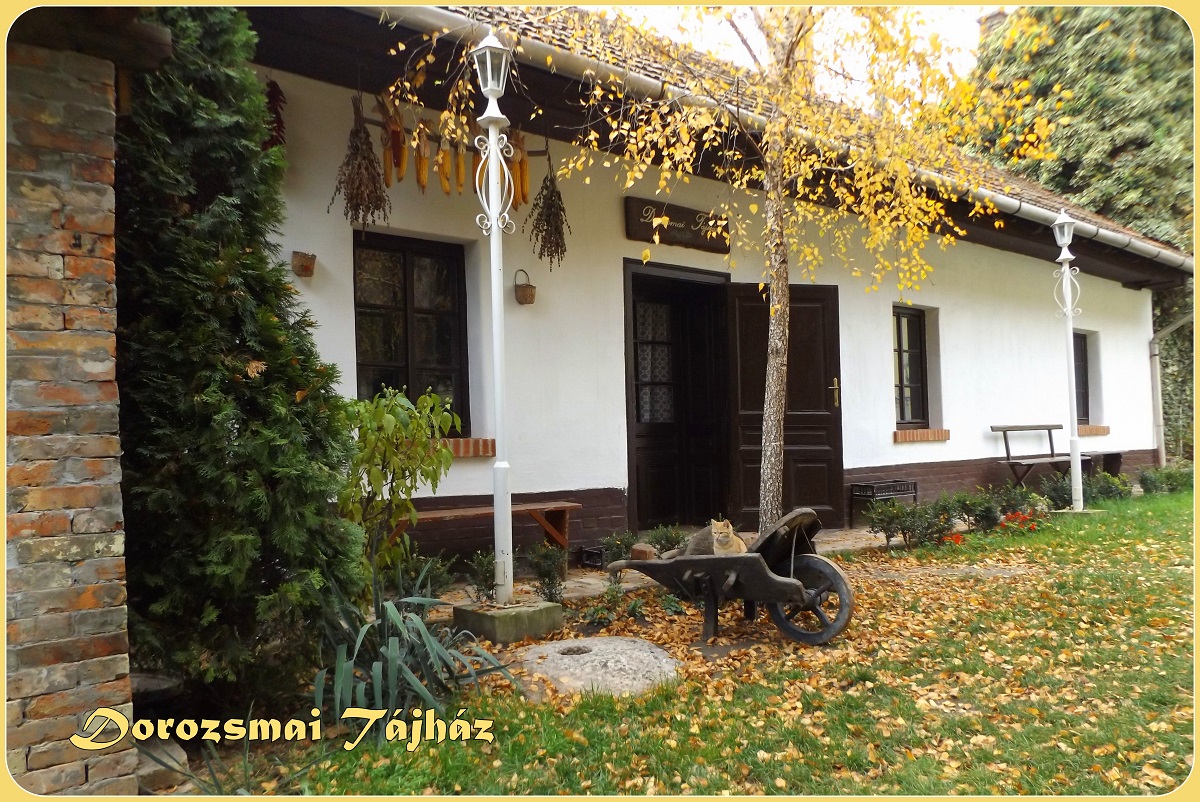
The sights of Szeged include the Dorozsmai Country House and the Farmer’s House. Szeged-Kiskundorozsma is a place where you can see the folk and the “bourgeois” material, intellectual culture of…
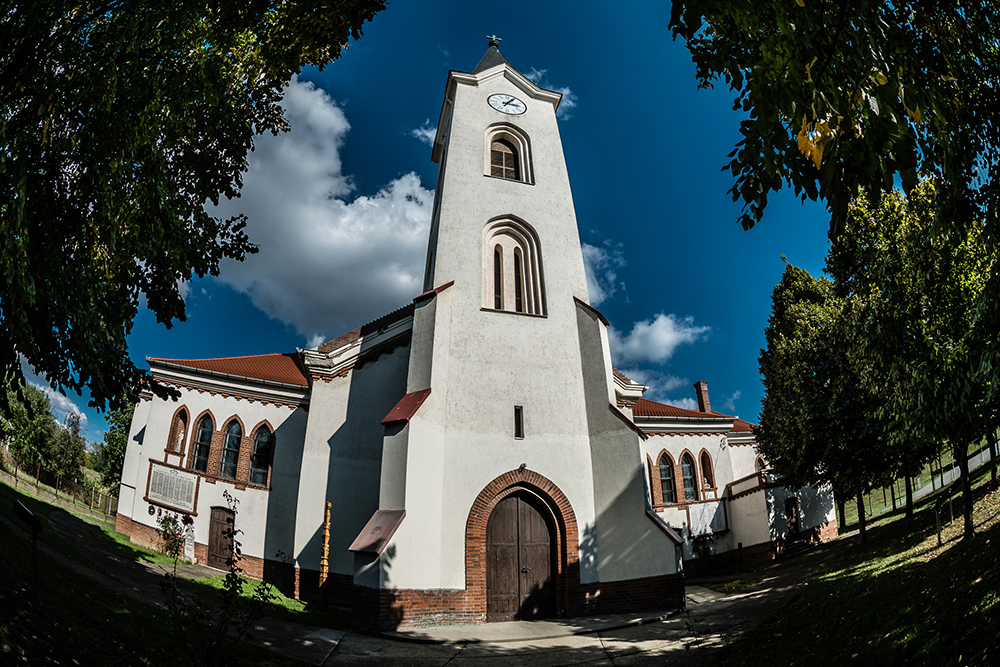
Algyő is a settlement in Csongrád-Csanád county, only 10km from Szeged, on the right bank of the Tisza. The national highway No. 47, which passes very close to Algyő, provides…

The centre was opened in December 2012 with the aims of presenting the research results of the region in a simple and understandable way and directing children’s attention to natural sciences.

The Hotel Crime is a new generation live logical game: it combines the brainstorming exercises of our popular escape rooms with the exciting investigation experiences of our crime games. With these elements we can offer a complex game full of twists. The program includes double thrills: to open all locks and to solve a smart and tricky crime story.
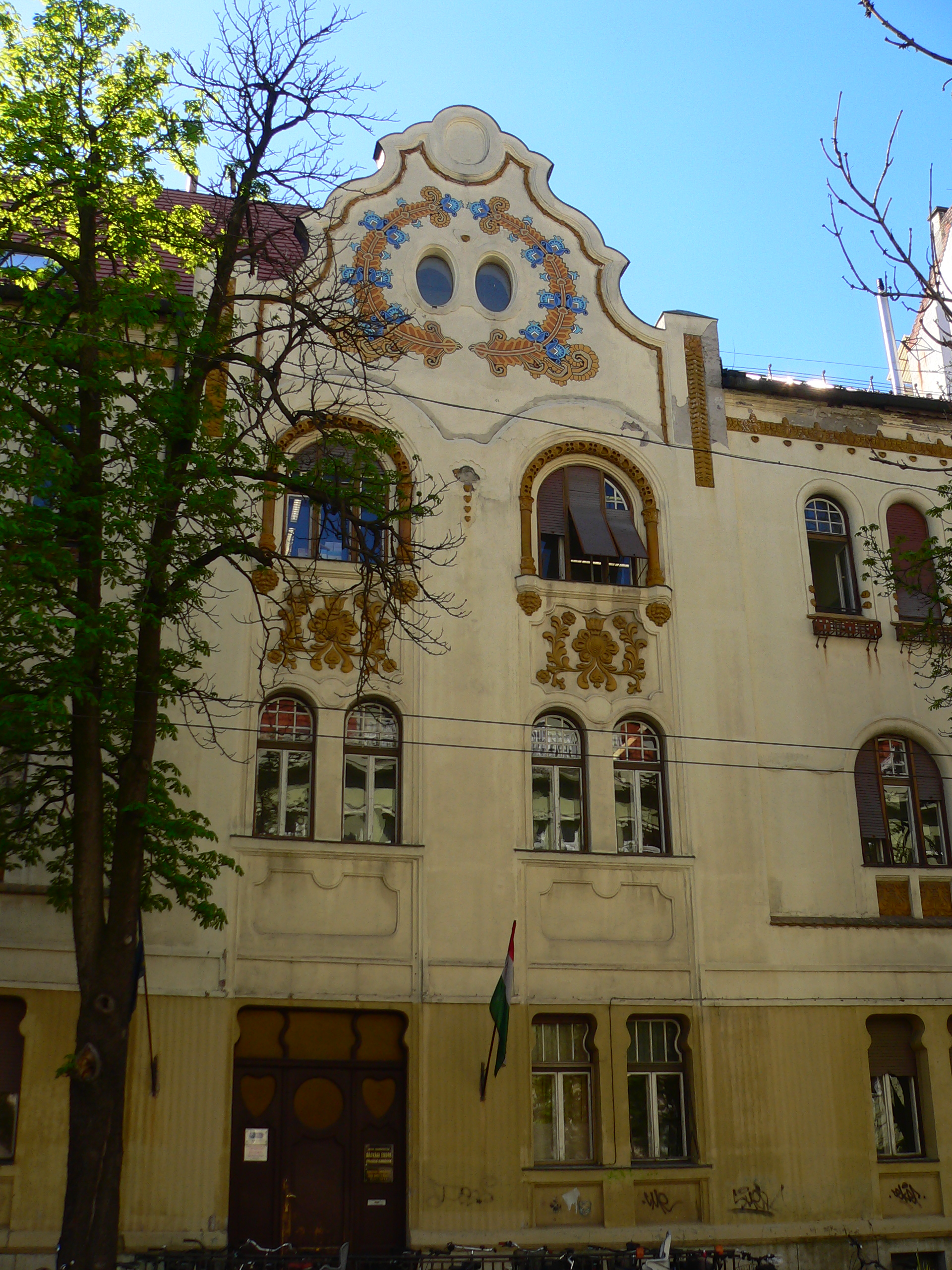
The architect’s palace in Szeged is larger and more imposingly executed, yet it is more modest in comparison with its counterpart in Subotica, failing to reach its outstanding unity of style and the elaboration of its details.
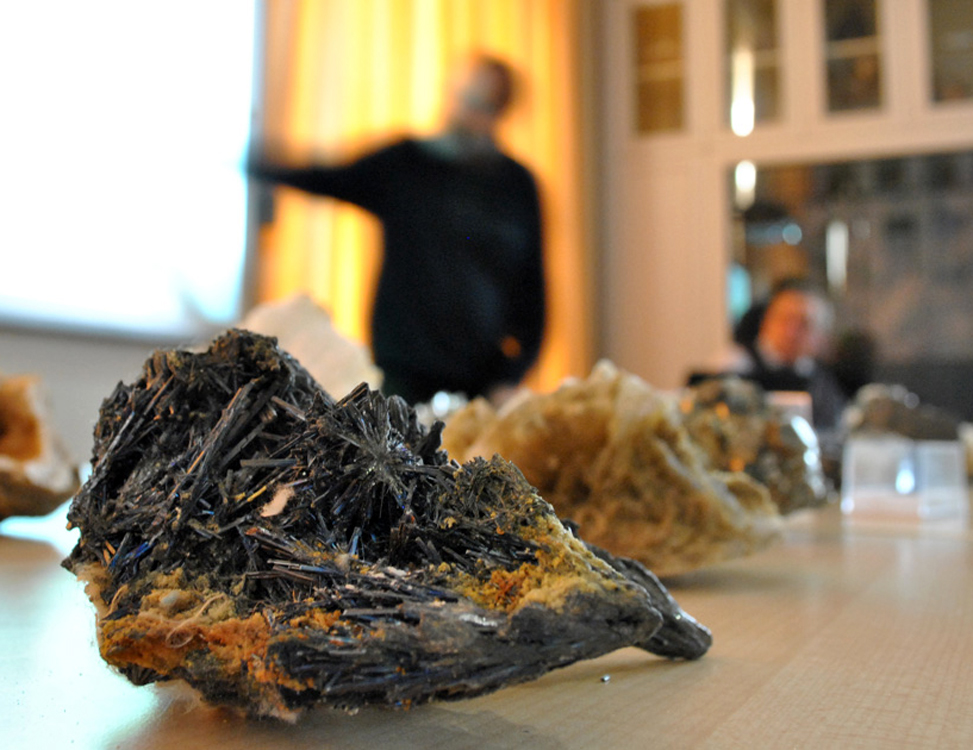
The collection, devoted to the passionate mineralogical researcher and professor Sándor Koch, former head of the Institute of Mineralogy and Petrology at the University of Szeged, consists of two main…
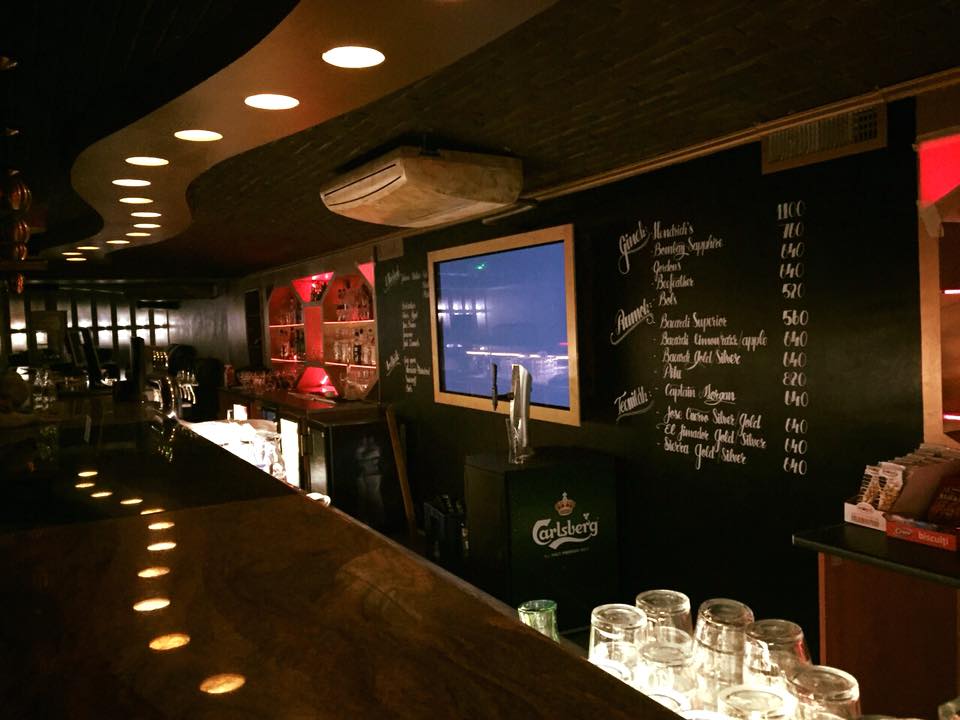
Information Opening hours: Mon-Tue: 10.00-24.00 Wed-Thu: 10.00-02.00 Fri: 10.00-03.00 Sat: 10.00-04.00 Sun: closed 6720 Szeged, Kölcsey u. 11. Tel.: +36-30/966-4068 www.facebook.com/NO1SZEGED
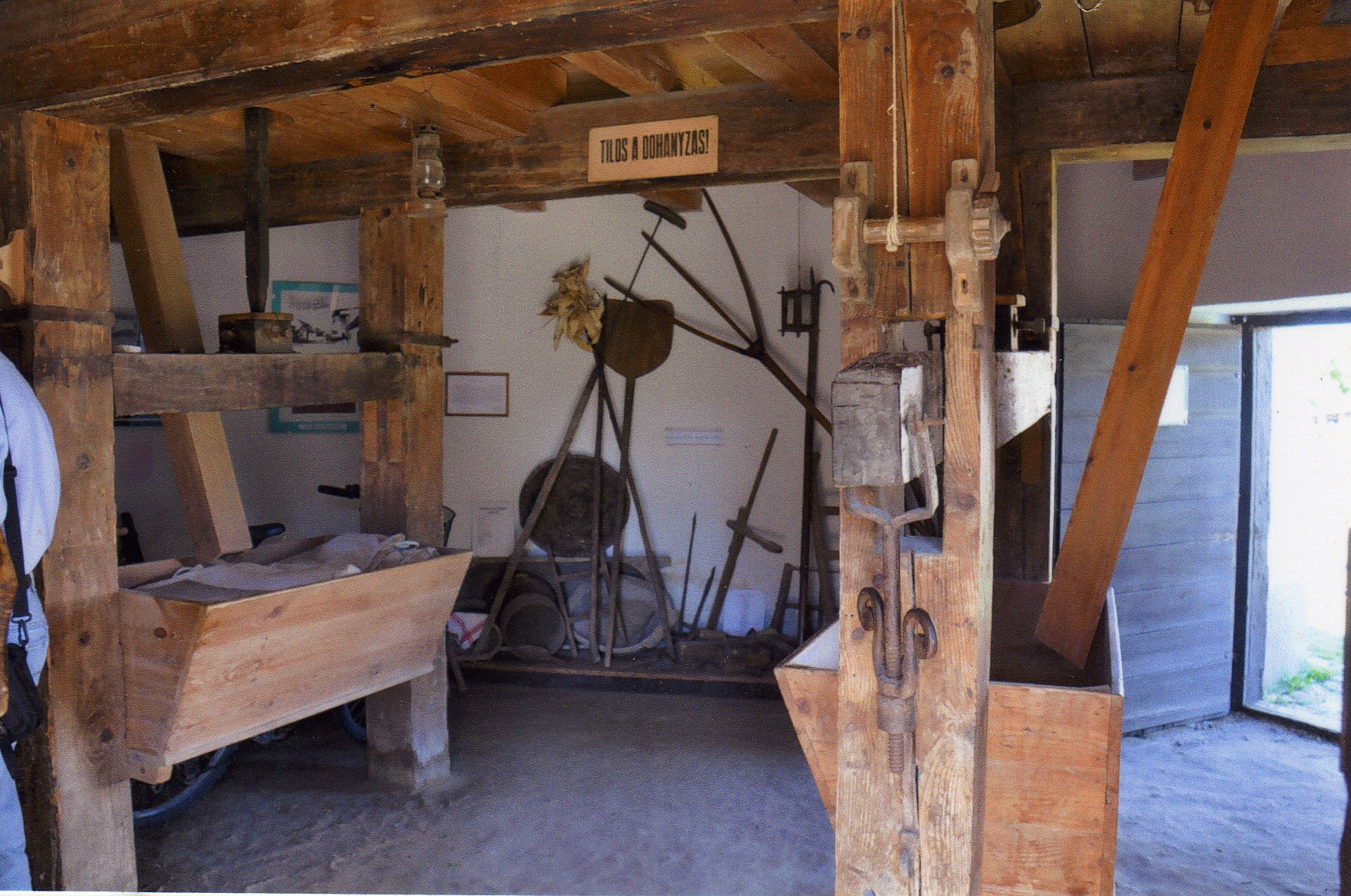
The settlement, developed from fishermen’s cottages, was first recorded in 1237 under the name Durusma.
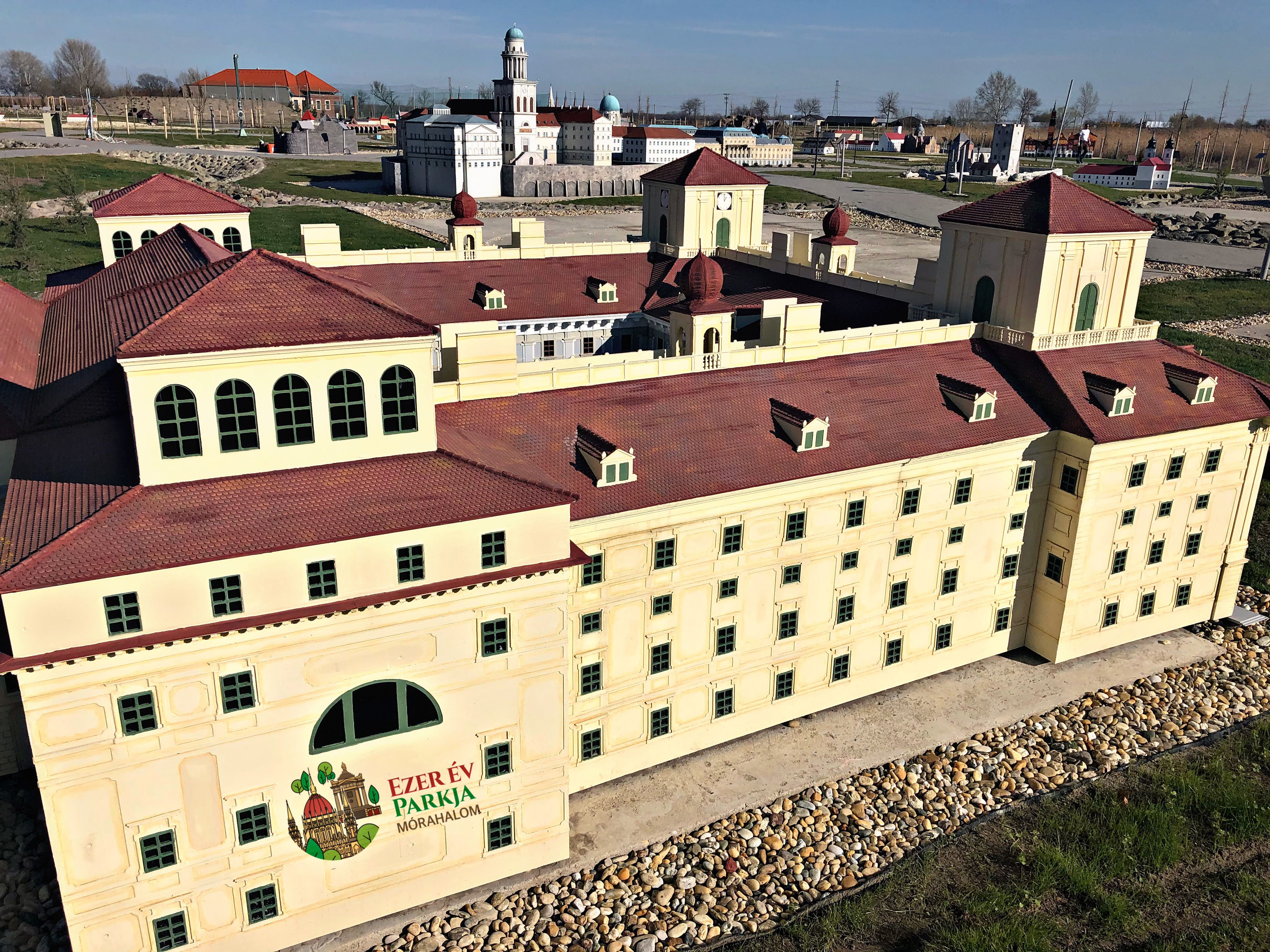
As for Mórahalom… A guest in the house is a pleasure in the house – so the saying goes. We, the people of Mórahalom, are hospitable people. We have something…
Information 6720 Szeged , Stefánia sétány 6. Tel.: +36-62/658-769, +36-30/381-8282 info@vrk.hu http://vrk.hu https://www.facebook.com/VarosiRockKlubSzeged/?locale=hu_HU

The town, located 12 km northwest to Szeged, was founded on the area donated to the victims of the Great Flood of 1879 from Algyő by marquis Sándor Pallavicini.
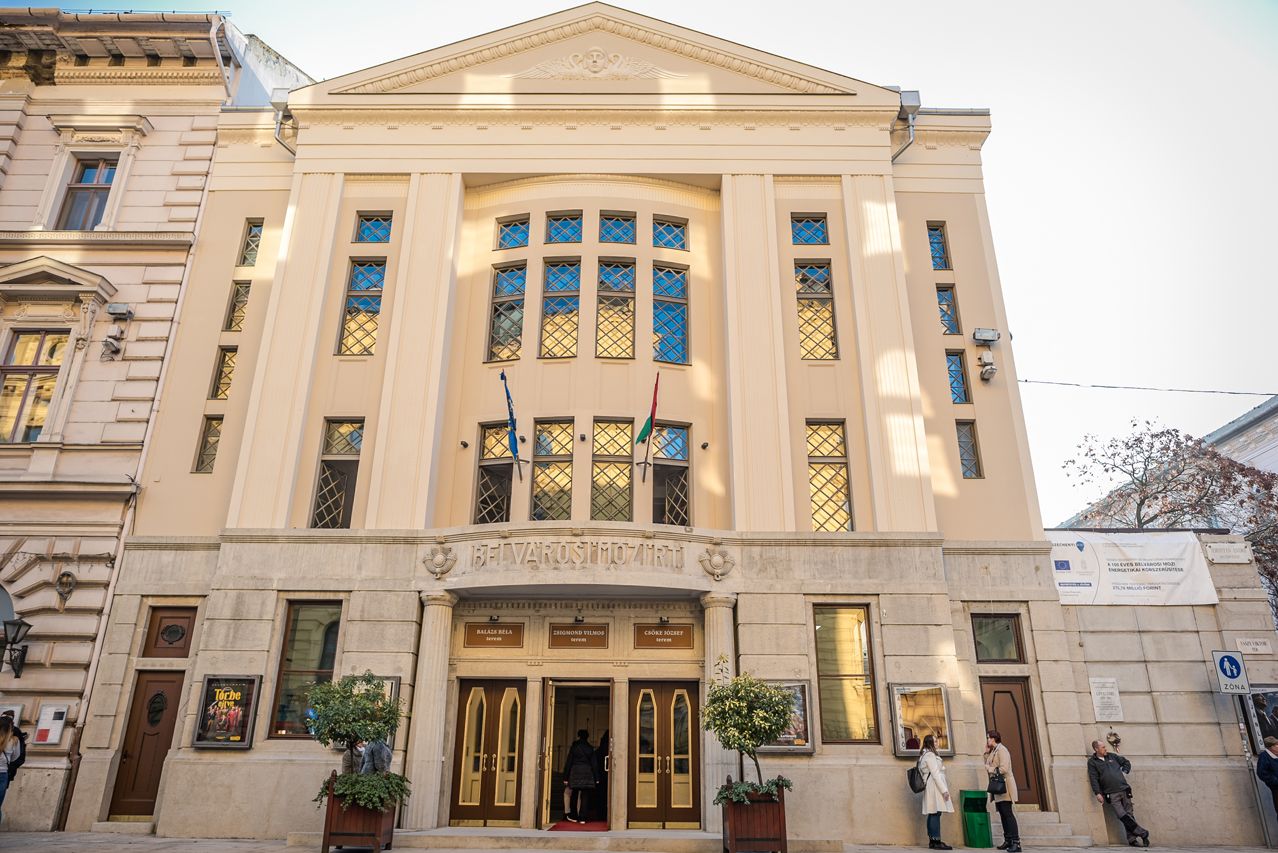
The Art Deco building of the Belvárosi Cinema was built in 1920 according to the plans of the architect Endre Sebestyén.
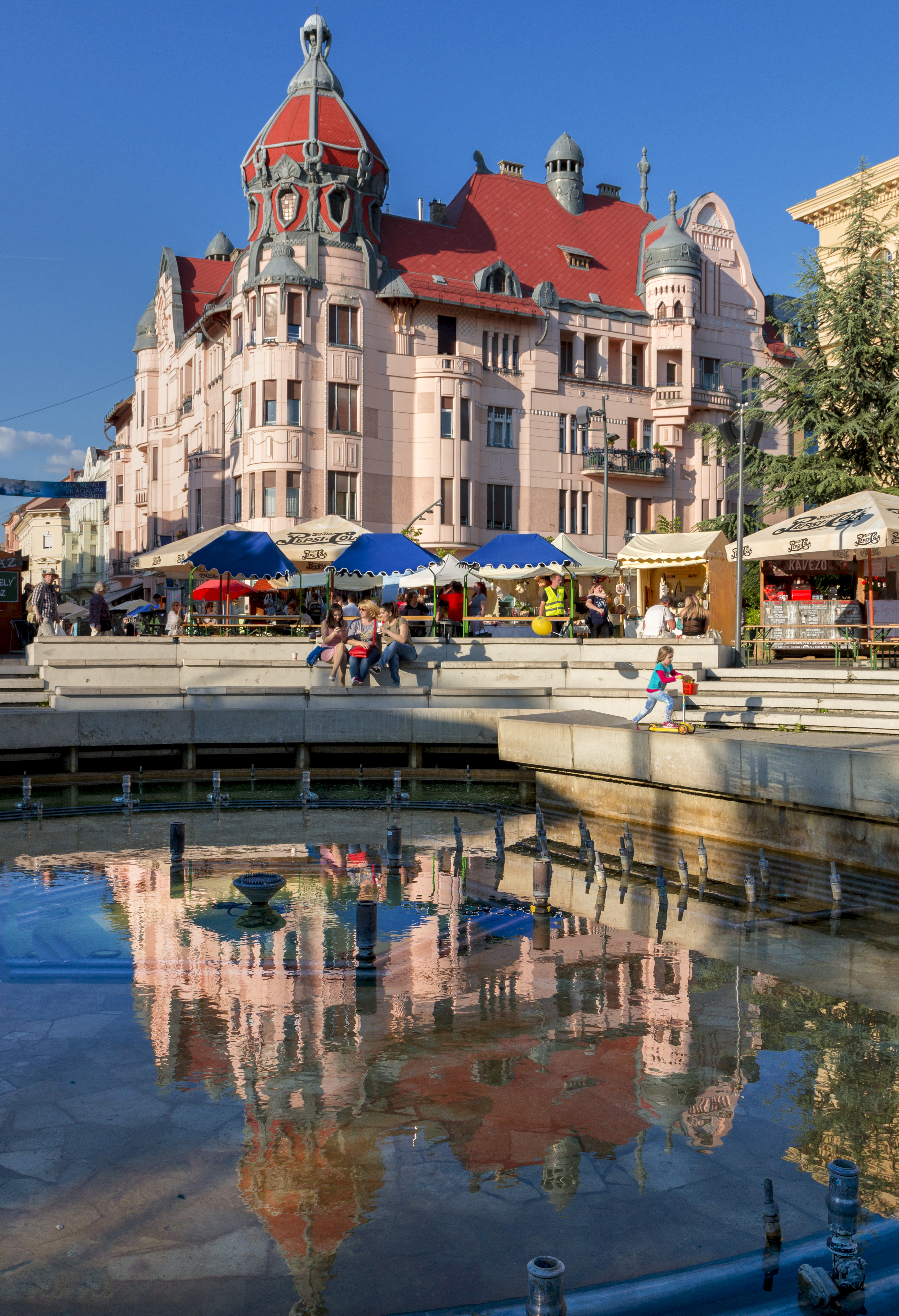
This corner building dominantly shaping the cityscape is a masterpiece of the late Art Nouveau in Szeged. Its capriciously animated facades can be attributed to the architect’s imagination forced to distance himself from Art Nouveau and to the designer’s sober intuition under the pressure to return to Eclecticism.
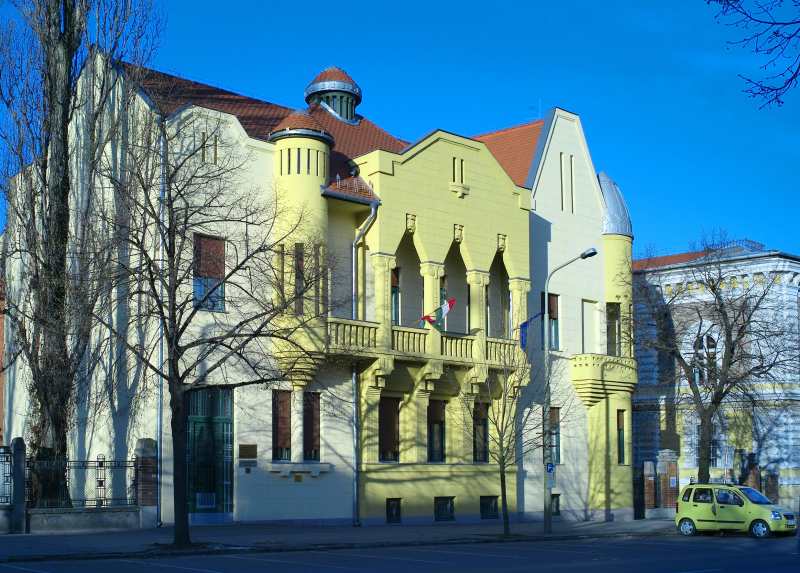
Owing to the playfulness, extravagant animation and asymmetry of the facade, this beautifully renovated building is a unique example of the geometric Art Nouveau.
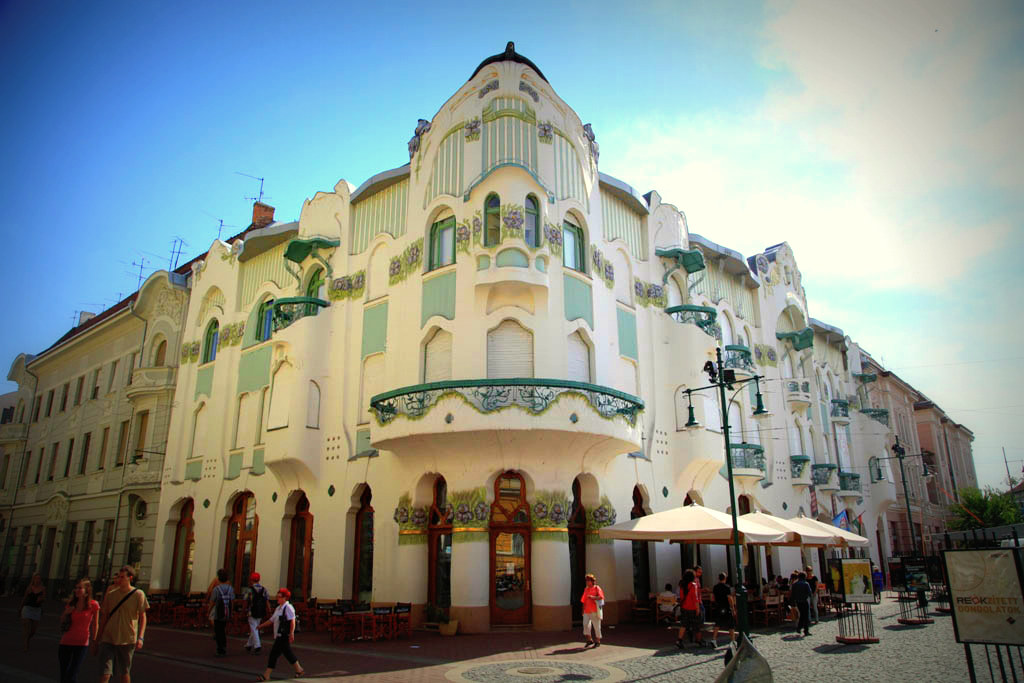
The architect Ede Magyar was thirty in 1907, when he constructed Reök Palace, an exemplary piece of Hungarian secession.
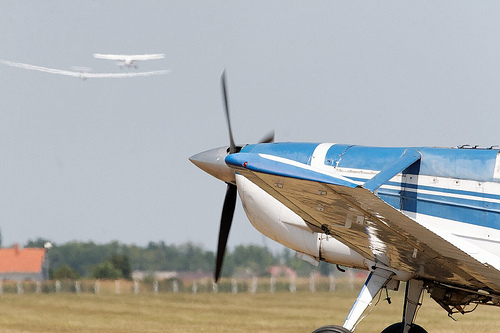
Admire the winding path of the Tisza River and the city’s landmarks from a bird’s-eye view!
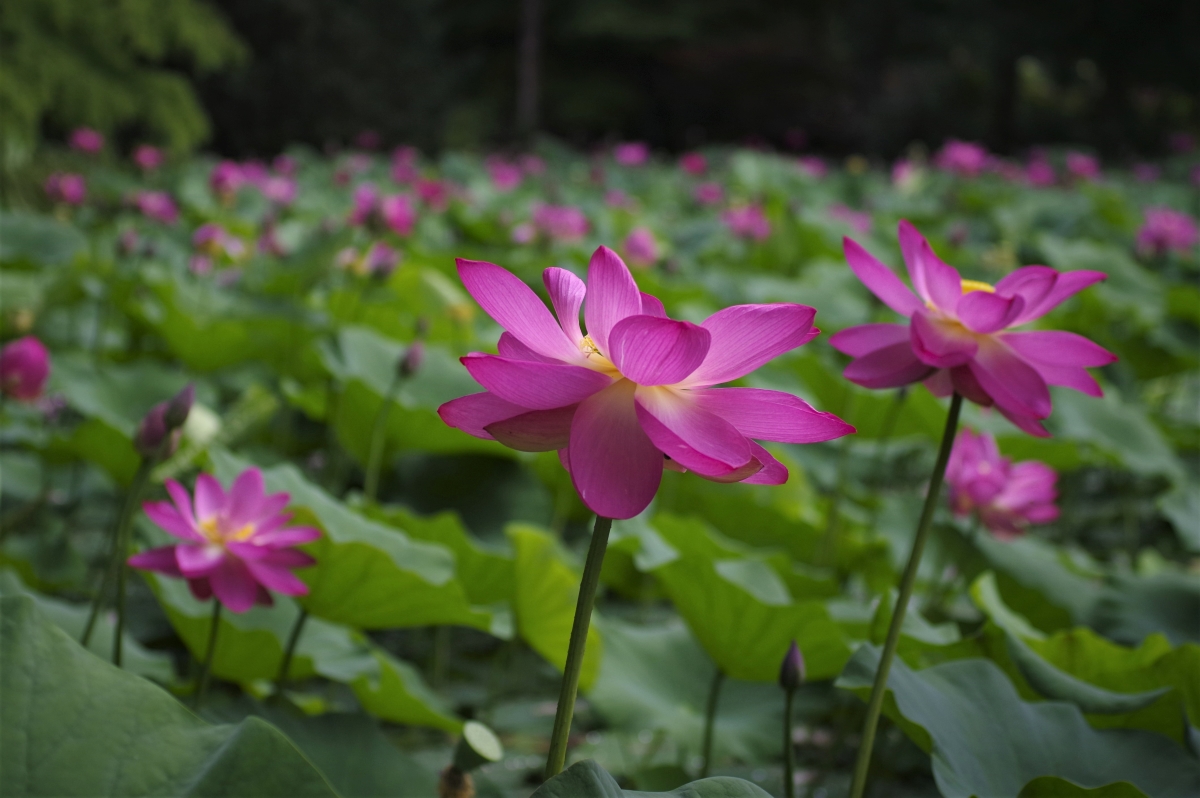
When the University of Kolozsvár moved to Szeged in 1922, the city donated a land of 20 kh to it to establish a botanical garden.
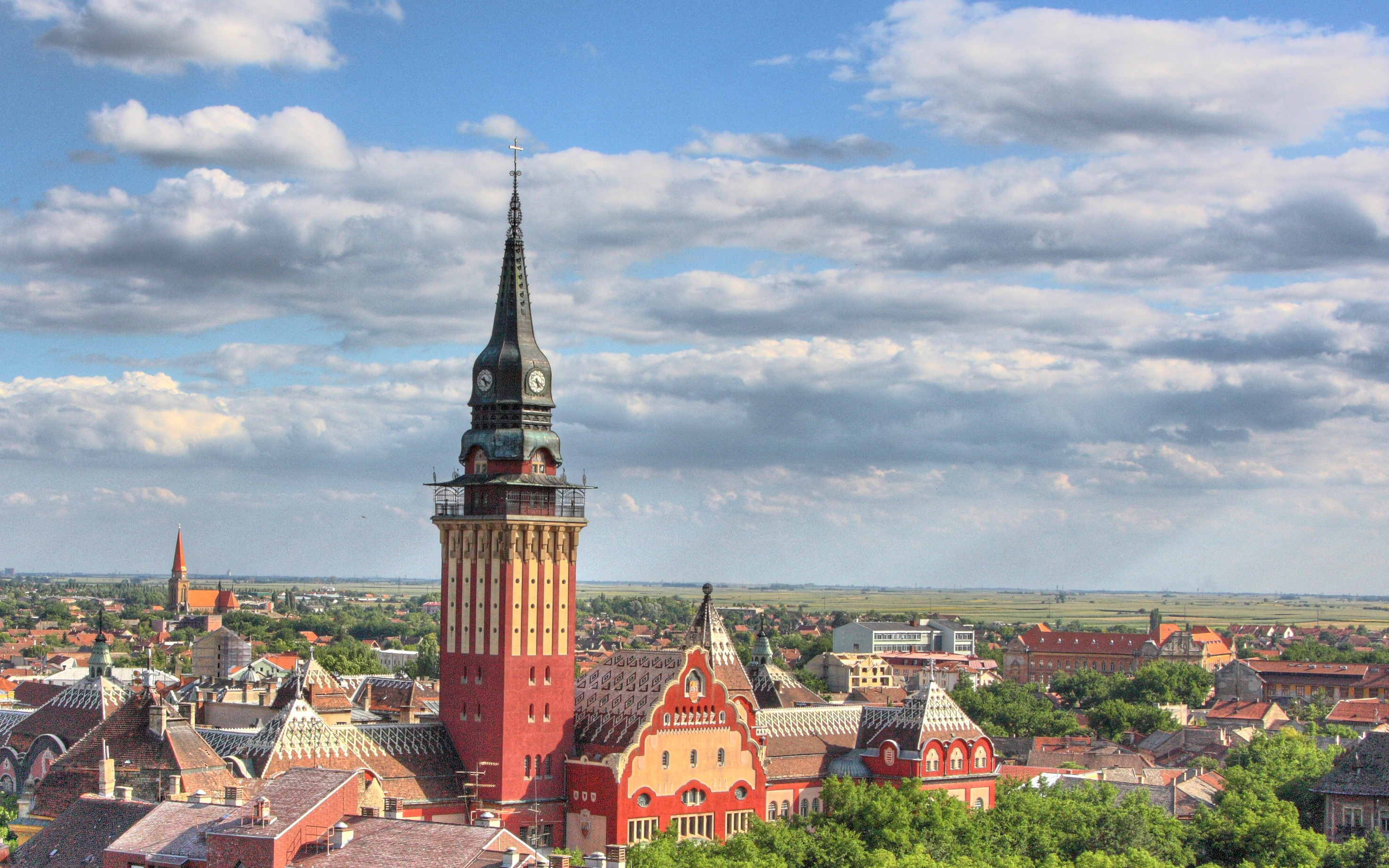
Szabadka is the second most densely populated town in Vajdaság having a population of 150,000 people together with the settlements around it.

Did you know that the Indians used hot peppers as tear gas and as a form of punishment? the word paprika originated in the Szeged area and is known all…
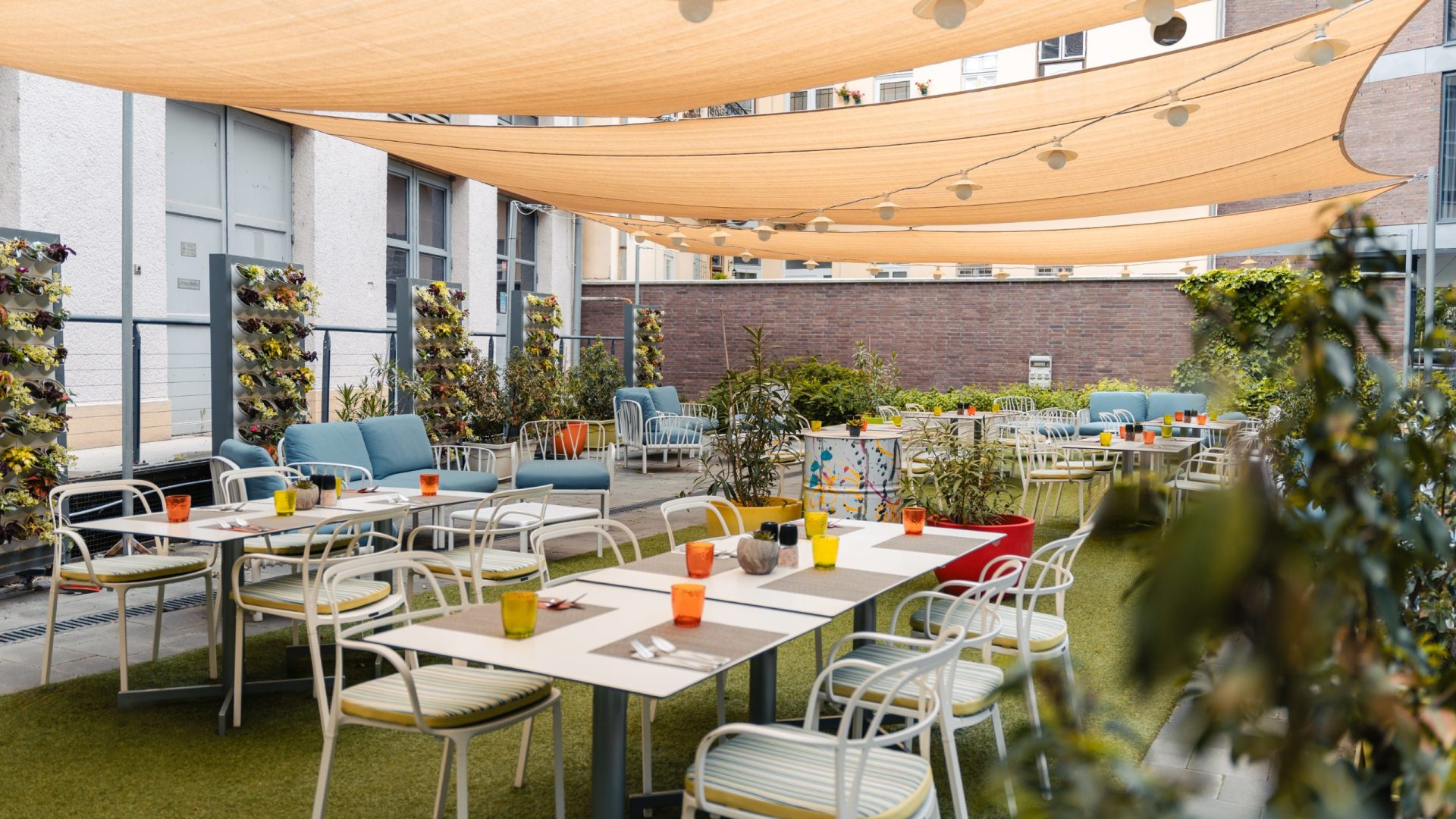
Tune in to the Szeged Open Air Festival in style!

Szeged Cathedral Visitor CenterAs a candidate for the Museum of the Year 2020 award, the Szeged Cathedral Visitor Center awaits its visitors with numerous tourist attractions. Among its permanent programs,…

A tour with the Sightseeing Small Train of Szeged with Hungarian, English and German pre-recorded audio guide (on request, with previous booking with a tourist guide).

The tower, which can hold 1004,8 m3of water, was designed by Szilárd Zielinski.
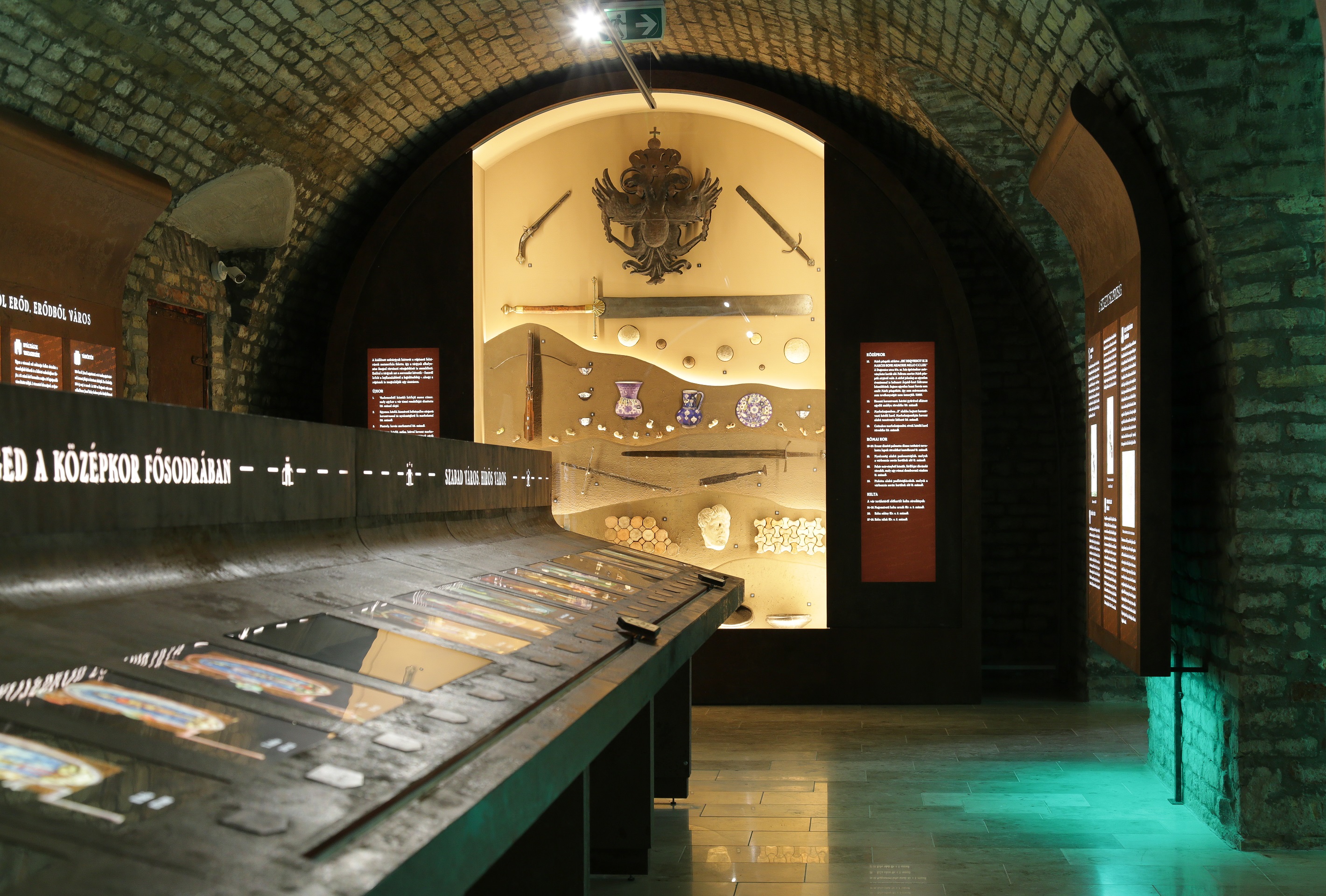
The fortress in Szeged was built in the second half of the 13th century, probably with the extension of the already existing fortress.

Get to know the kurgans, the – literally – outstanding values of the Great Plain landscape!
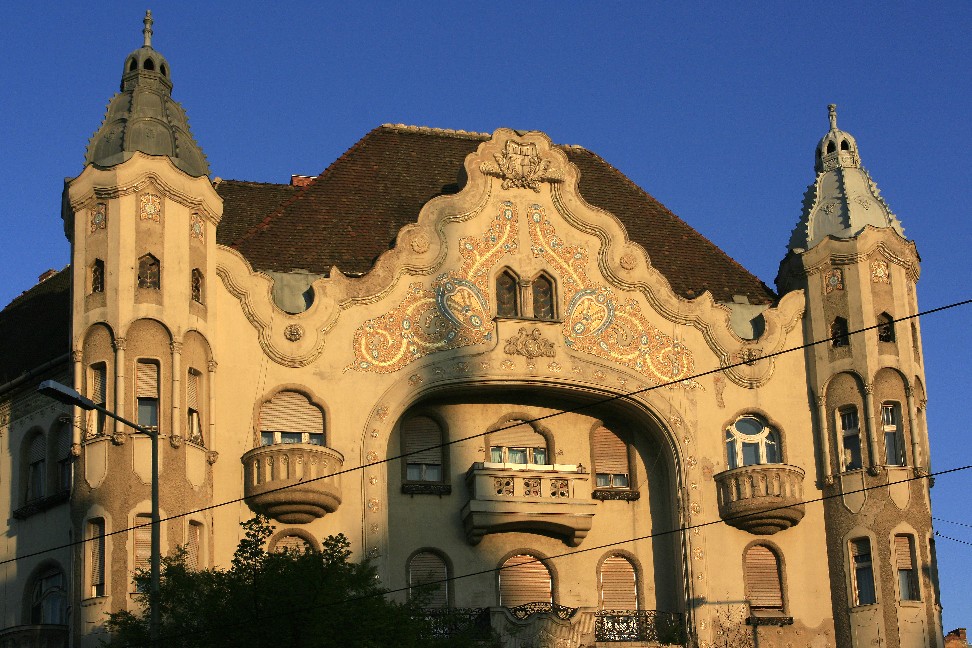
It is a determinant building on Tisza Lajos Boulevard being the biggest protected monument built in secession style in Szeged.
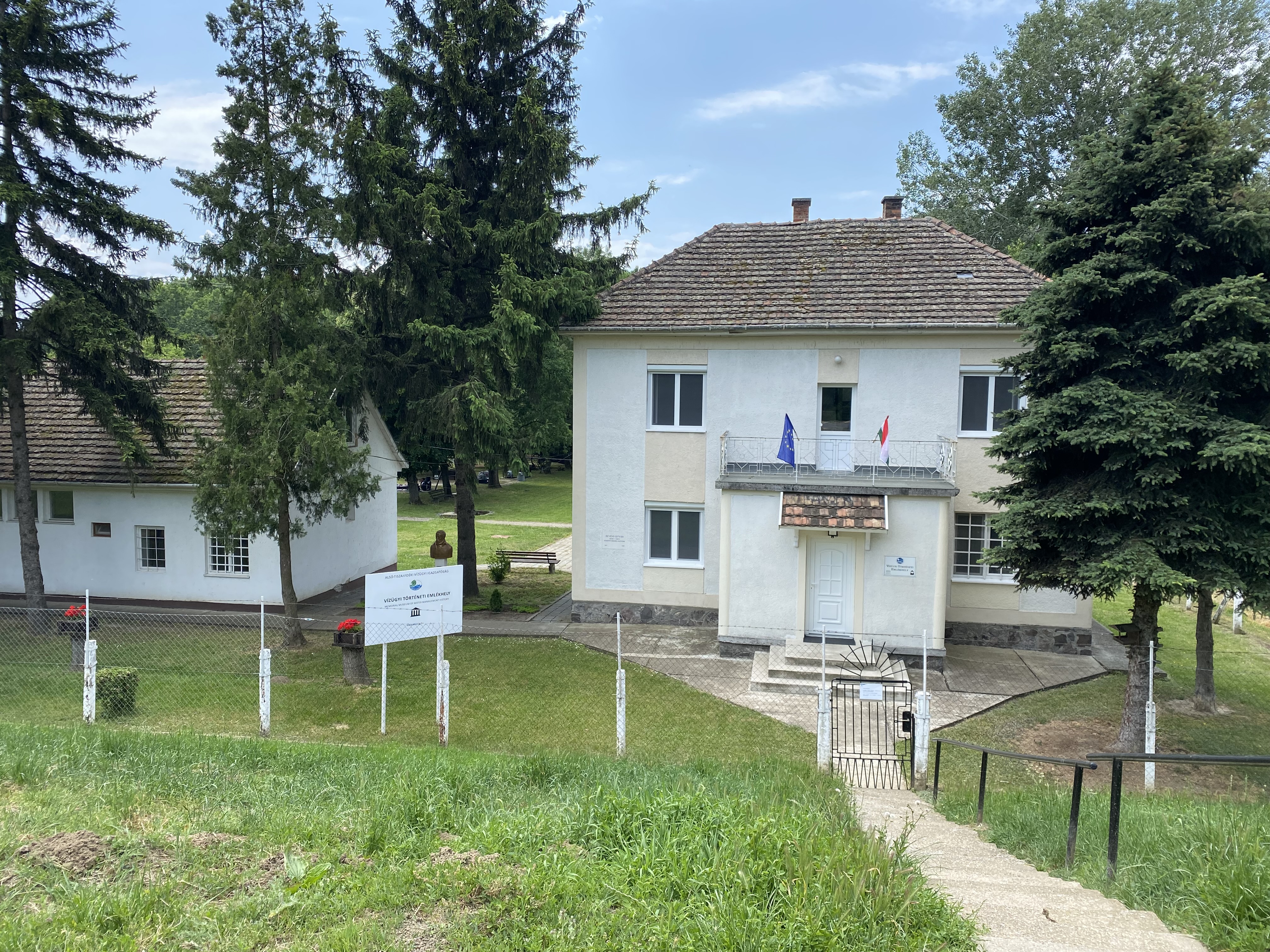
The indoor exhibitions feature: Cubic exhibition Open-air exhibition: Objects Here the important steadings of dike-reeve houses (storerooms, workers’ hostel, barn, pig sty, wooden corn silo) are displayed. Of course, today…
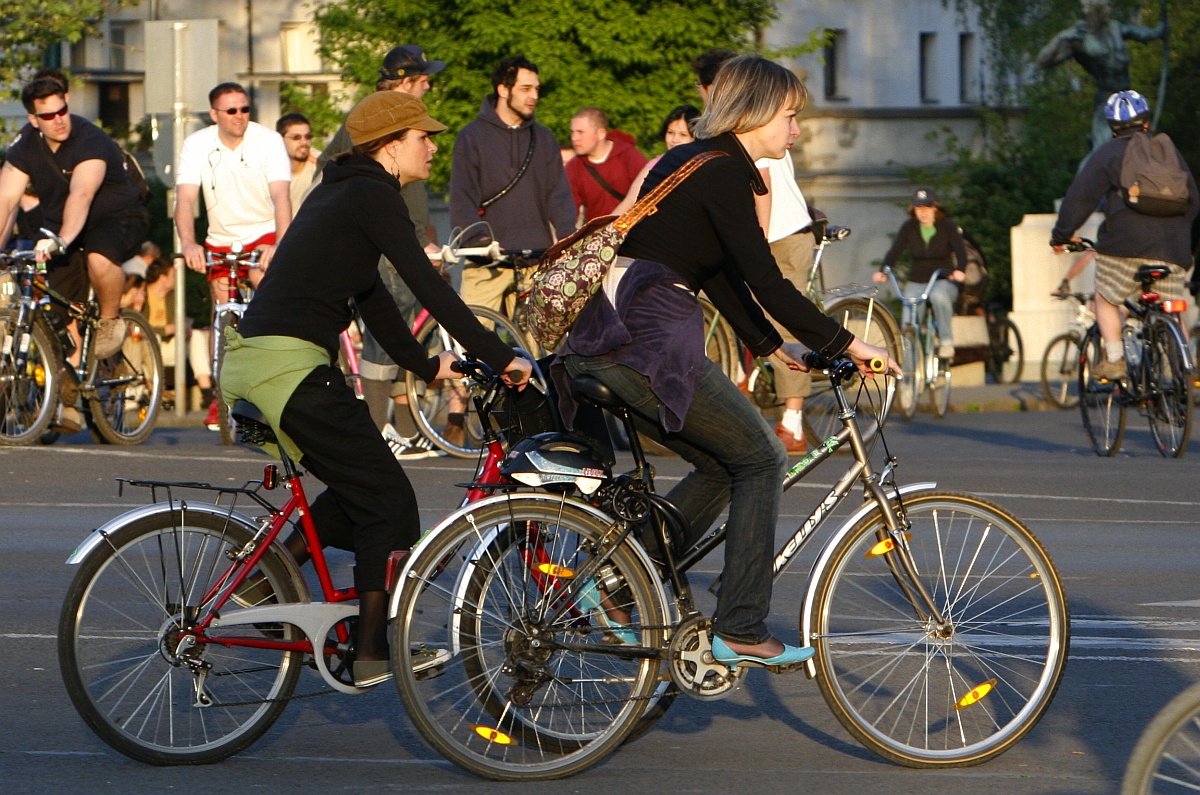
Rent a bike and explore the most beautiful parts of the city, or enjoy the beauty of the surrounding nature in the fresh air!
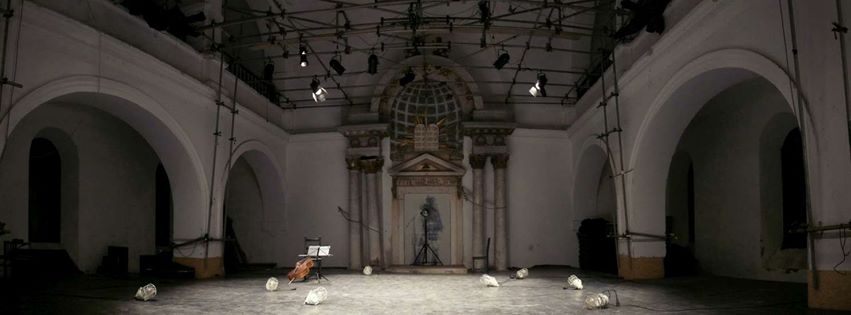
Information Postal address: 6701 Szeged, Pf. 905. Office: Megálló közösségi ház, 6723 Szeged, Budapesti krt. 23. HQ: 6723 Szeged, Kockaház utca 4. 2/6. ALTERRA (Régi Zsinagóga): 6722 Szeged, Hajnóczy u….
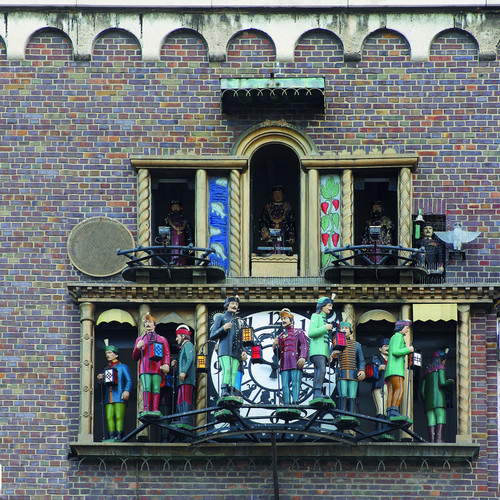
The tunes of this unique piece of art by watchmaker Ferenc Csúri could be first heard at the Open Air Festival in 1936.
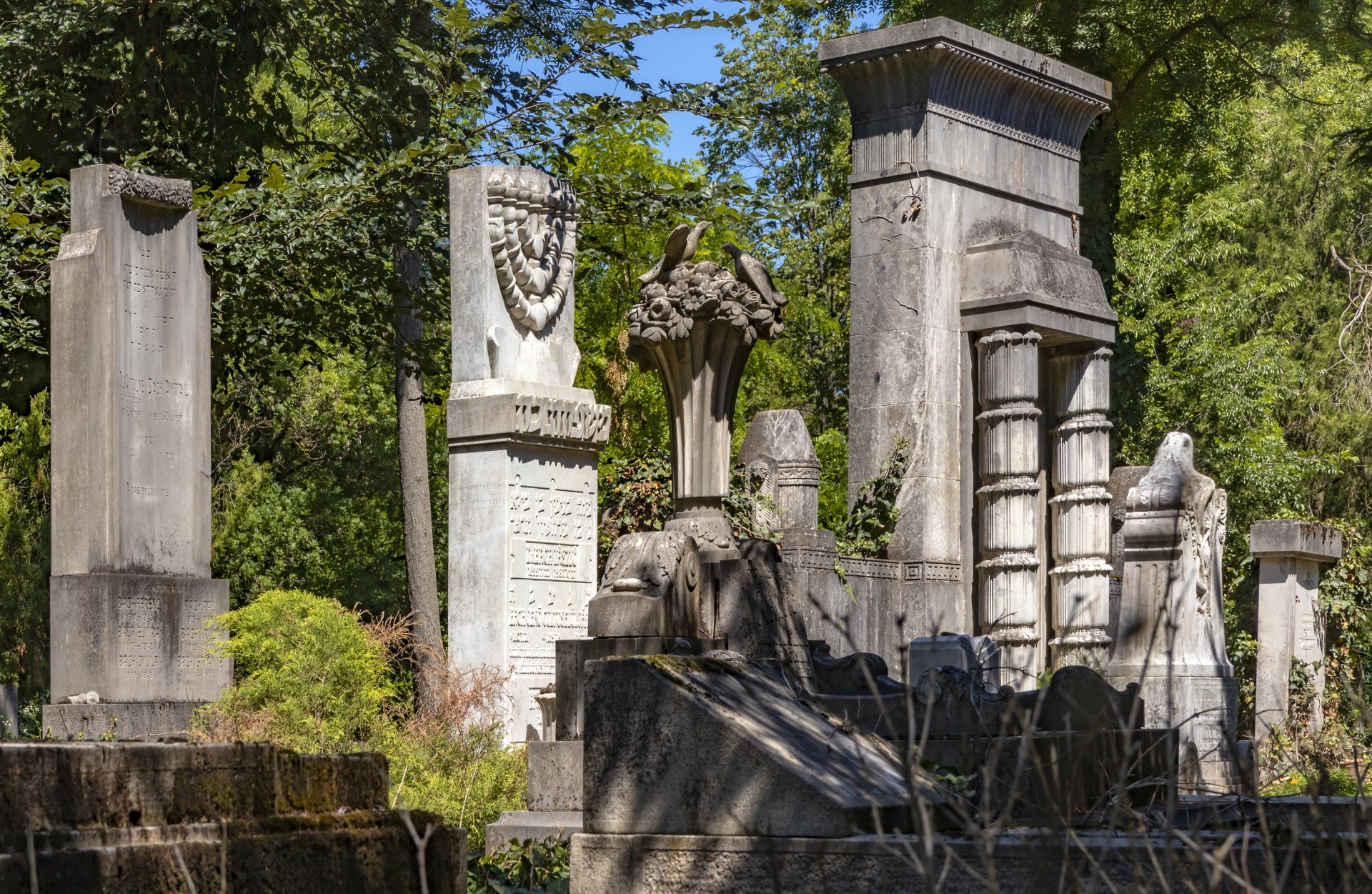
The Jewish cemetery in Szeged is a special place of the Jewish community that once lived here and still lives here today. Its history, gravestones and monuments reflect the culture,…
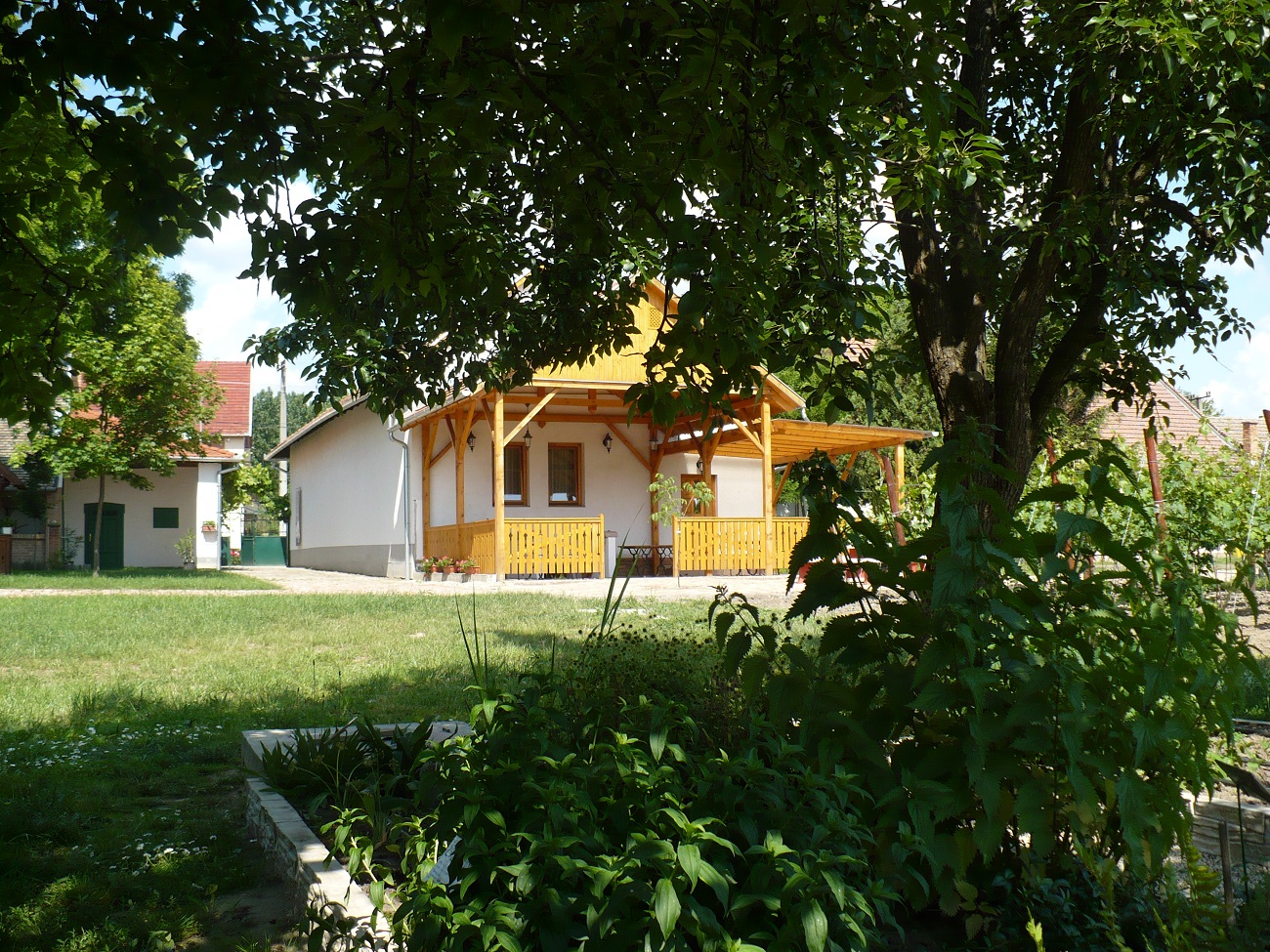
In Algyő, at 42 Kastélykert Street, the EZERJÓFŰ Herb and Medicinal Herb Garden awaits its visitors, a gradually expanding collection of plants that thematically groups medicinal plants according to their…
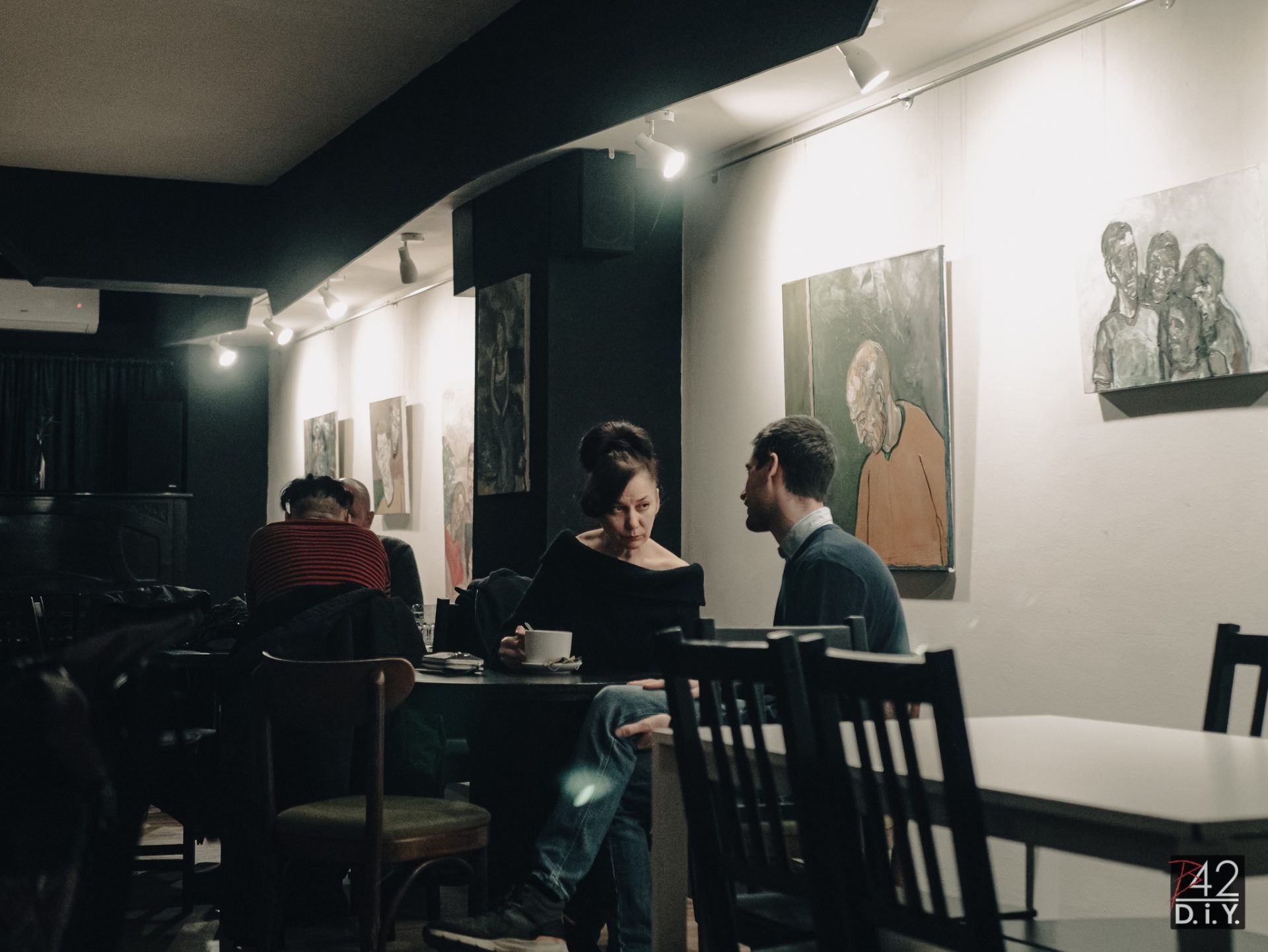
The Grand Café is not only a cinema, but also a café, as the name suggests, where you can always drink a delicious coffee, beer or wine before or after the cinema or – horribile dictu – instead.
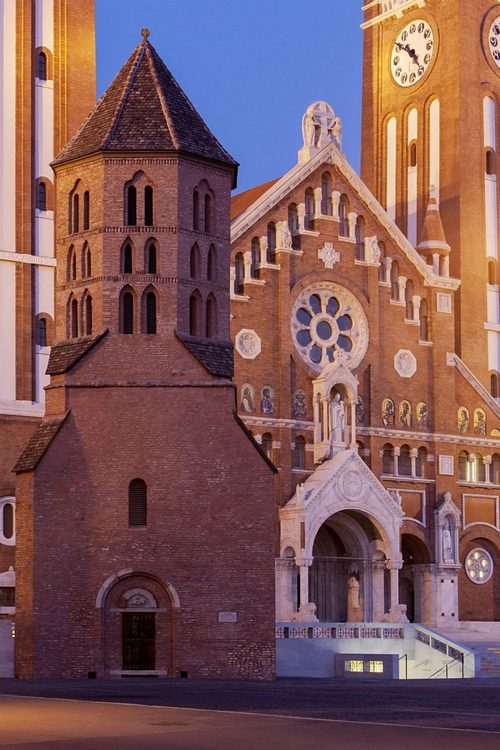
Outside the Votive church stands the Saint Demetrius Tower, the oldest architectural relic of the city.
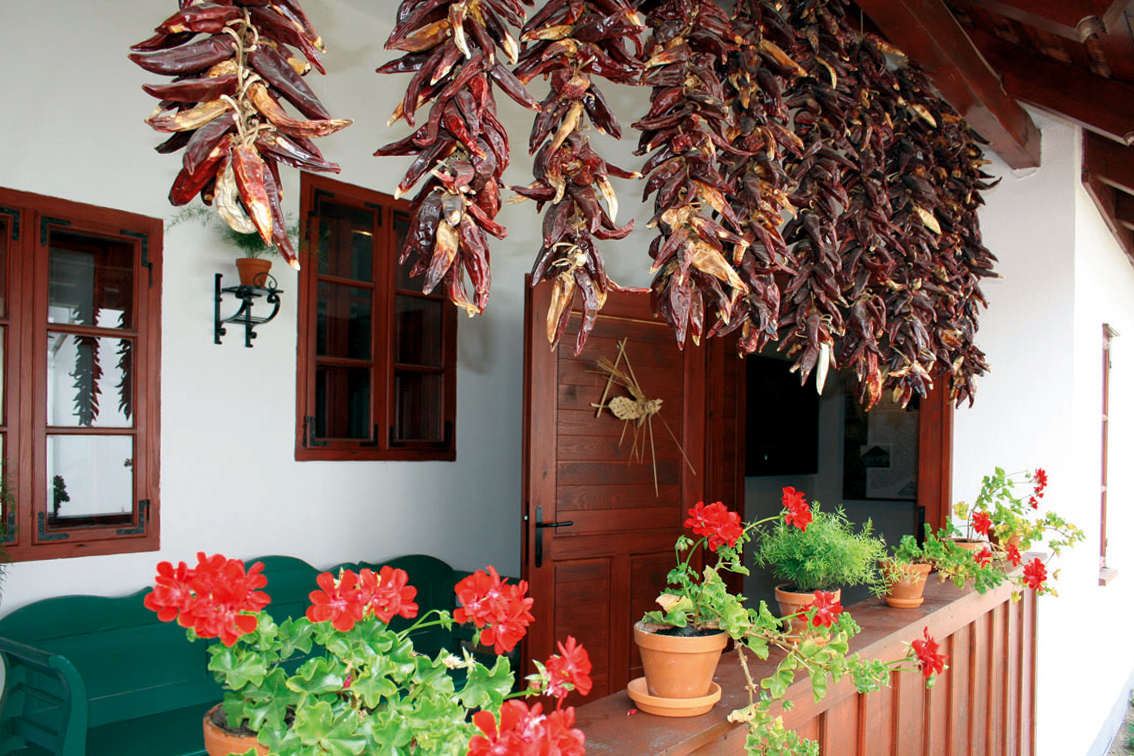
The God’s Eye motive of the main altar in the Alsóvárosi Church (Lower Town Church), the radial lines, became recognizable ornaments of the houses in lower town.
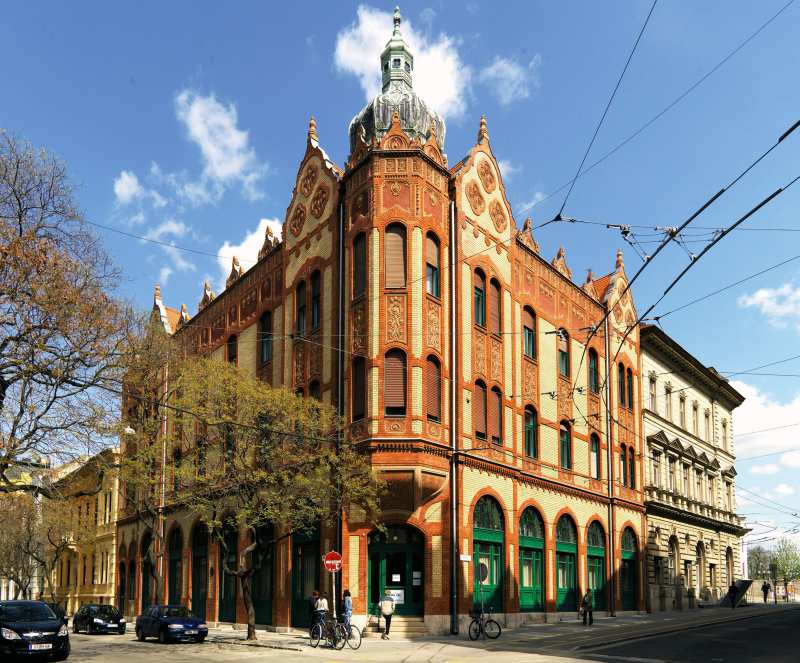
The Beregi House is one of the gems in the splendid row of palaces of the Szeged’s cityscape, which primarily is an extraordinary example of the brick architecture and Art Nouveau architectural school.
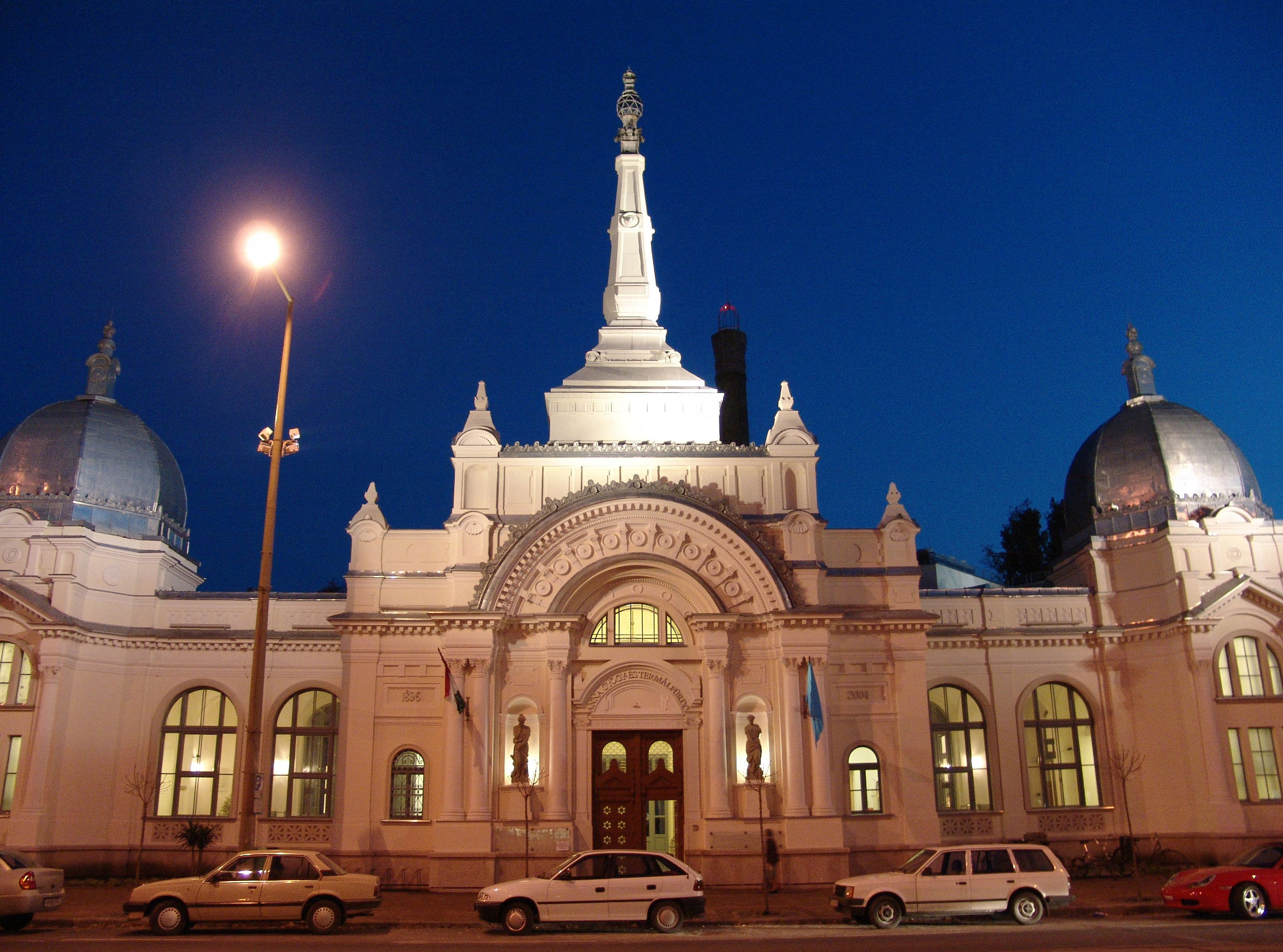
The white-walled eclectic style building in Tisza Lajos Boulevard, reflecting Oriental effects, designed by Antal Steinhardt and Adolf Lang, was built in 1896. Originally it functioned as a city public bath. It took its name from the nearby artesian well drilled in 1927 and its water.
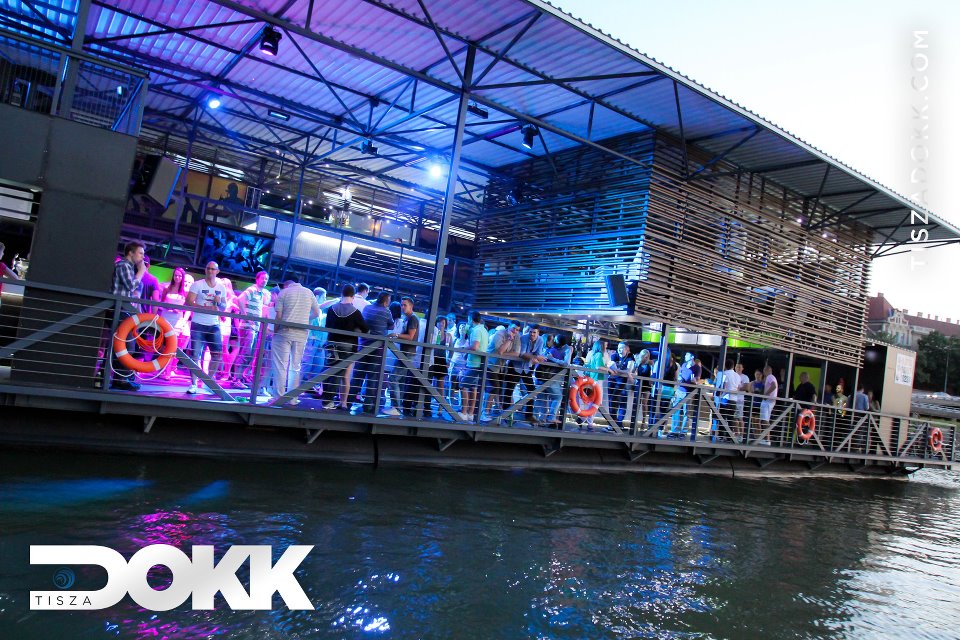
Information 6721 Szeged, Huszár Mátyás Rakpart (úszóház) +36-30/974-0400 E-mail: hello@tiszadokk.hu info@allinparty.hu https://tiszadokk.hu/ https://www.facebook.com/TiszaDOKK
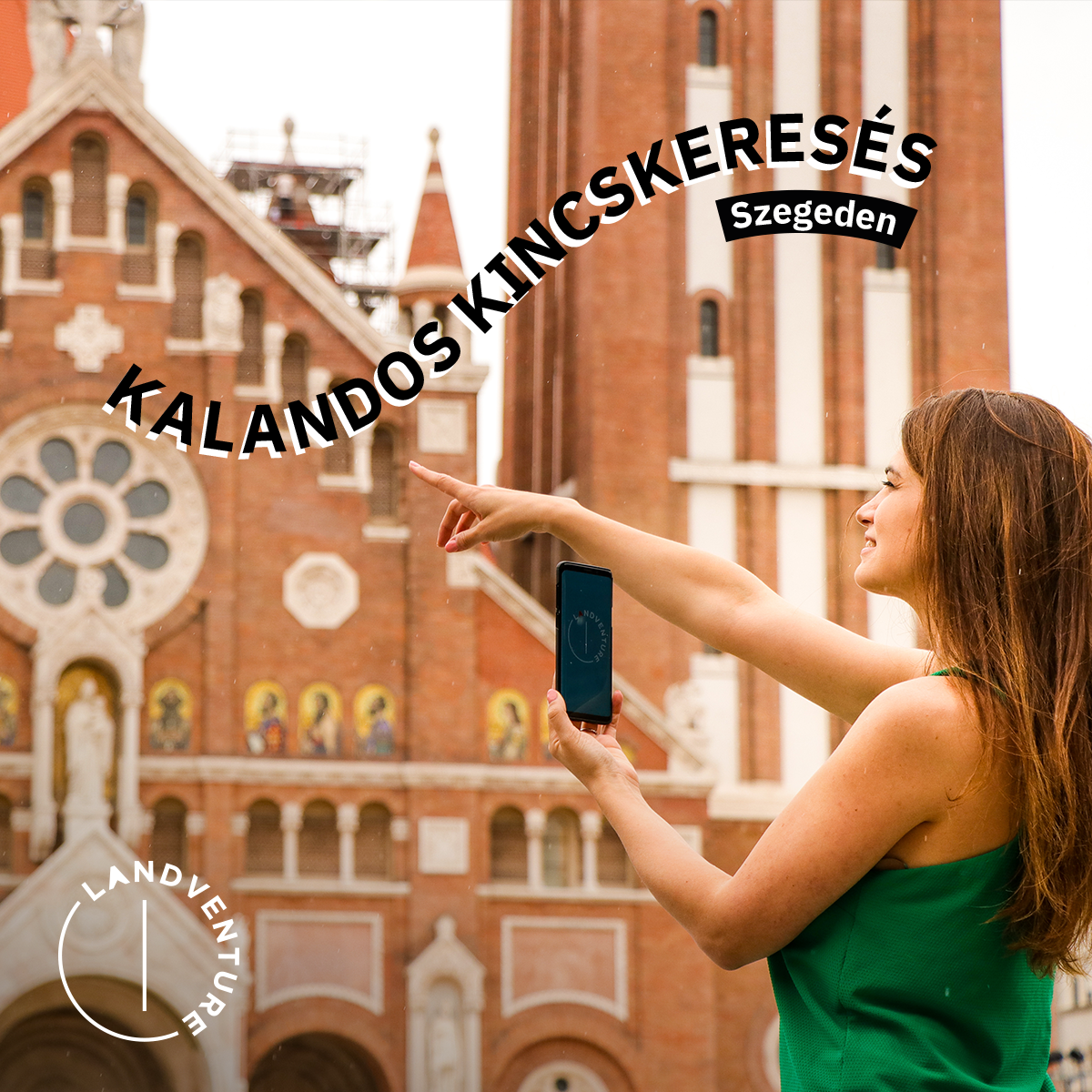
The newest outdoor adventure game to play alone, in a couple, with a companion, with a dog, anytime. The missions take you to the best parts of the city. All you need to play is you and a mobile phone!

Covering an area of 14 m2 it is the largest alkali lake in Hungary. In the first third of the 20th century it was turned into a system of fish ponds.
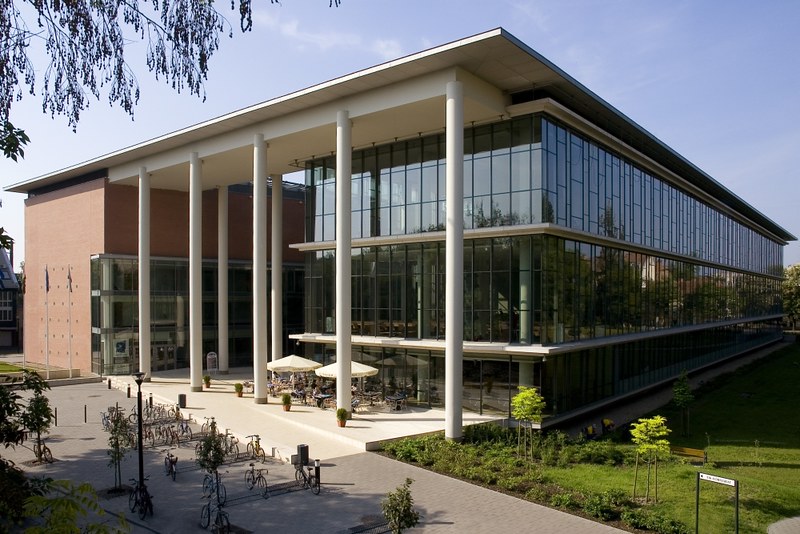
The education and congress centre of the University of Szeged.
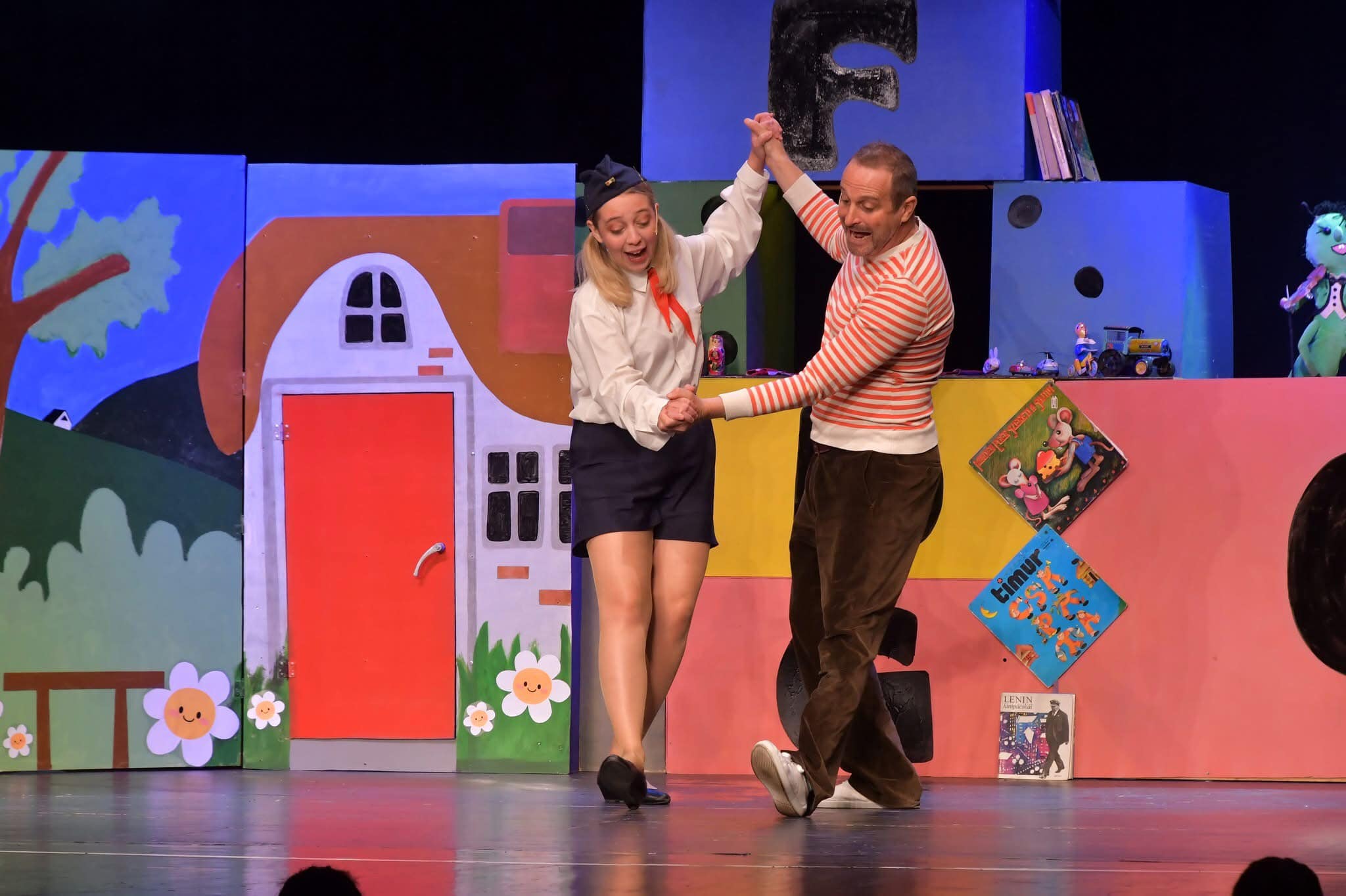
Information 6720 Szeged, Dugonics tér 2. Tel.: +36 30/ 606 7337 Tel.: +36 30/ 998 6172 pinceszinhaz@invitel.hu titkarsag.pincesz@invitel.hu www.szegedipinceszinhaz.hu
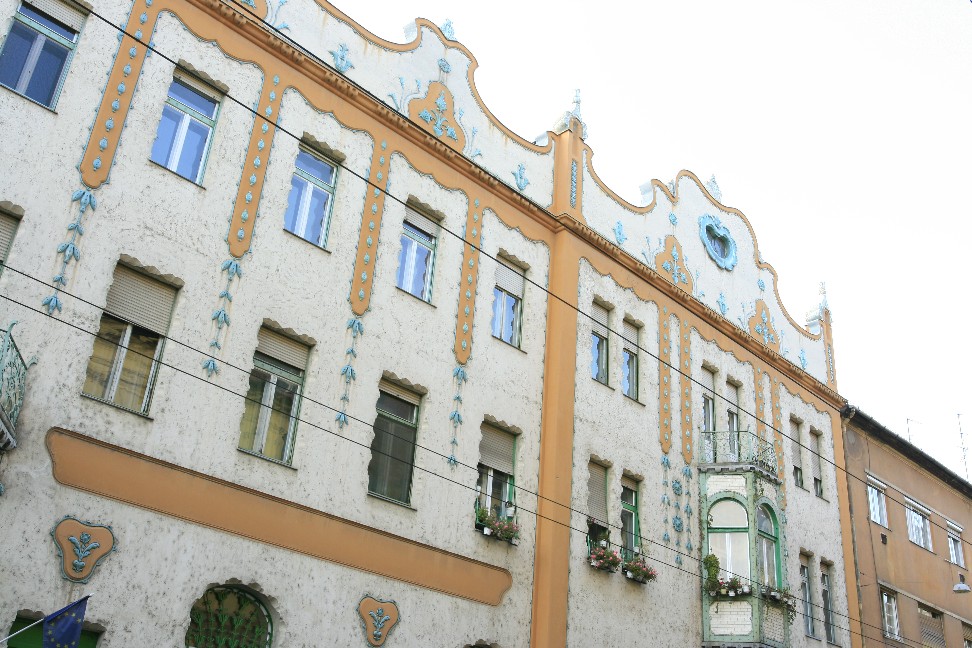
It was designed by Mihály Erdélyi with majolica ornaments in green, blue and orange and built between 1900 and 1902.
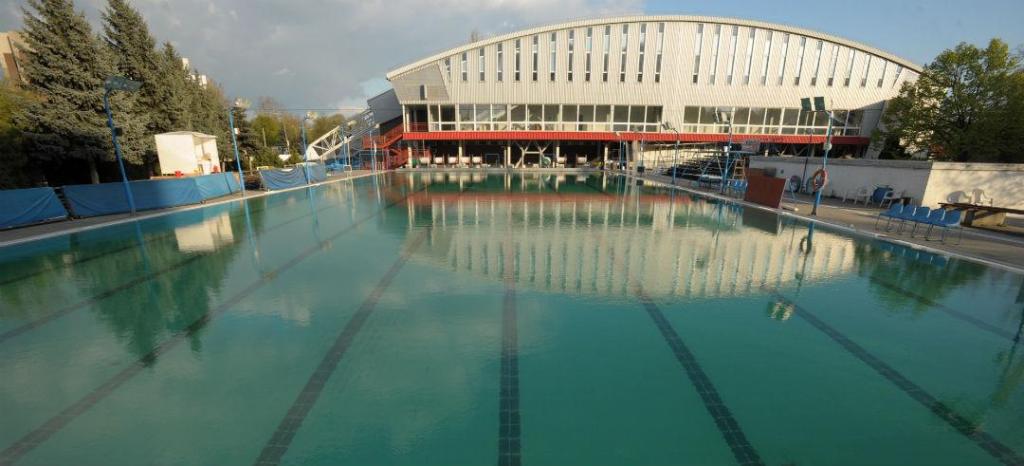
The Sport Swimming Pool is located on the Újszeged district of the town, it’s easily accessable with a ten-minutes walk from the downtown. The 50 m pool is open-air in summer time and topped throughout the winter. It provides a training and competitive area for various sports clubs.
Everey day of the week the pool is opened for evening swimming.
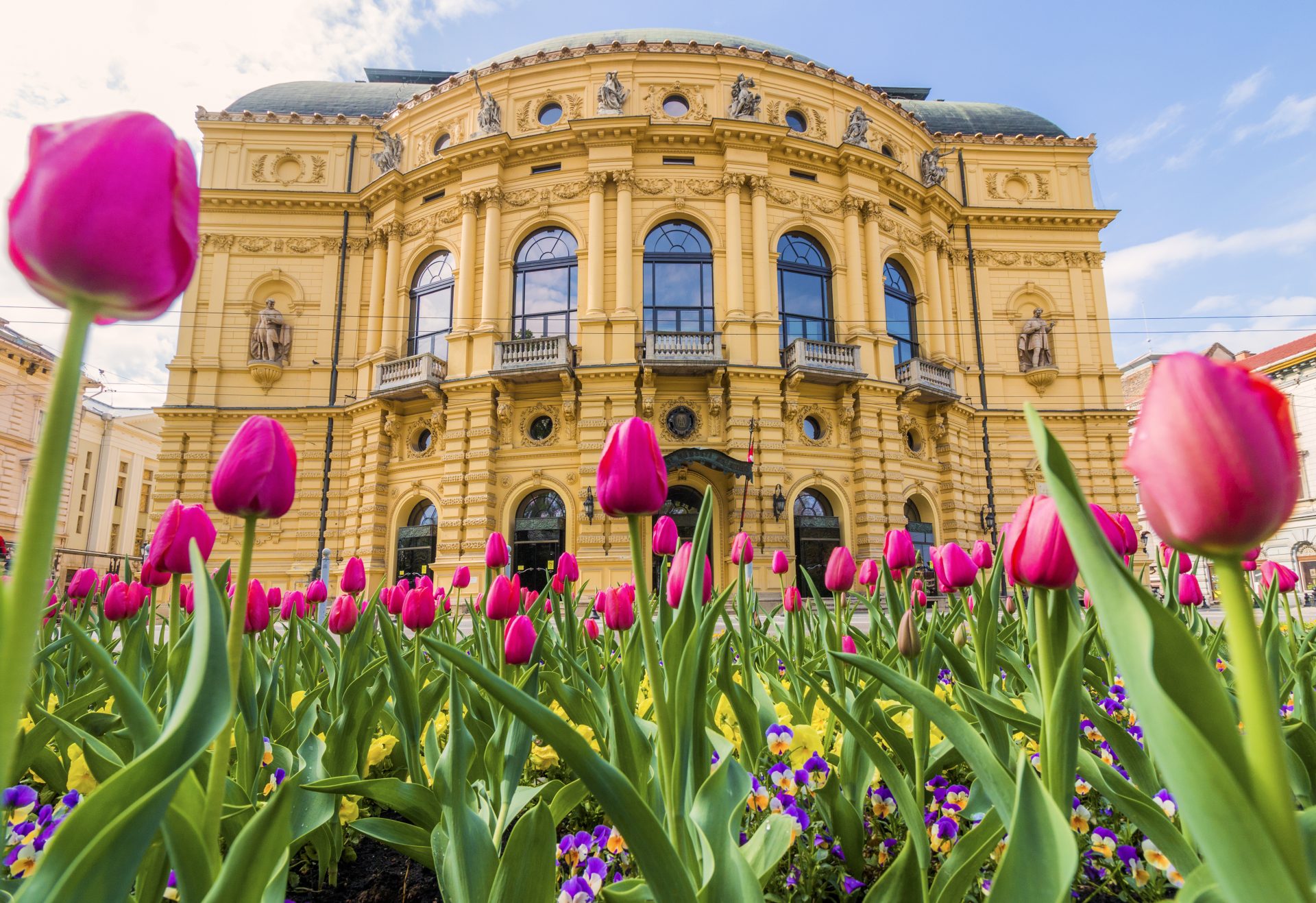
The theatre opened in 1883 is one of the most beautiful eclectic neo-baroque buildings of the town rebuilt from its ruins

If you’re tired of playing video games or fiddling with your phone, we’ve got a great offer that’s guaranteed to keep you entertained and active. At the Crazy Jump Trampoline…
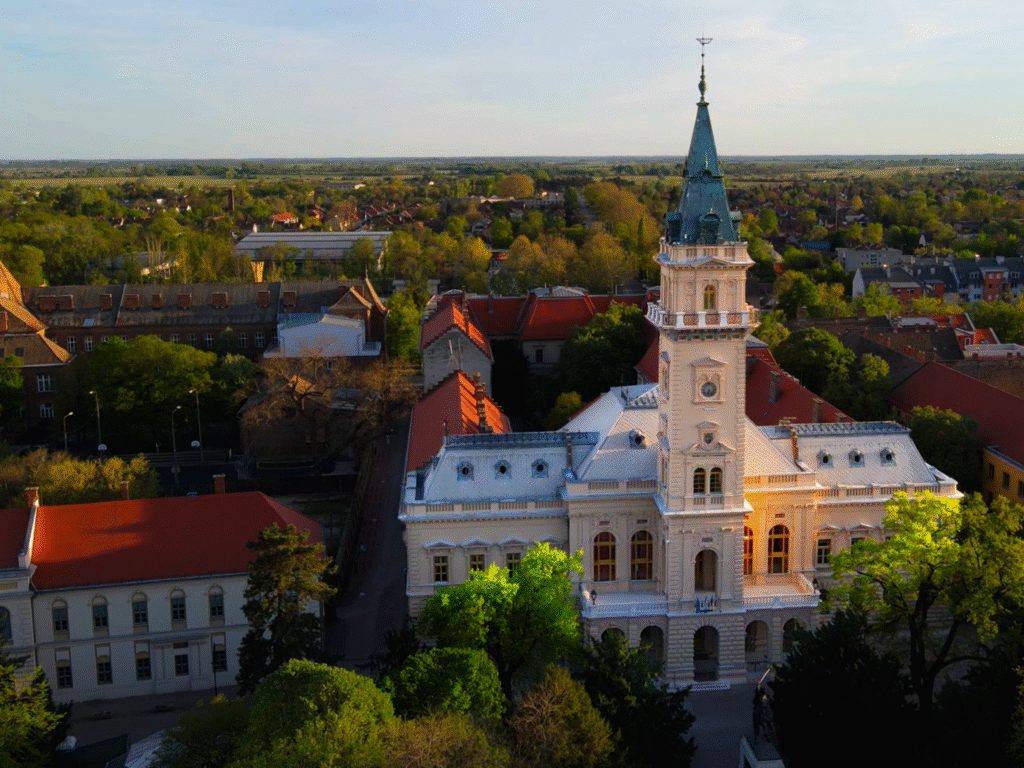
Hódmezővásárhely is a characteristic town of the Great Hungarian Plain, situated in a region bordered by the Tisza River, where tradition and contemporary culture coexist in harmony. The town has…
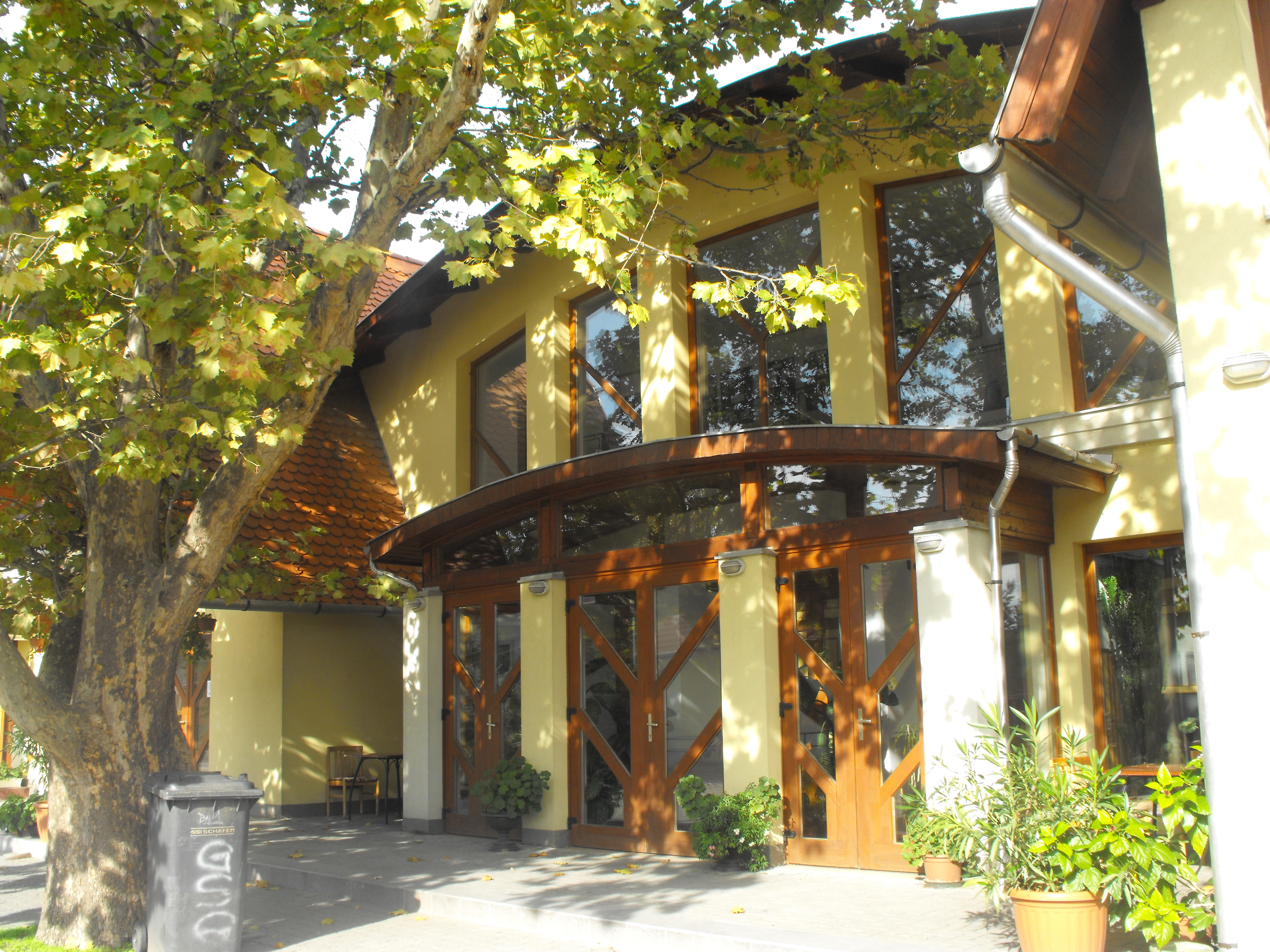
The settlement dating back to the Árpád Age was first recorded with the name Tapai in a document from 1138. It was a ferry crossing the Tisza that made Tápé known in the history of Hungary.

Ski instruction on our plastic slopes, for all ages.
The architect Ede Magyar was thirty in 1907, when he constructed Reök Palace, an exemplary piece of Hungarian secession.