Szeged City Rock Club
Information 6720 Szeged , Stefánia sétány 6. Tel.: +36-62/658-769, +36-30/381-8282 info@vrk.hu http://vrk.hu https://www.facebook.com/VarosiRockKlubSzeged/?locale=hu_HU



Information 6720 Szeged , Stefánia sétány 6. Tel.: +36-62/658-769, +36-30/381-8282 info@vrk.hu http://vrk.hu https://www.facebook.com/VarosiRockKlubSzeged/?locale=hu_HU
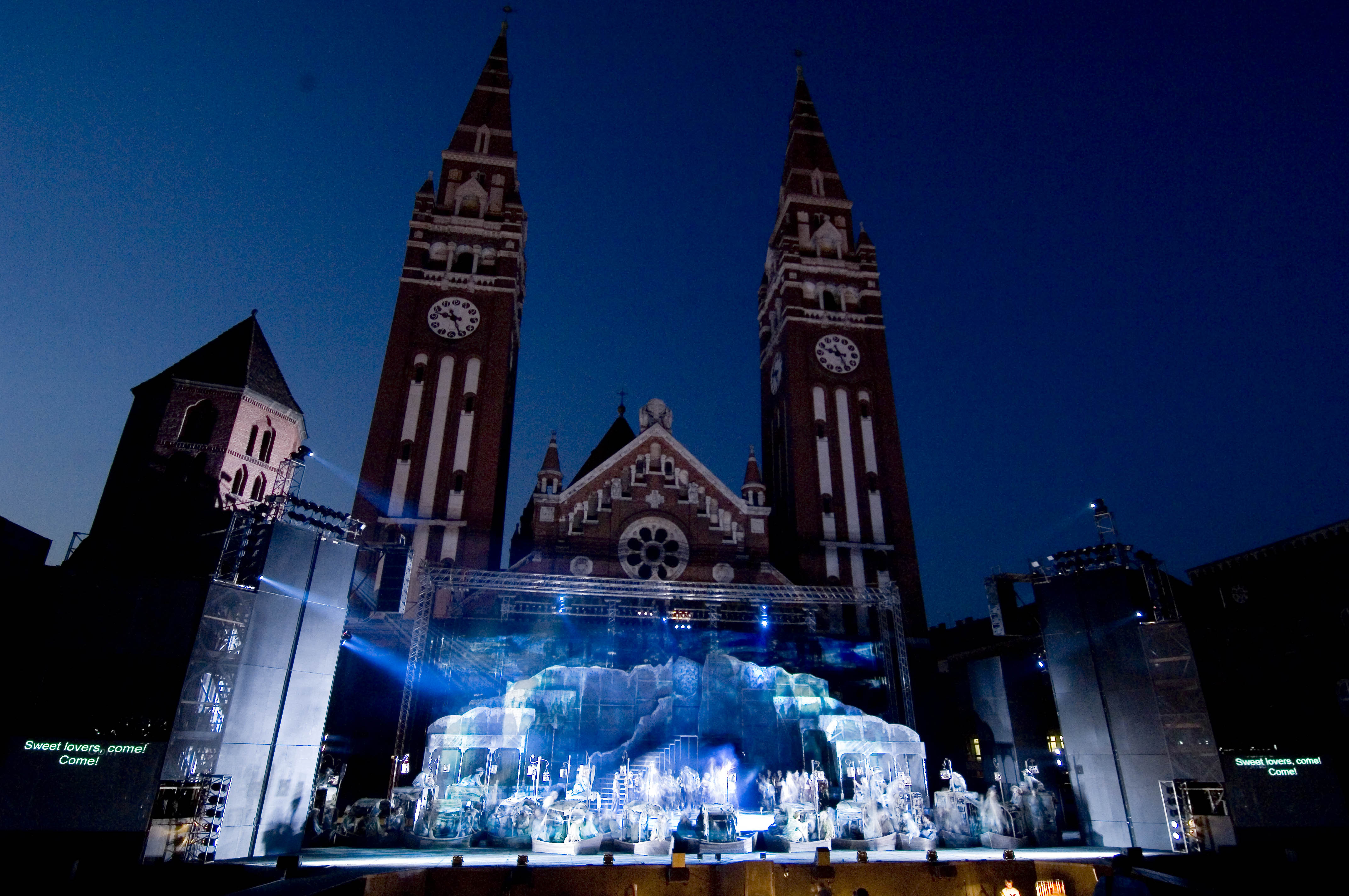
The idea was first proposed in 1926 by Gyula Juhász, a poet then living in Szeged. A number of renowned representatives of cultural and political life adopted the idea. The…

Szeged Cathedral Visitor CenterAs a candidate for the Museum of the Year 2020 award, the Szeged Cathedral Visitor Center awaits its visitors with numerous tourist attractions. Among its permanent programs,…
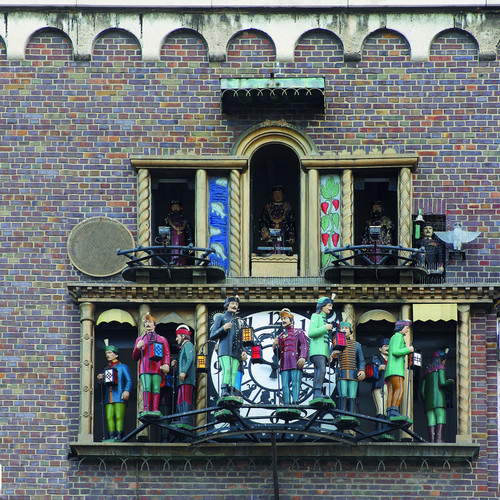
The tunes of this unique piece of art by watchmaker Ferenc Csúri could be first heard at the Open Air Festival in 1936.
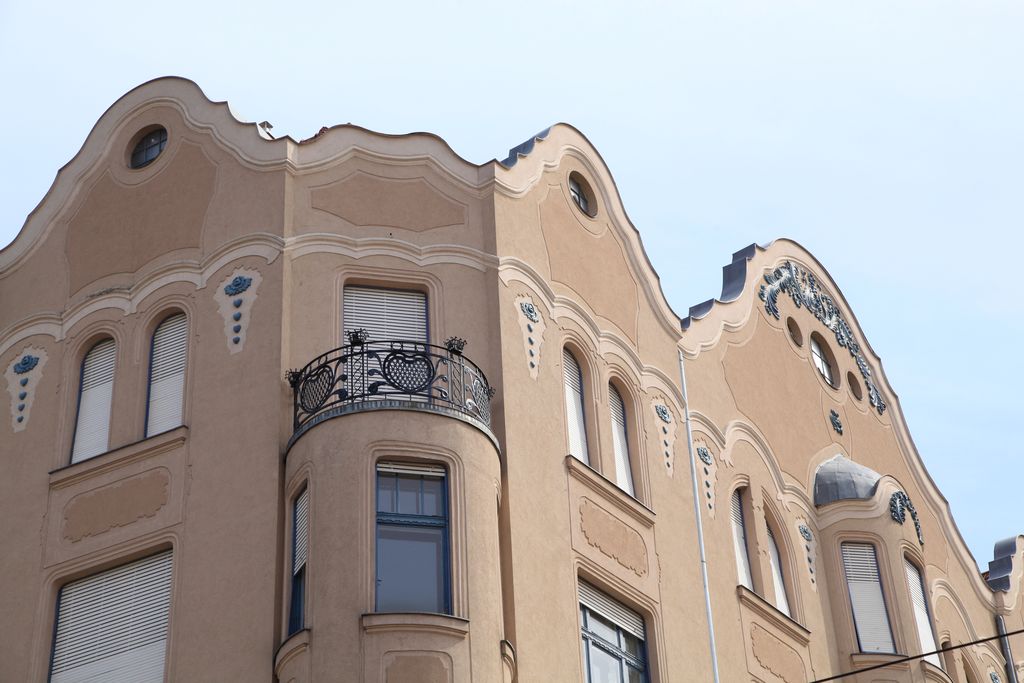
The secessionist style, four-storey historic building stands on the southern side of Saint Steven Square.
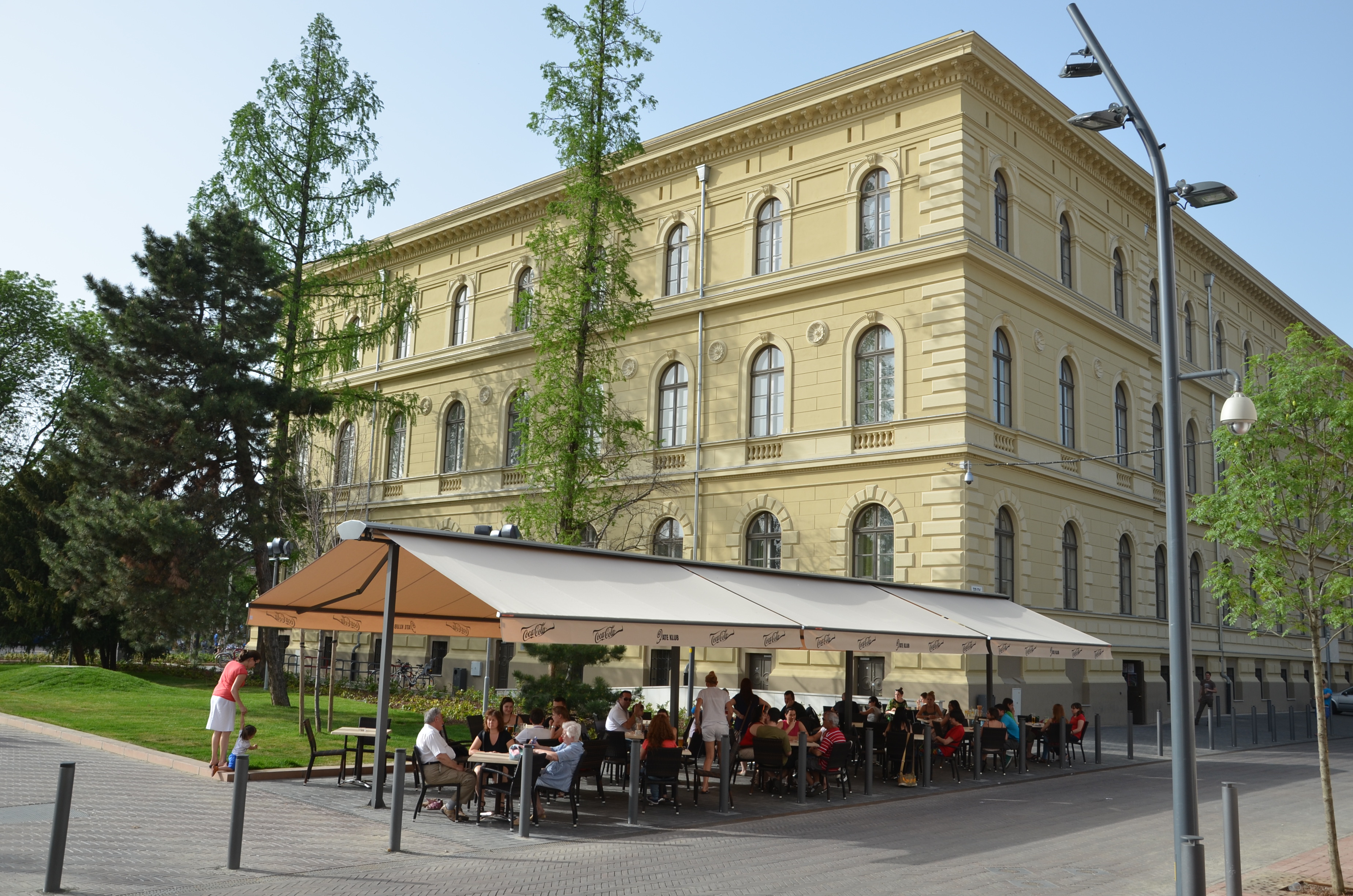
The popular entertainment venue for university students in Szeged opened its doors in March 1973 as the club of the József Attila University.
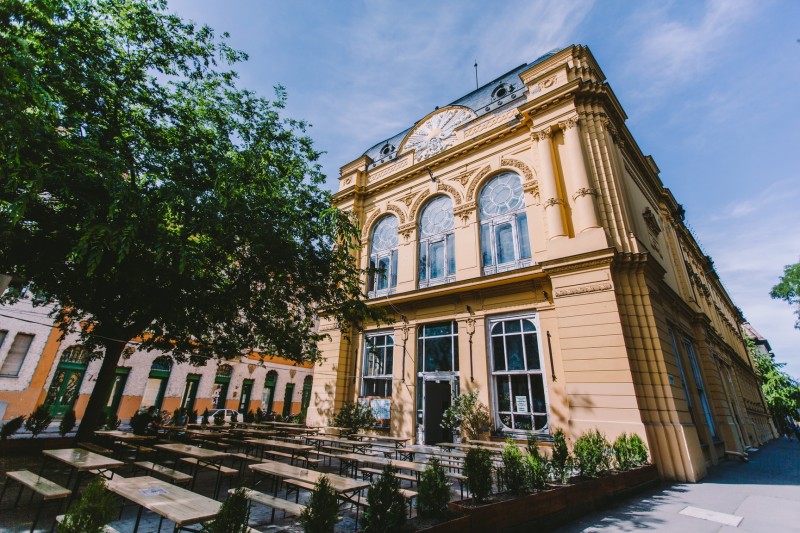
Café, Pub, Bistro In the rush of everyday life, would you like to enjoy a nice coffee with a fresh croissant in a friendly environment? Would you like to share…
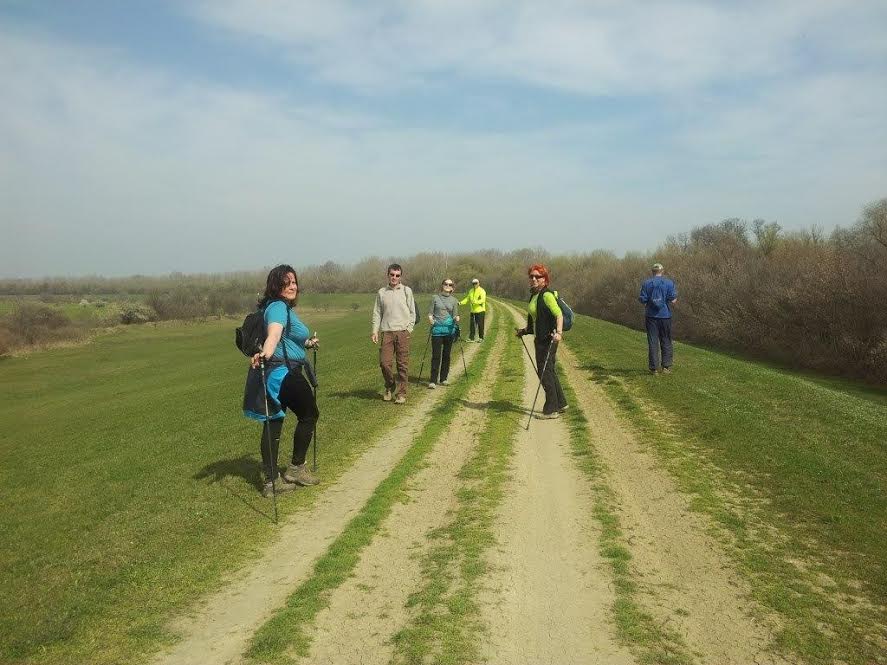
I’m Mária Kocsis, I’ve been teaching Nordic Walking since 2009, organizing tours, giving information and lectures. Thanks to my physical education teacher’s degree and a coincidence – which, of course,…

There are many opportunities for water adventures on the Tisza. Here, for example, you can go kayaking, sailing, and dragonboating.
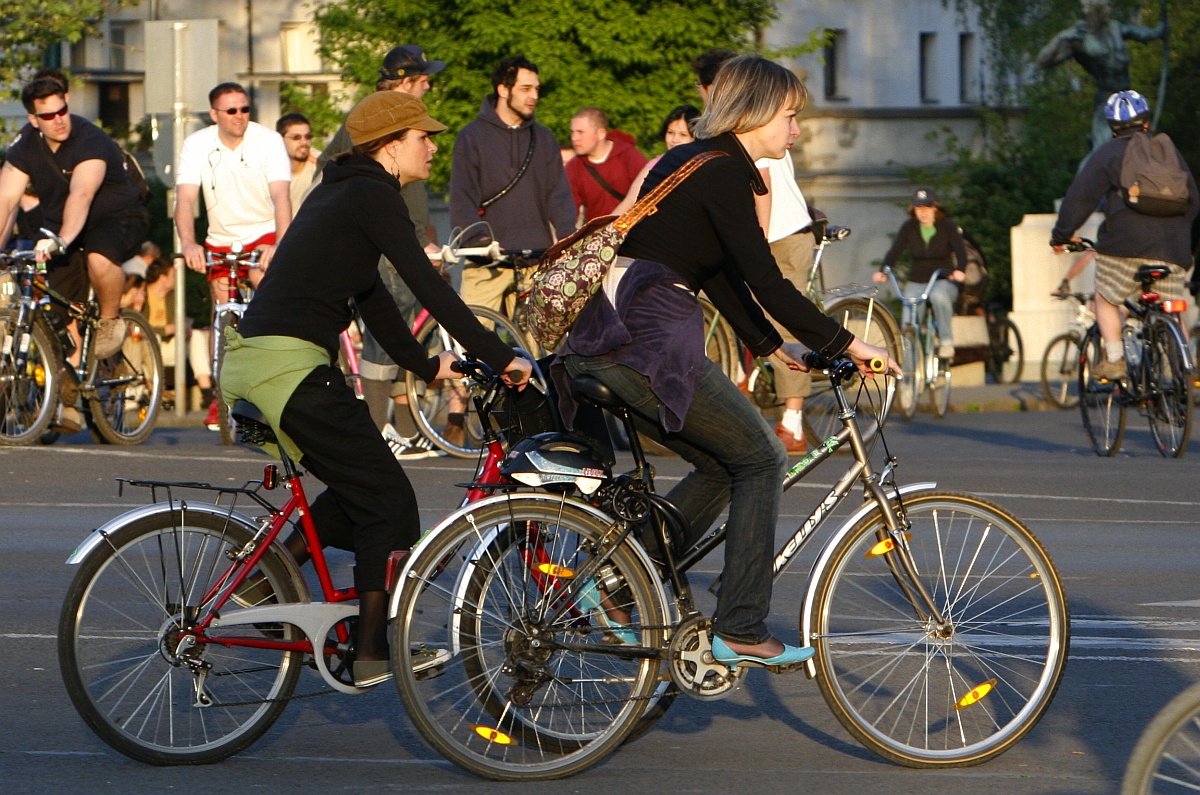
Rent a bike and explore the most beautiful parts of the city, or enjoy the beauty of the surrounding nature in the fresh air!
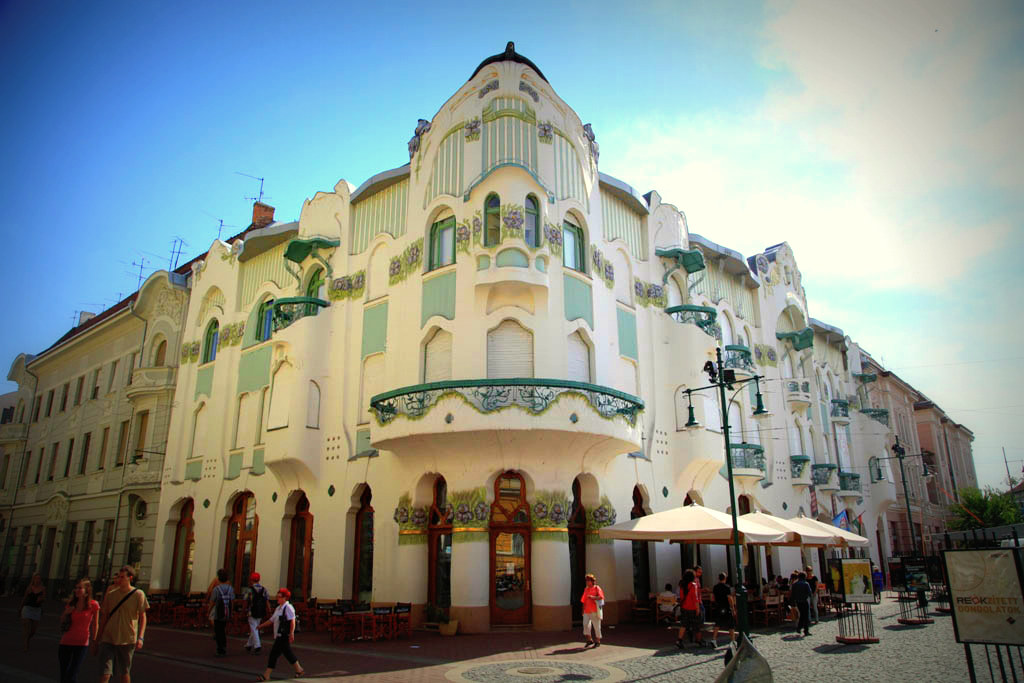
The architect Ede Magyar was thirty in 1907, when he constructed Reök Palace, an exemplary piece of Hungarian secession.
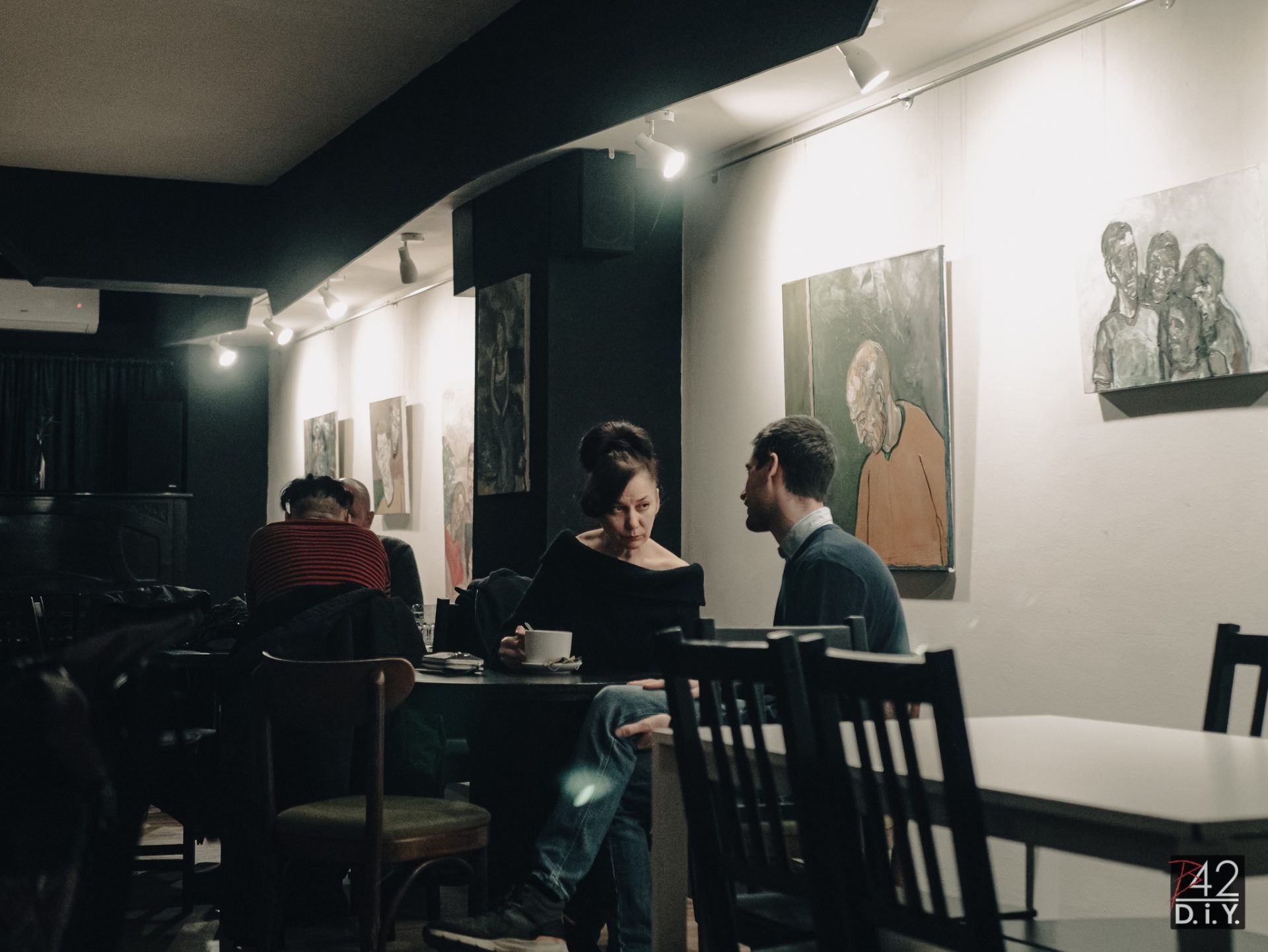
The Grand Café is not only a cinema, but also a café, as the name suggests, where you can always drink a delicious coffee, beer or wine before or after the cinema or – horribile dictu – instead.
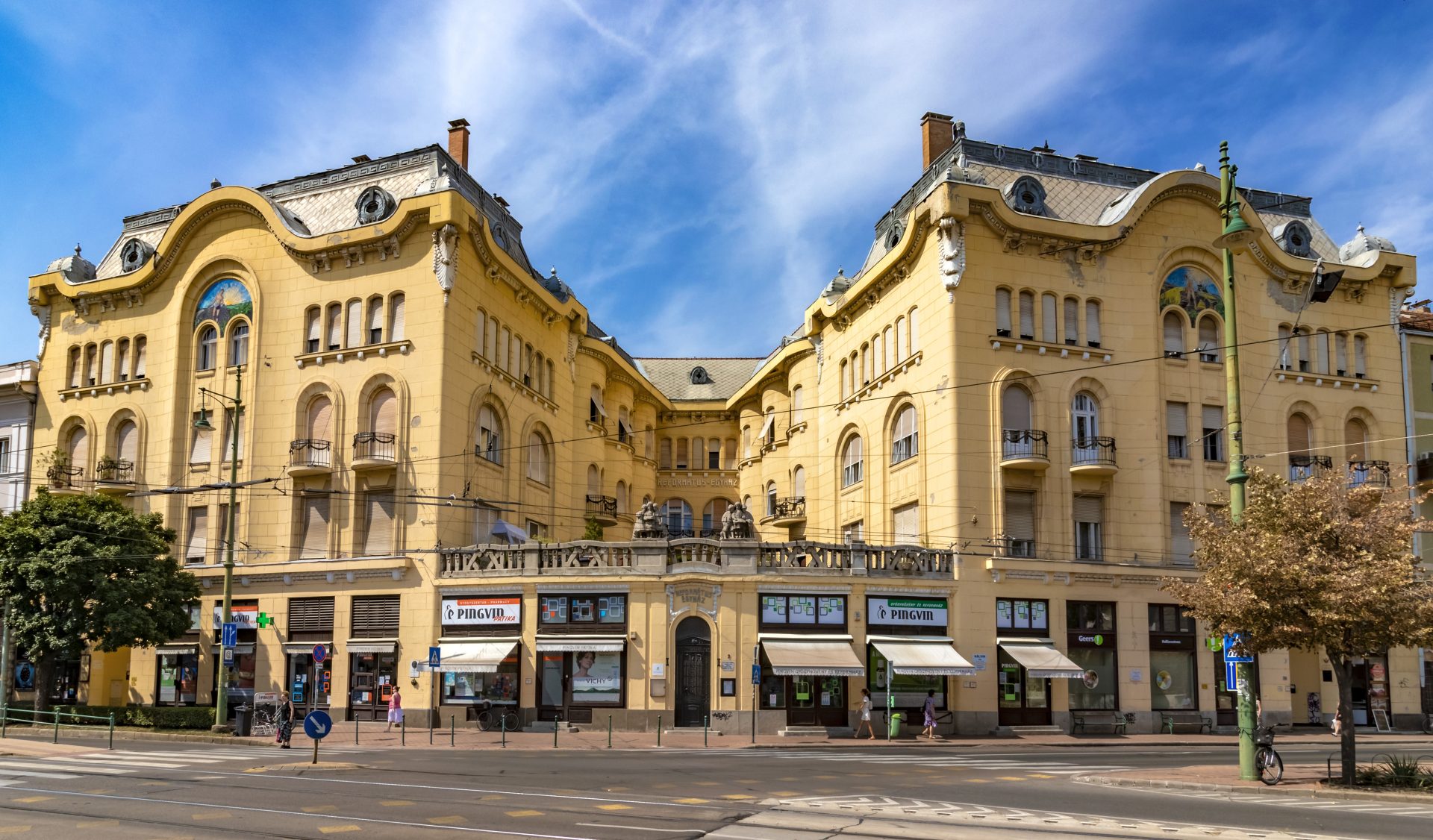
he palace attracts our attention mainly owing to its position in the cityscape and of course, to its spectacular facade as well as to its unusual siting.

The Nobel portrait plaque representing Katalin Karikó’s Nobel Prize can be seen on permanent display in the exhibition space of the Attila József Study and Information Center of SZTE. As…
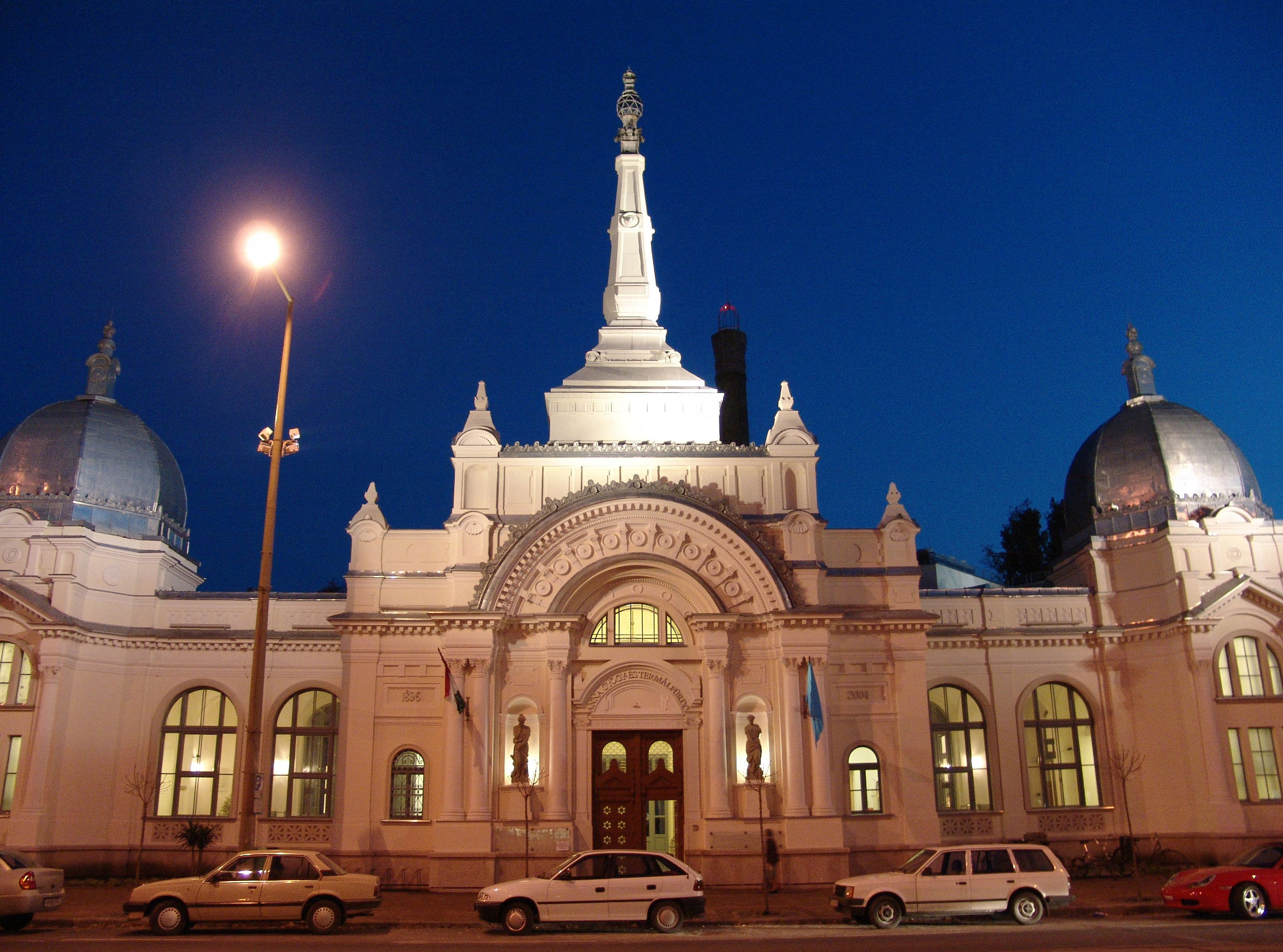
The white-walled eclectic style building in Tisza Lajos Boulevard, reflecting Oriental effects, designed by Antal Steinhardt and Adolf Lang, was built in 1896. Originally it functioned as a city public bath. It took its name from the nearby artesian well drilled in 1927 and its water.
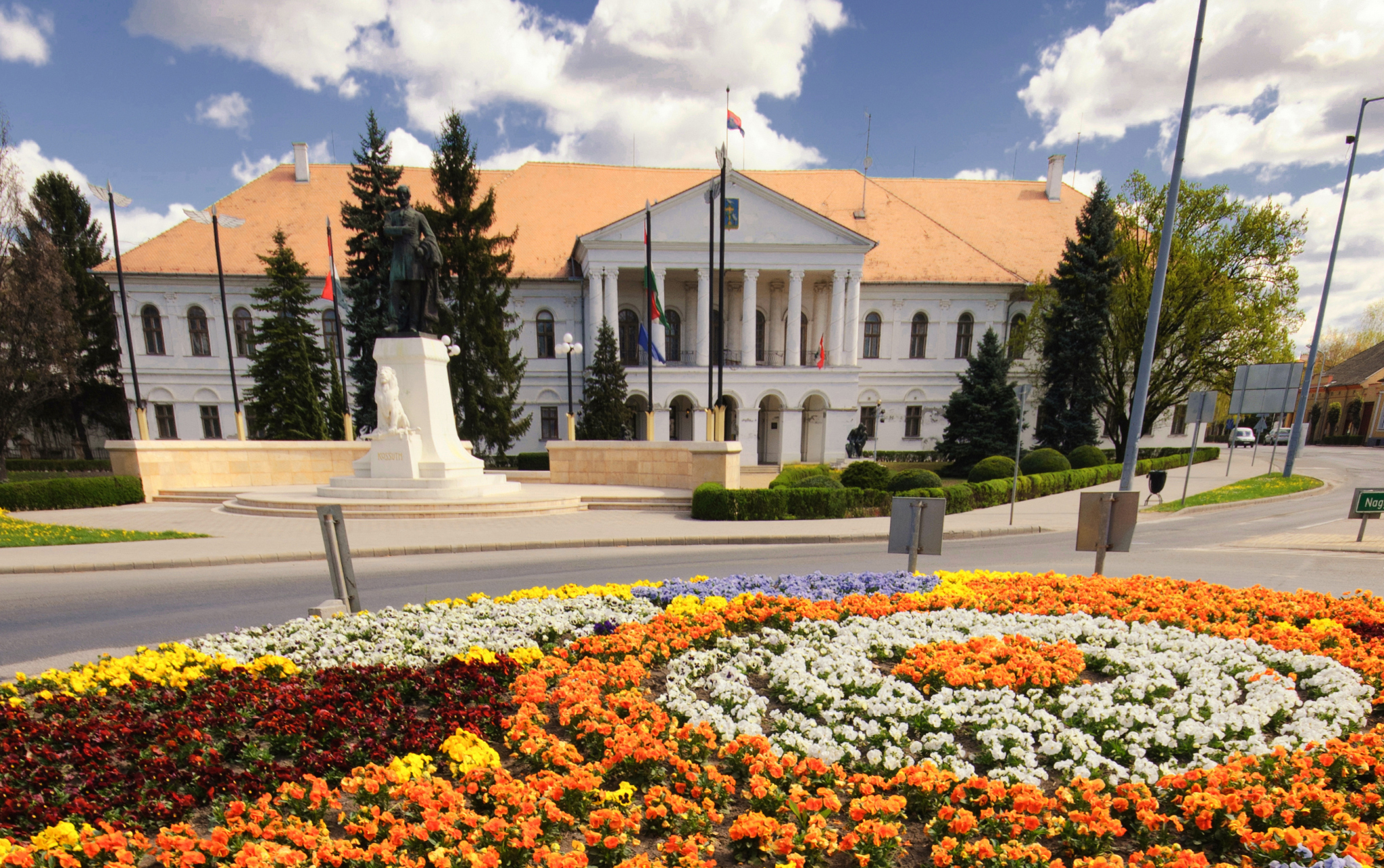
The first development of the town took place in the second half of the 13th century when a member of the Csanad family was the landlord of the territory where Makó lies today.

Get yourself pumped up in the gyms of Szeged.
The architect Ede Magyar was thirty in 1907, when he constructed Reök Palace, an exemplary piece of Hungarian secession.
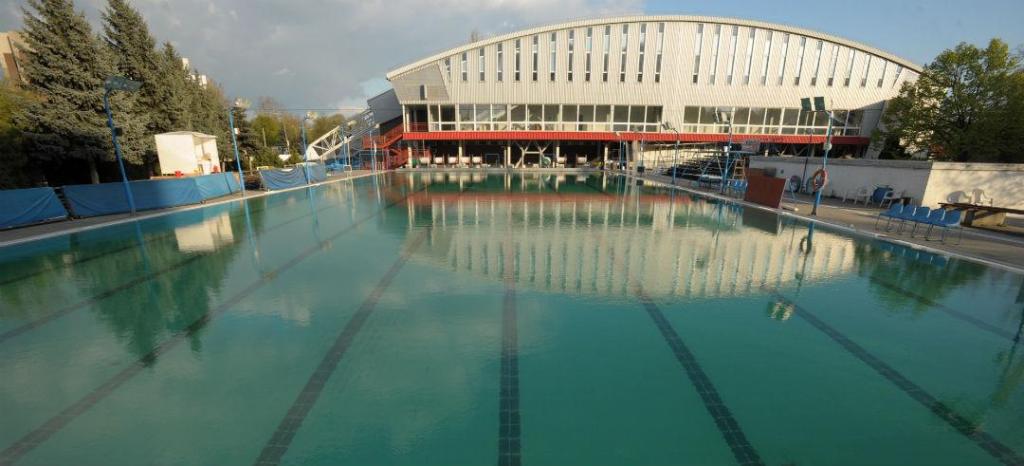
The Sport Swimming Pool is located on the Újszeged district of the town, it’s easily accessable with a ten-minutes walk from the downtown. The 50 m pool is open-air in summer time and topped throughout the winter. It provides a training and competitive area for various sports clubs.
Everey day of the week the pool is opened for evening swimming.

Since the era of Maria Theresa, corps, barracks have always been present in Szeged but unfortunately, there are no active corps presently. Thus, the young people, the future generations and the tourists cannot see the beauties of military life at close quarters.
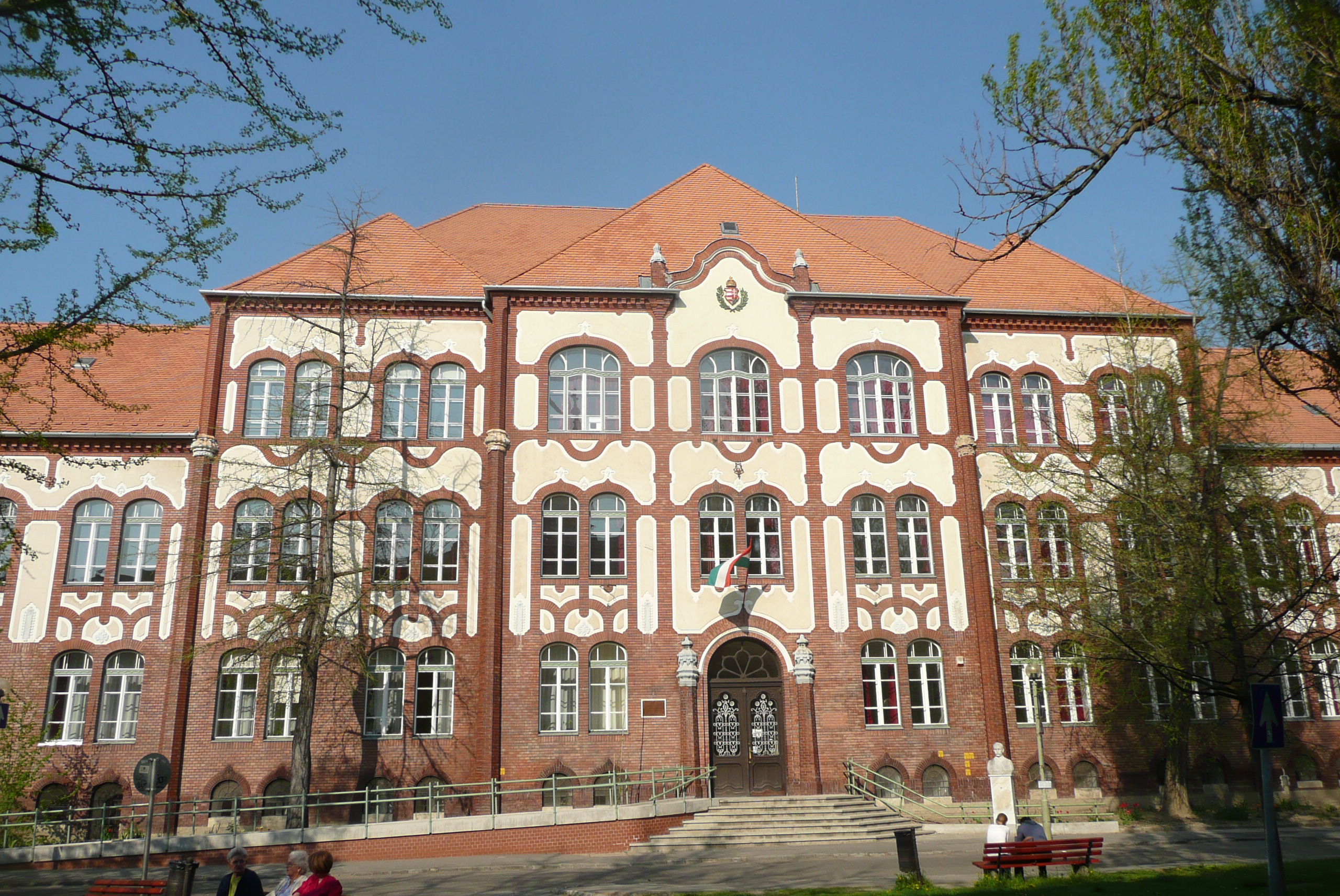
It is a late Art Nouveau, 2-storey building in whose facade, formed as an arched ridge, the stylish and moderate application of brick-facing and striped ornaments deserves our attention.
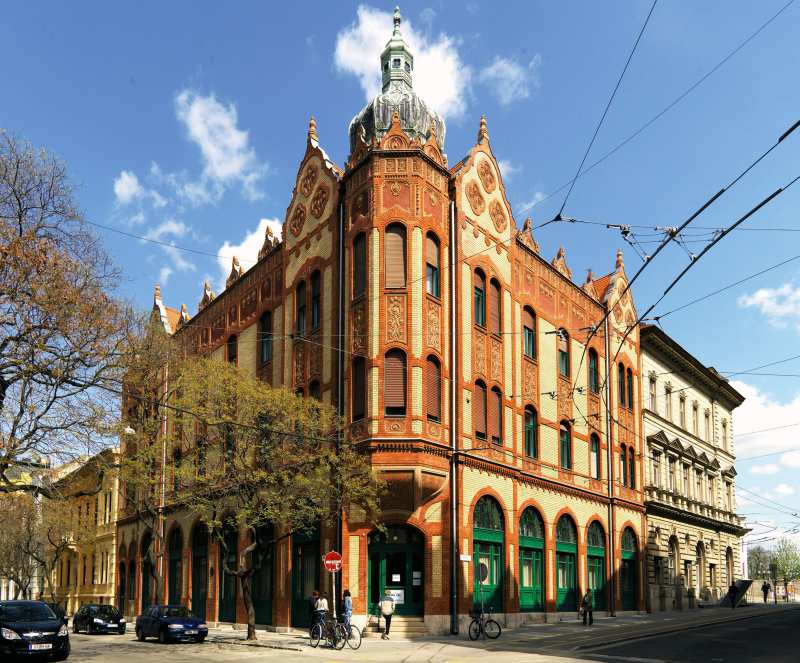
The Beregi House is one of the gems in the splendid row of palaces of the Szeged’s cityscape, which primarily is an extraordinary example of the brick architecture and Art Nouveau architectural school.
Choose from the many game options if you want to make your visit to the city more exciting.
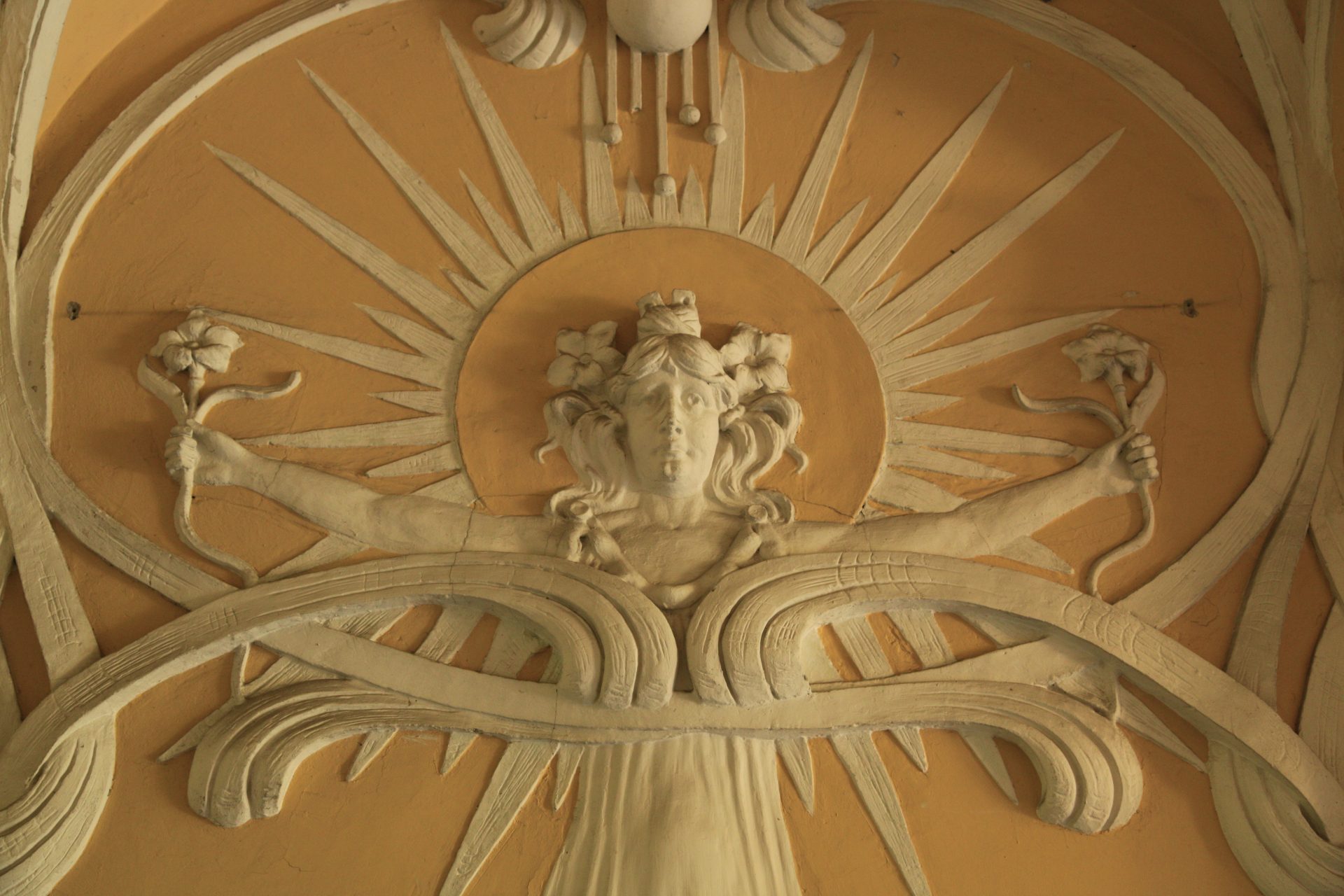
Today nobody would think that this undistinctive and characterless apartment house once was one of the most remarkable buildings of the Szeged Art Nouveau.
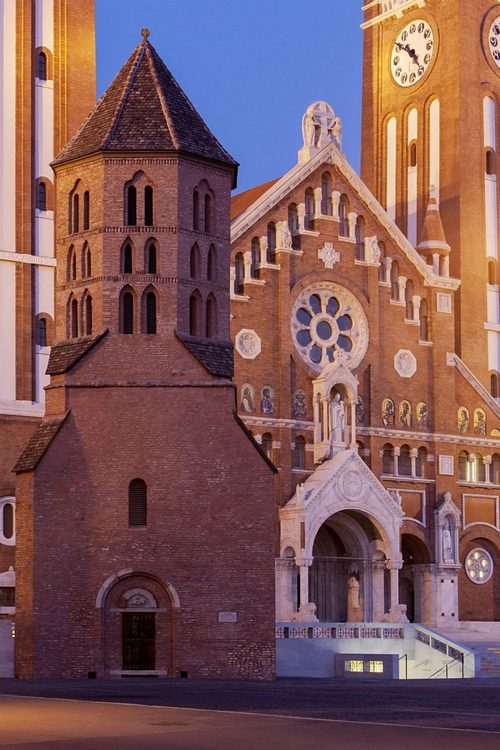
Outside the Votive church stands the Saint Demetrius Tower, the oldest architectural relic of the city.
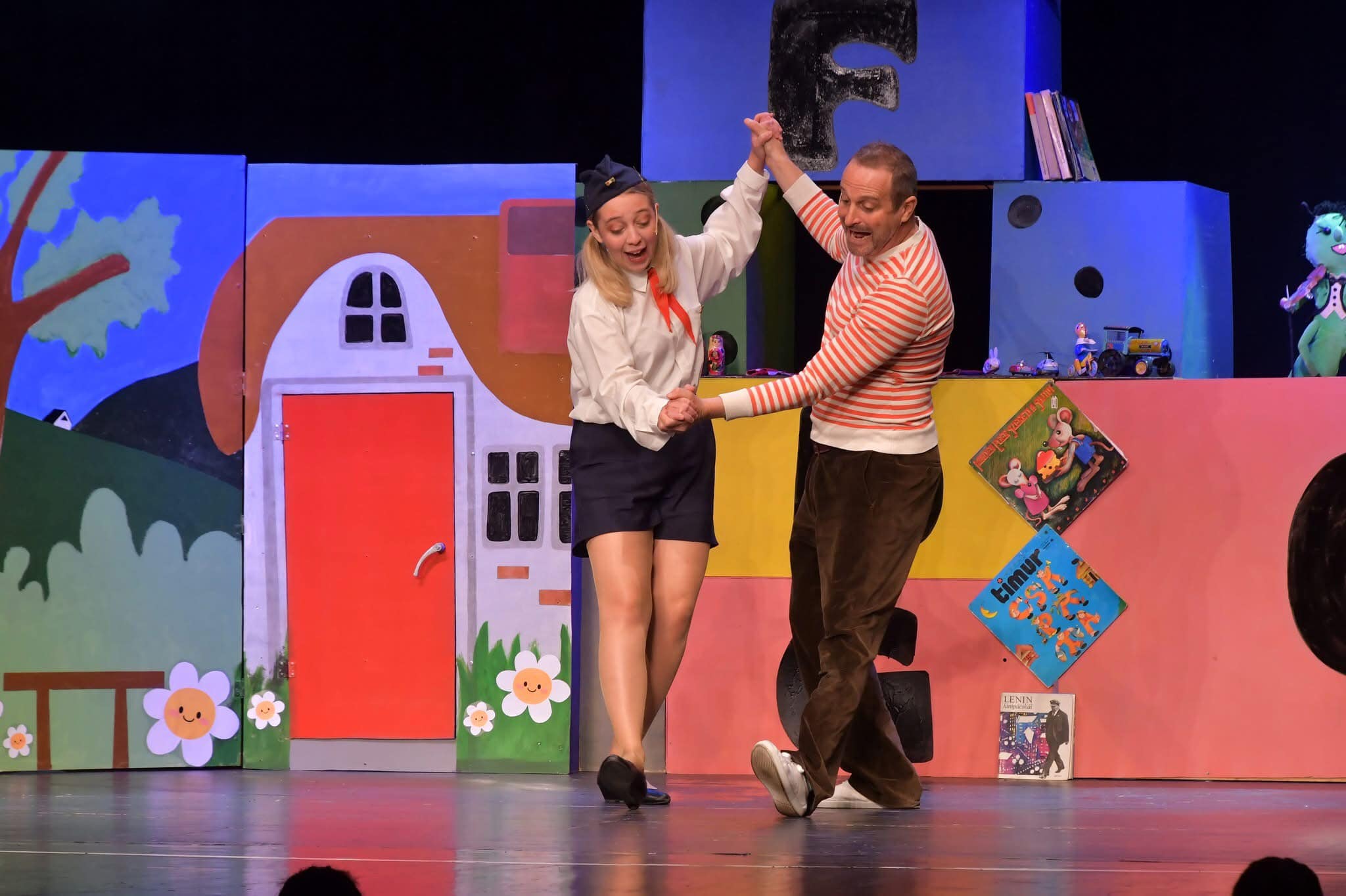
Information 6720 Szeged, Dugonics tér 2. Tel.: +36 30/ 606 7337 Tel.: +36 30/ 998 6172 pinceszinhaz@invitel.hu titkarsag.pincesz@invitel.hu www.szegedipinceszinhaz.hu
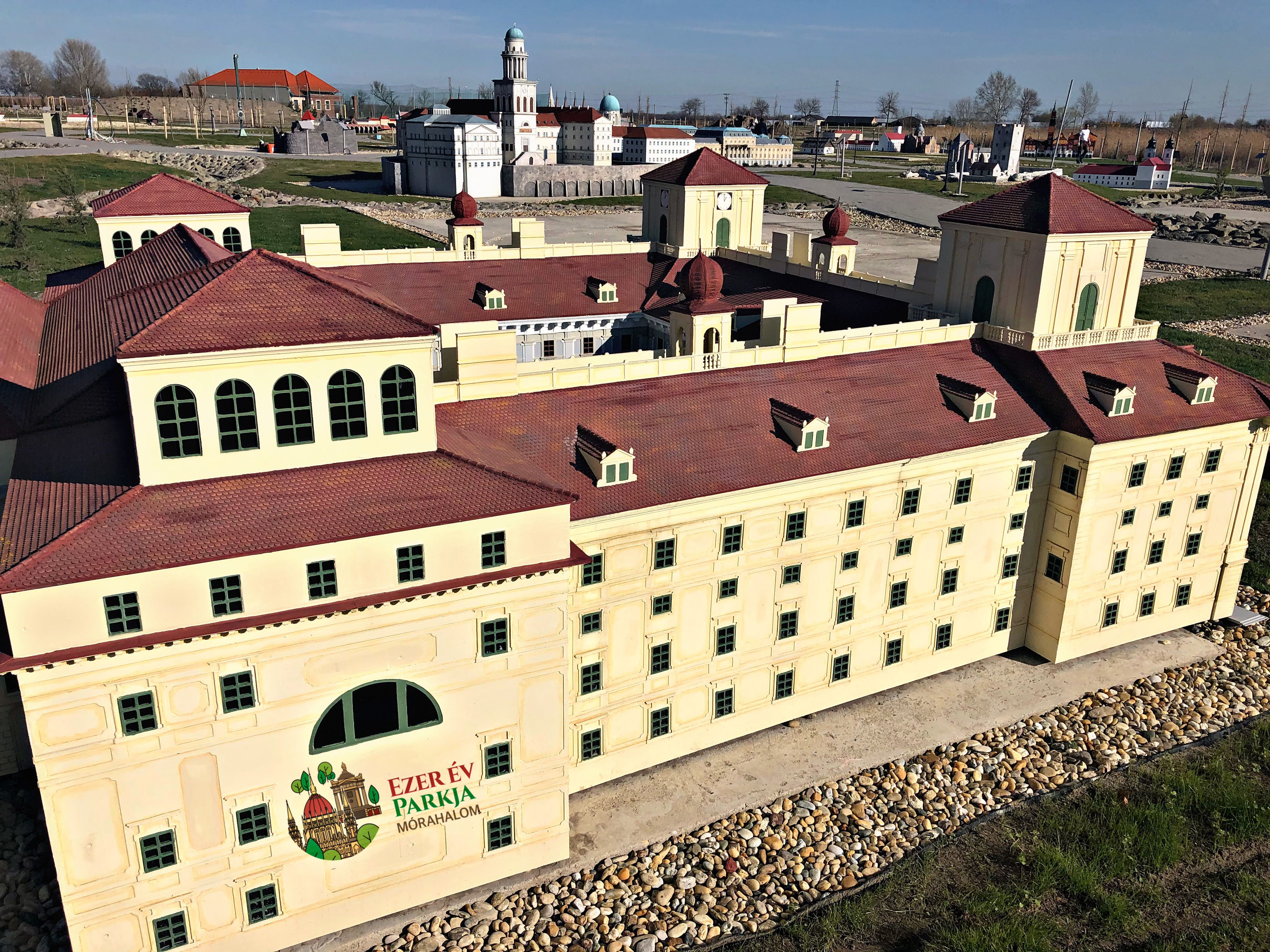
As for Mórahalom… A guest in the house is a pleasure in the house – so the saying goes. We, the people of Mórahalom, are hospitable people. We have something…
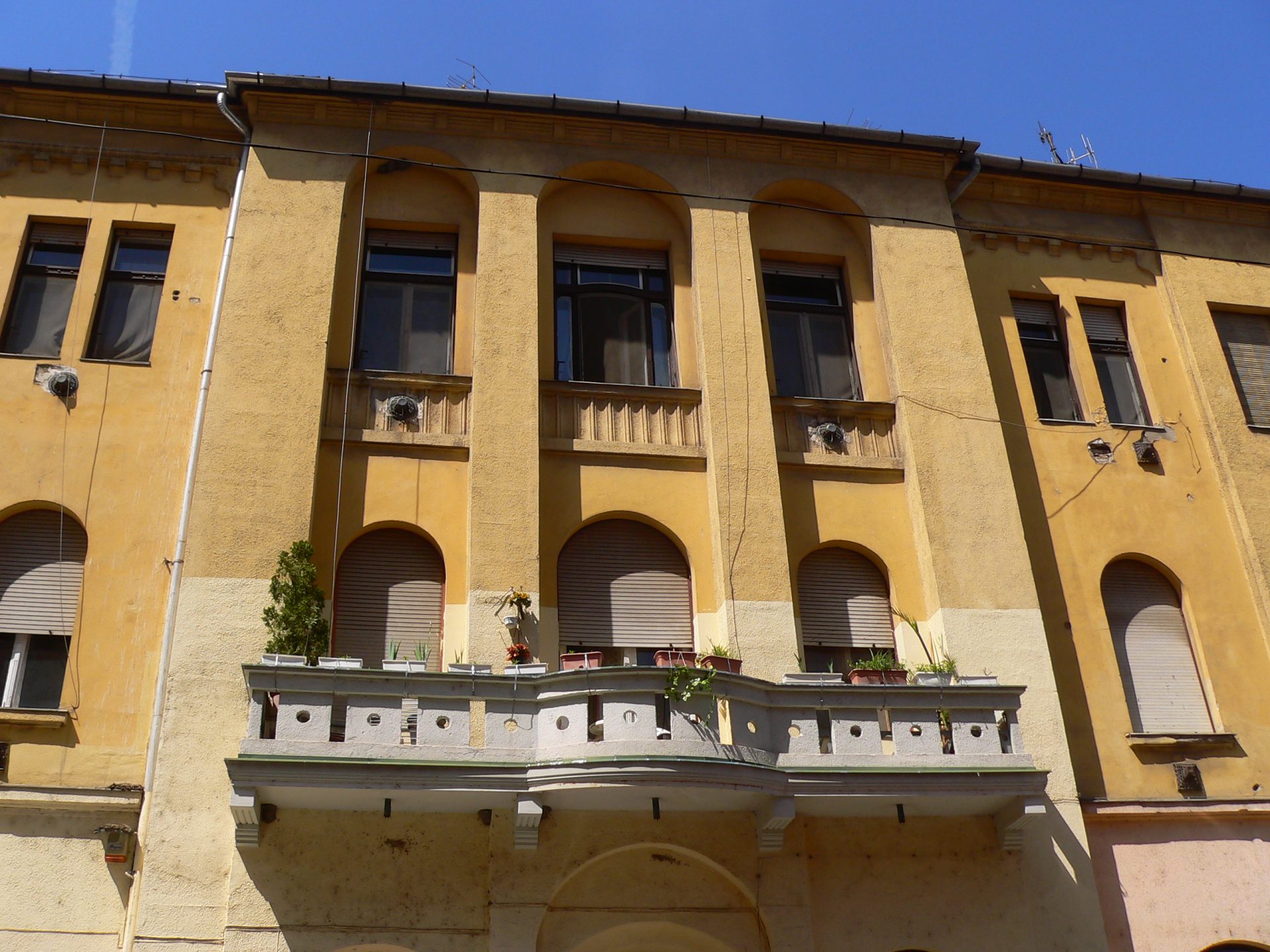
The current sight of the Schäffer Palace confronts us indeed with how much Szeged’s cityscape lost when in the 1920s, the house owners, complaining about the costly maintenance, almost totally…

Situated in Alsóváros, Szeged, the monastery and the church together form Hungary’s second largest church complex, keeping its original function.
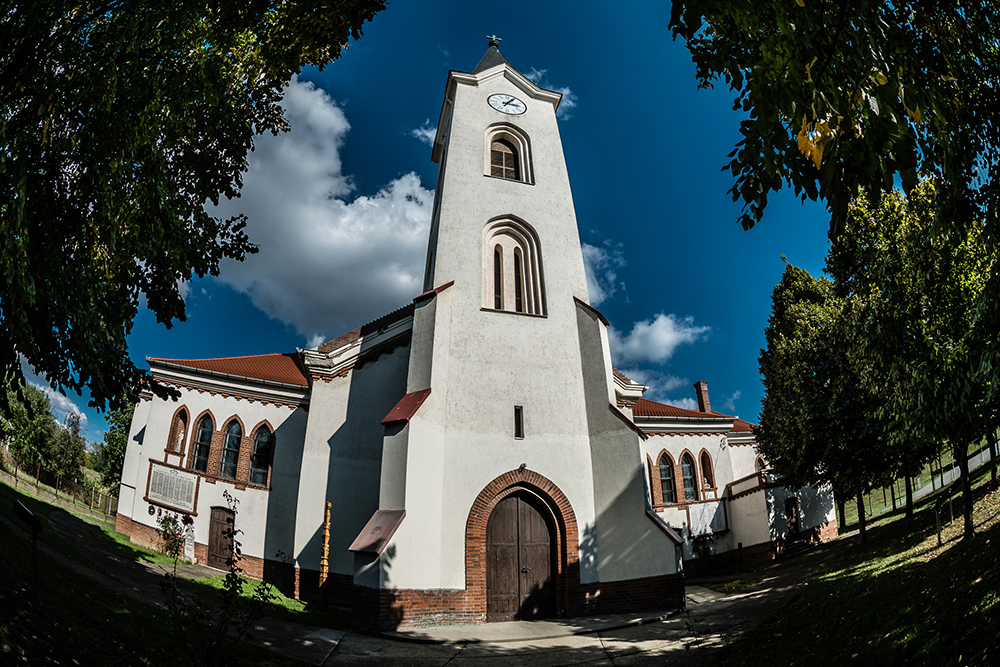
Algyő is a settlement in Csongrád-Csanád county, only 10km from Szeged, on the right bank of the Tisza. The national highway No. 47, which passes very close to Algyő, provides…
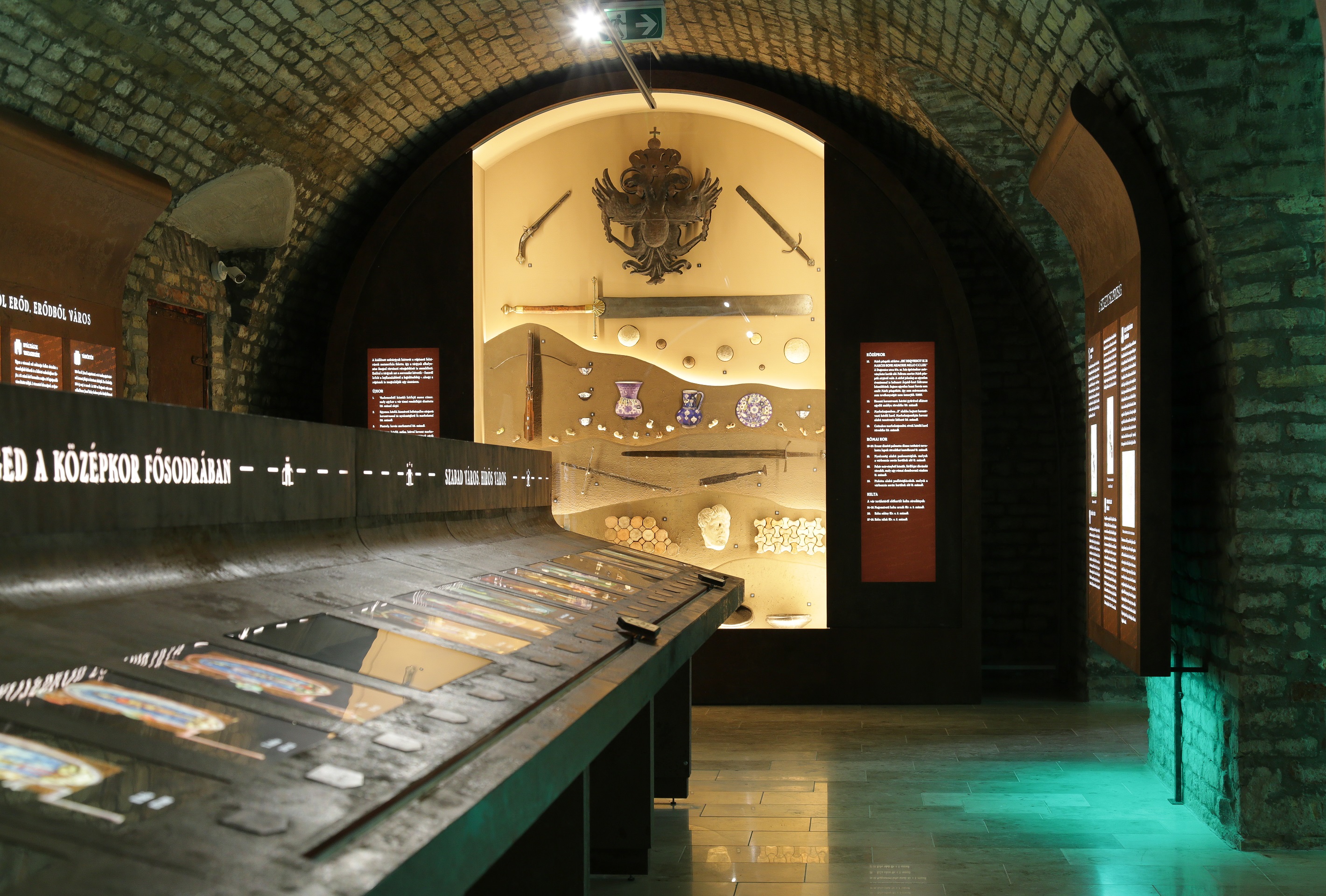
The fortress in Szeged was built in the second half of the 13th century, probably with the extension of the already existing fortress.
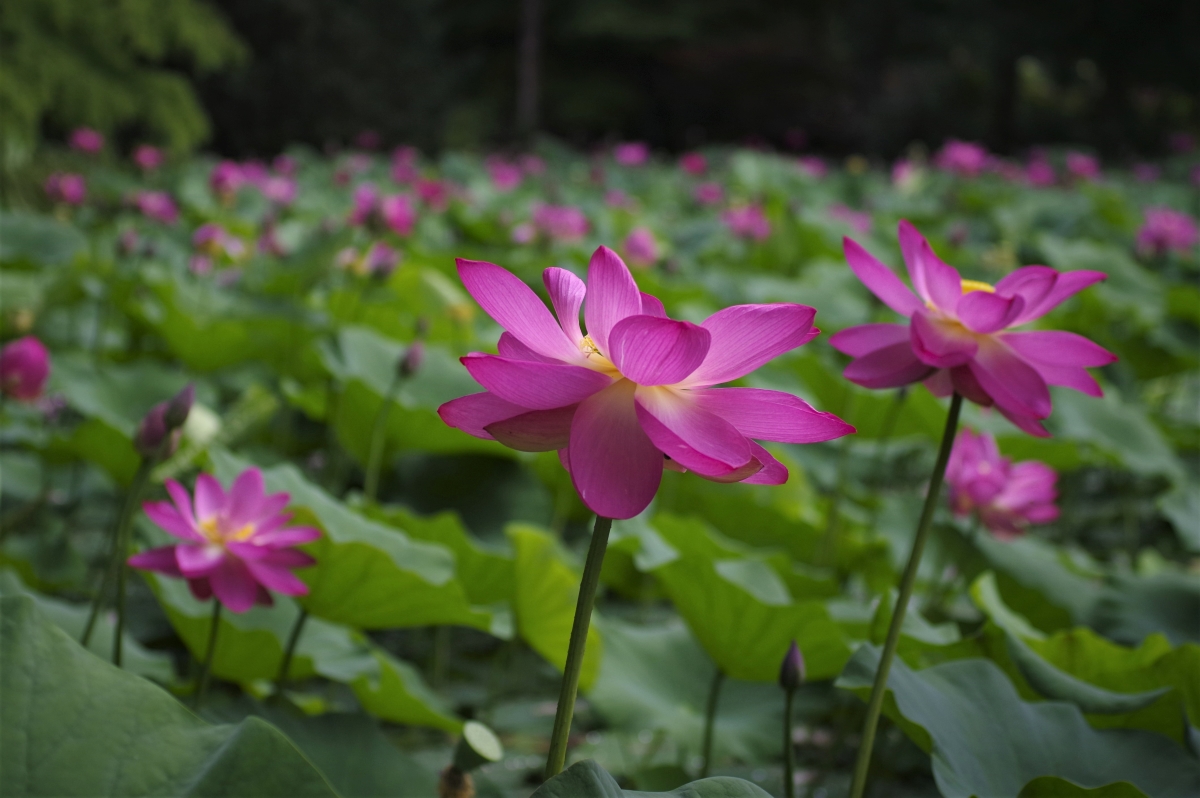
When the University of Kolozsvár moved to Szeged in 1922, the city donated a land of 20 kh to it to establish a botanical garden.
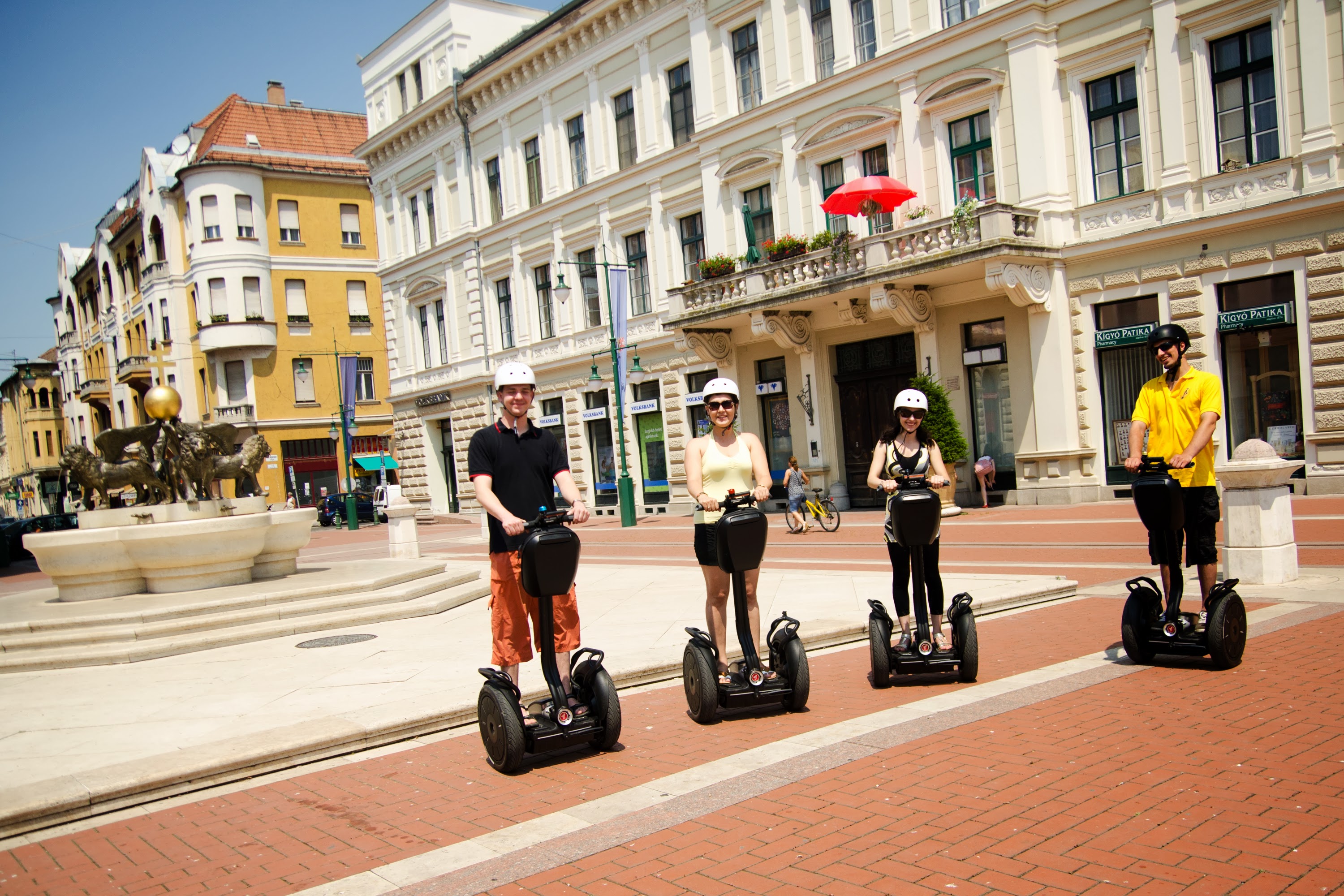
Let’s go full tear on dam in Szeged, or enjoy the modern technology and the historical old town’s atmosphere encounter!
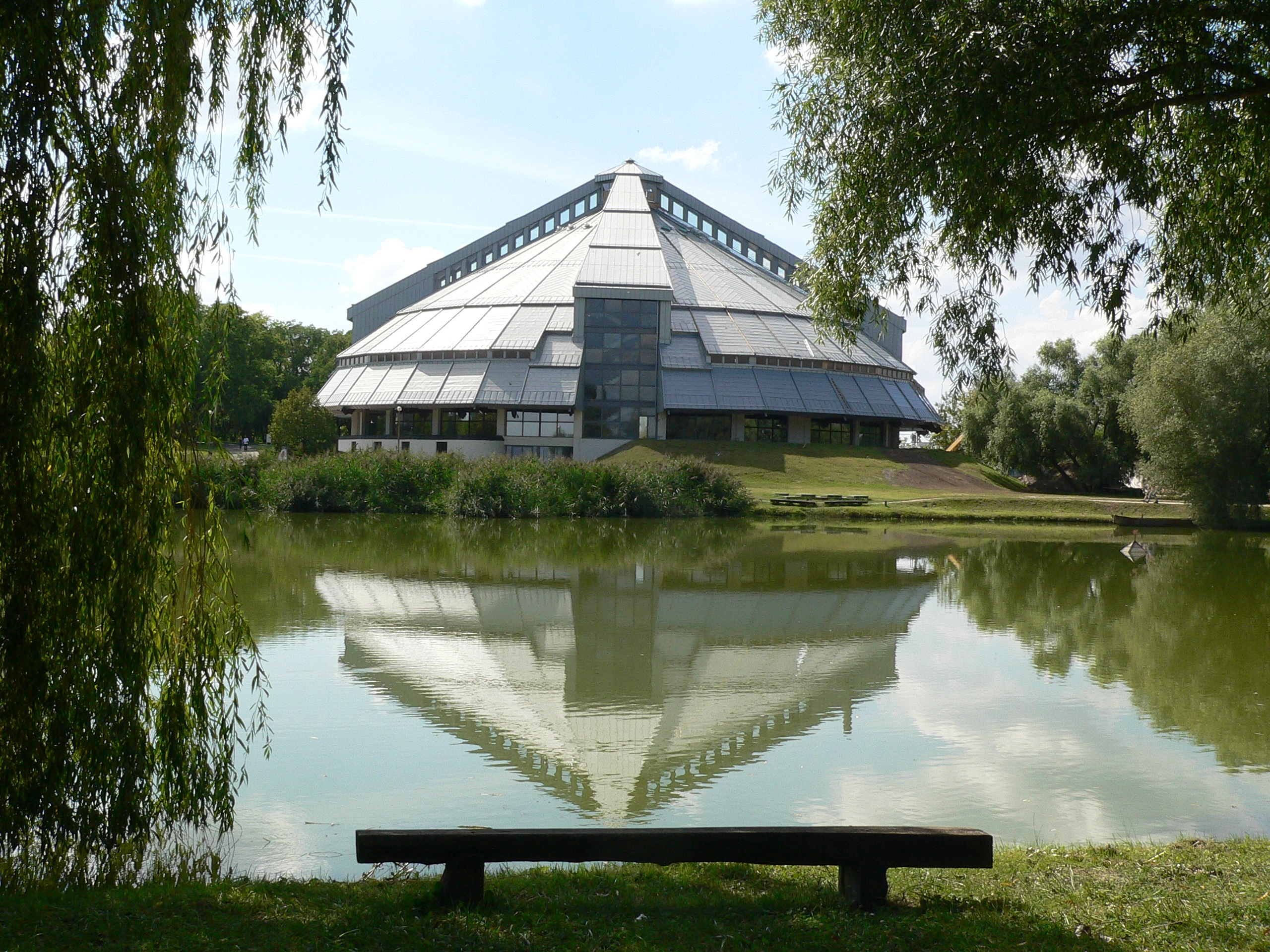
According to Hungarian historic tradition Ópusztaszer was the venue for the first parliament and lawmaking session.
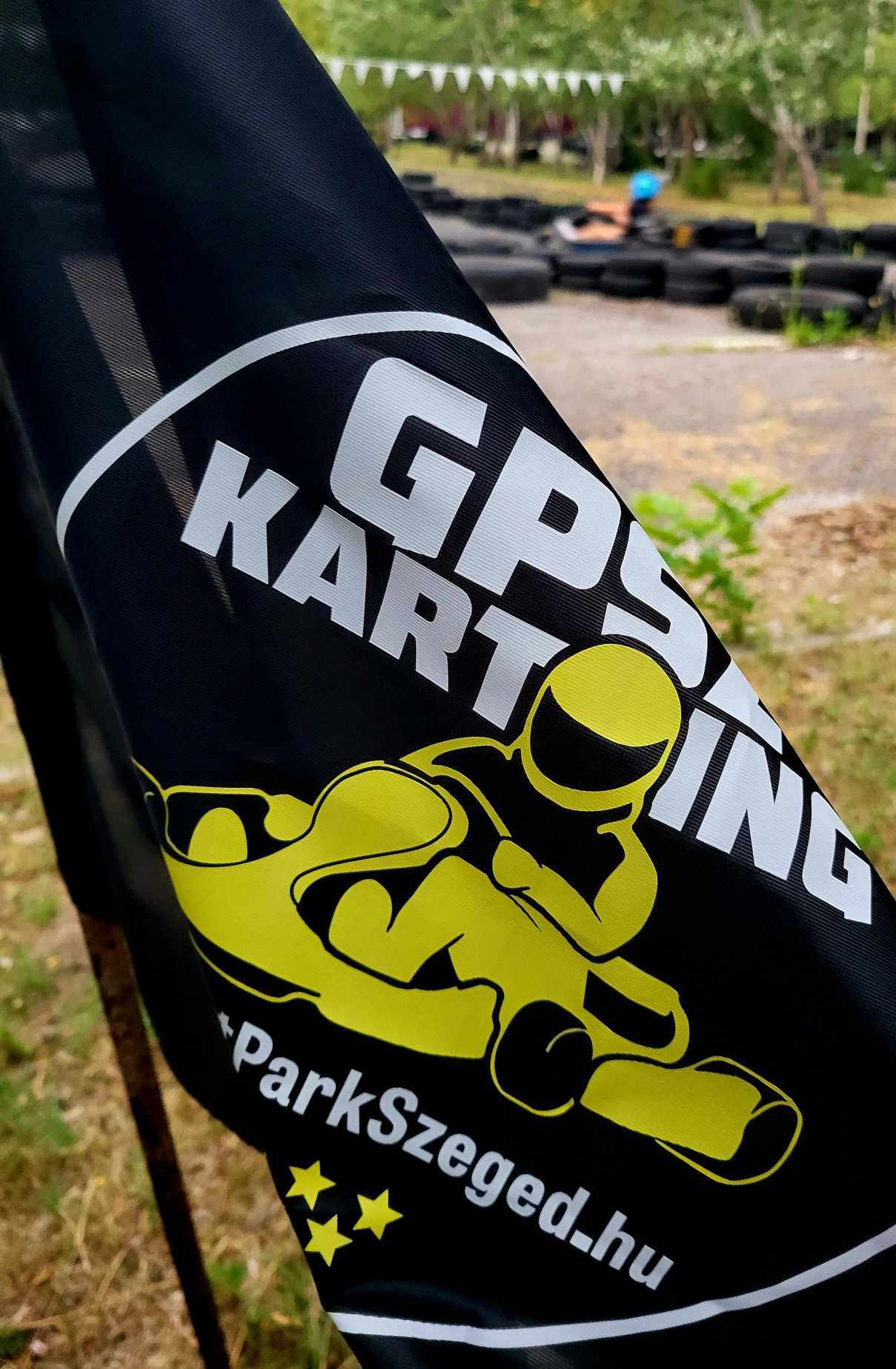
Lovers of speed can relax here without forgetting.

The town, located 12 km northwest to Szeged, was founded on the area donated to the victims of the Great Flood of 1879 from Algyő by marquis Sándor Pallavicini.
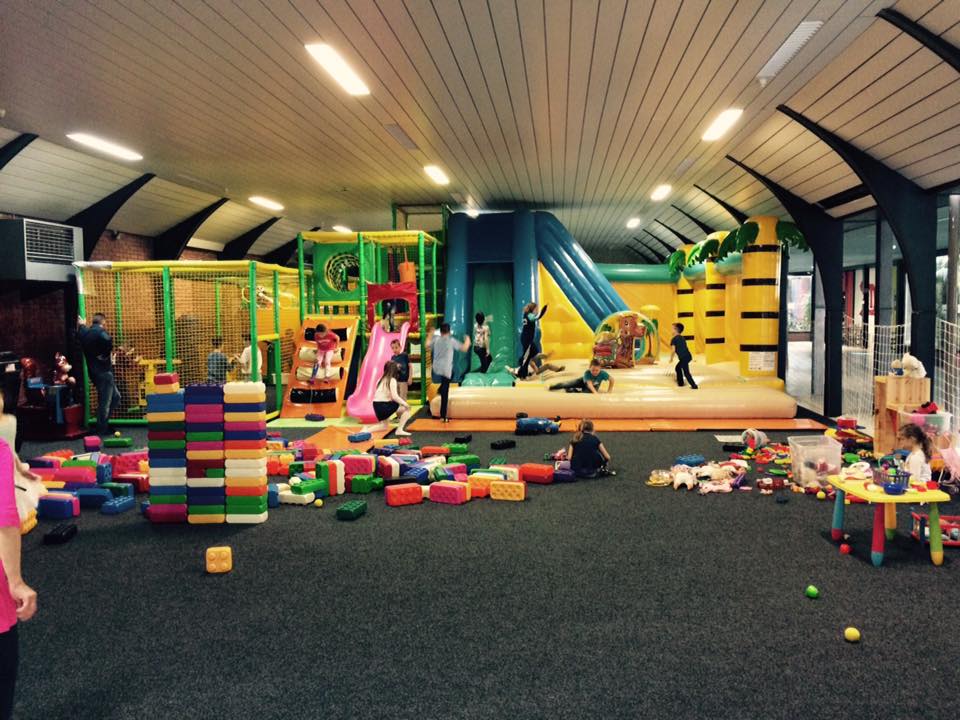
Játékdzsungel Játszóház Our renovated Playhouse offers new services for children. Among other things, we have a giant slide, a mini football pitch and a new playground. You can book your…
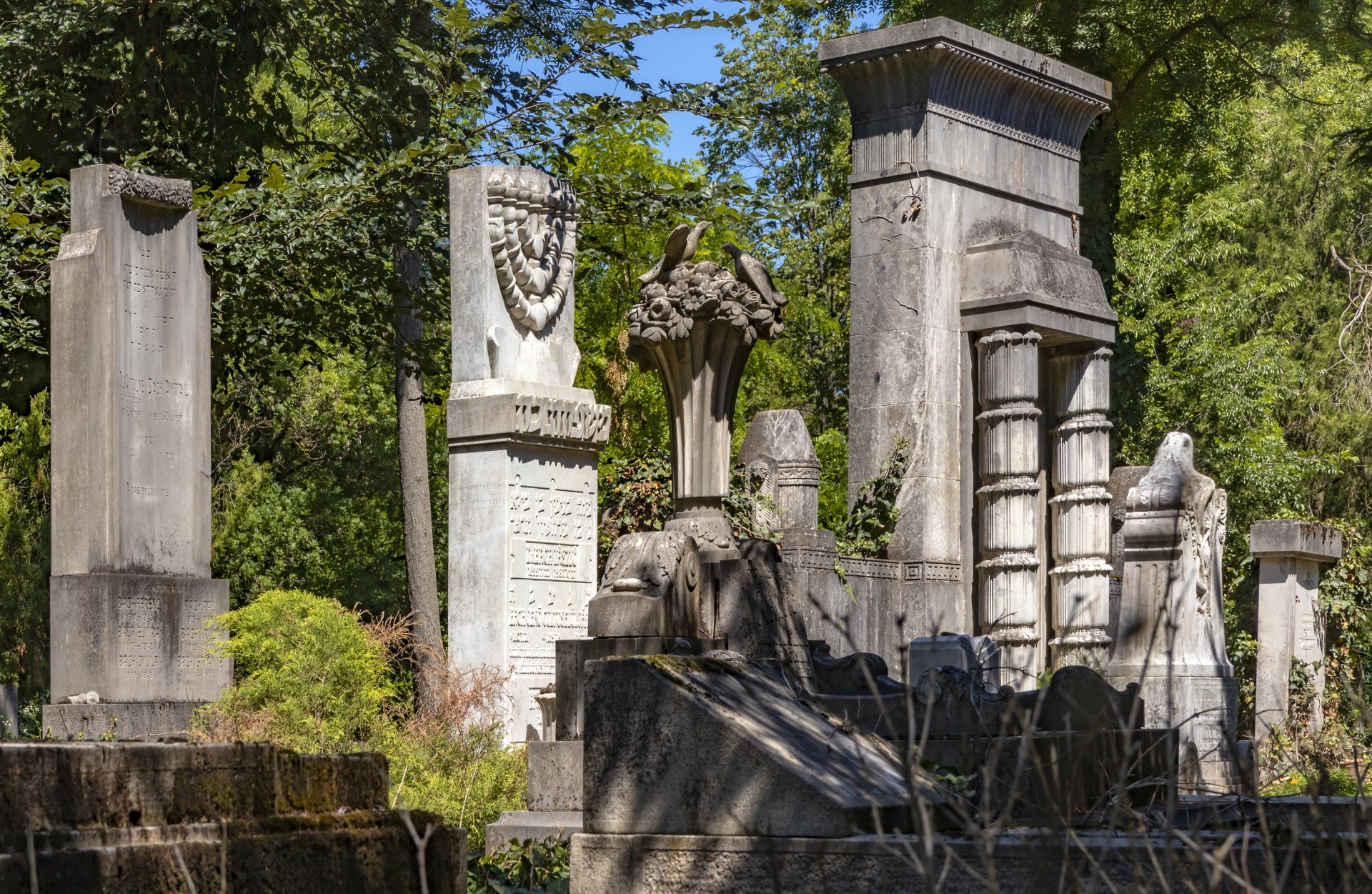
The Jewish cemetery in Szeged is a special place of the Jewish community that once lived here and still lives here today. Its history, gravestones and monuments reflect the culture,…

The dwelling house of two upper vocational school teachers on Lechner Square exemplifies excellently that the novel spirit of the Art Nouveau inspiringly influenced the attitude of the contemporary middle class.
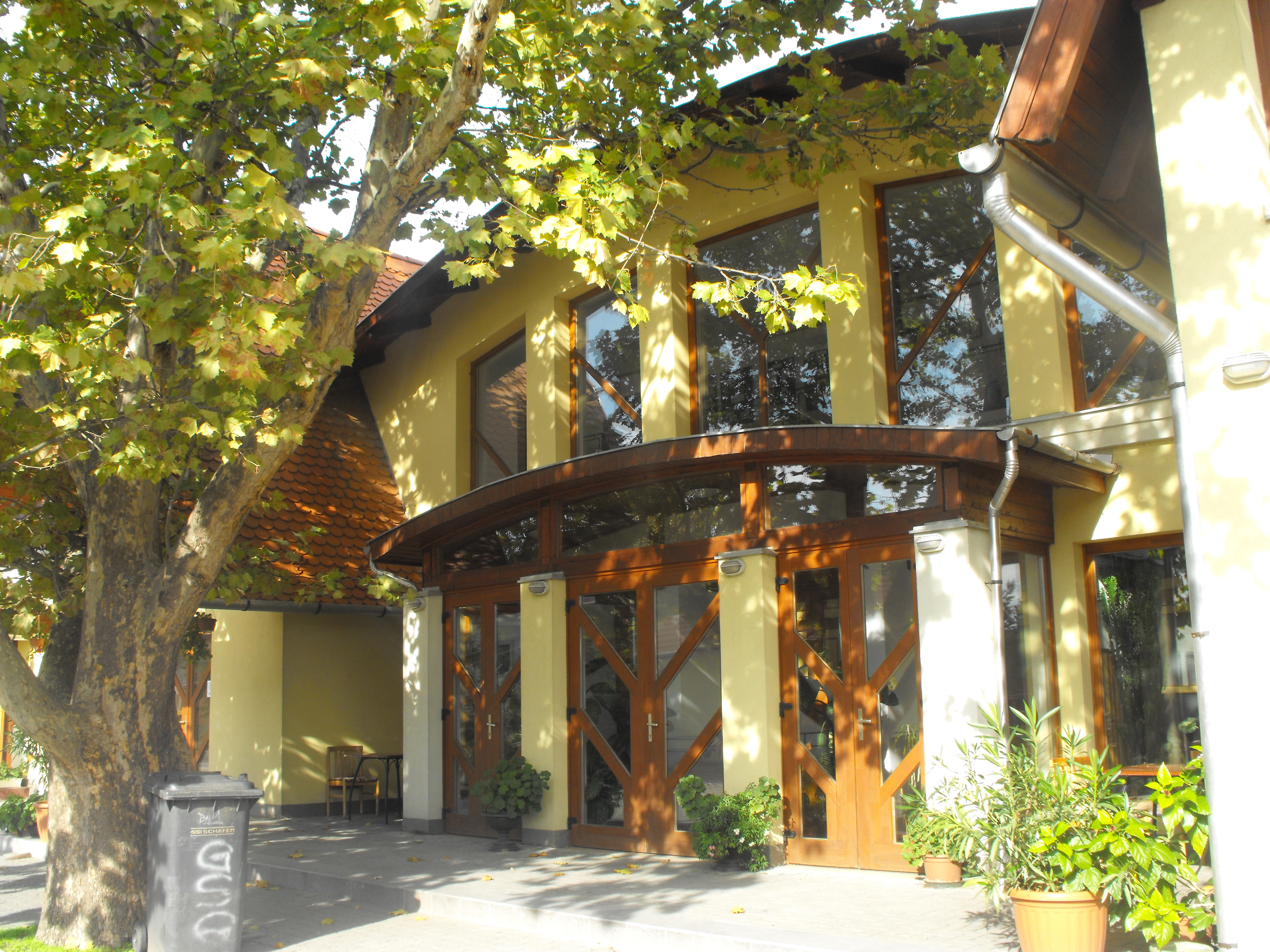
The settlement dating back to the Árpád Age was first recorded with the name Tapai in a document from 1138. It was a ferry crossing the Tisza that made Tápé known in the history of Hungary.
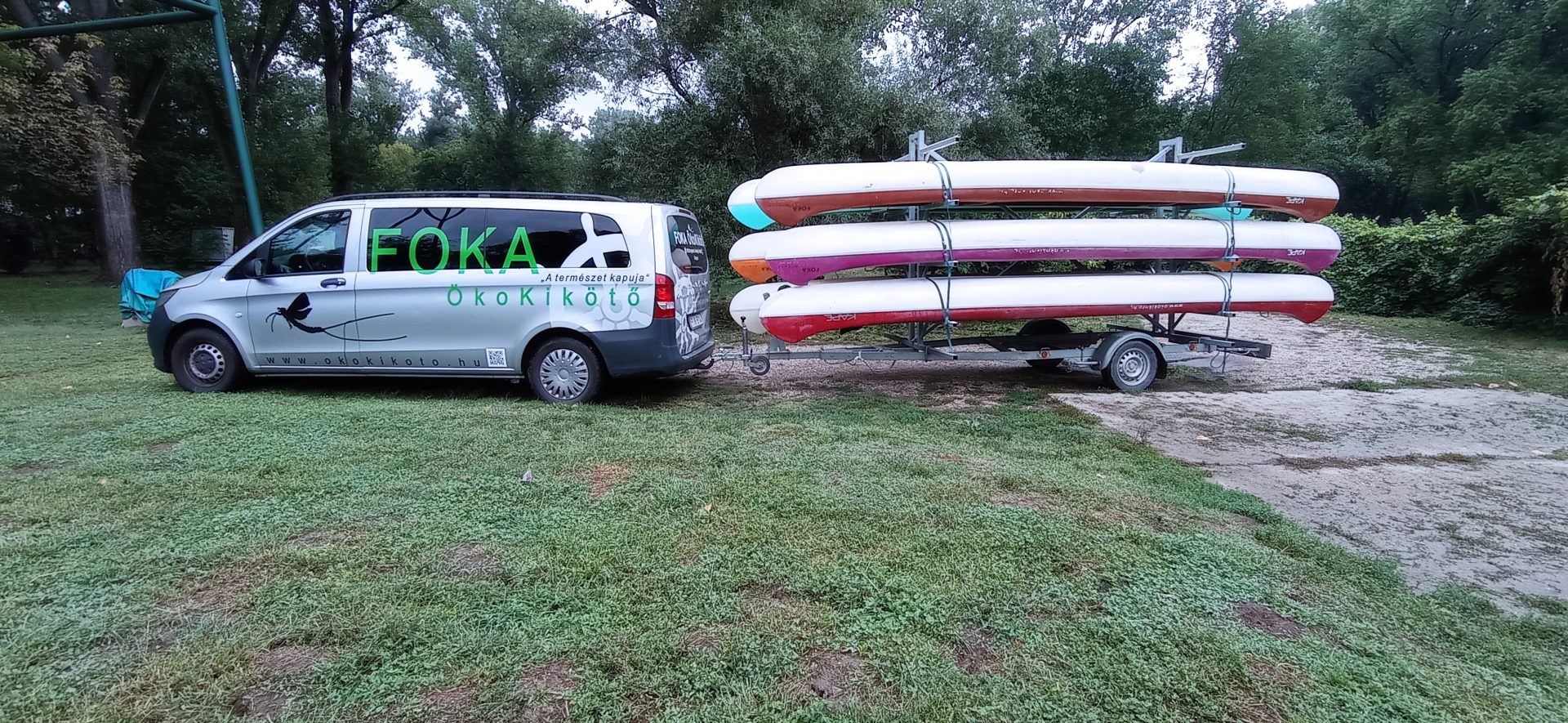
Our public small boat marina on the Tisza River in Szeged awaits water lovers. Services: boat, kayak and canoe rental, catering.
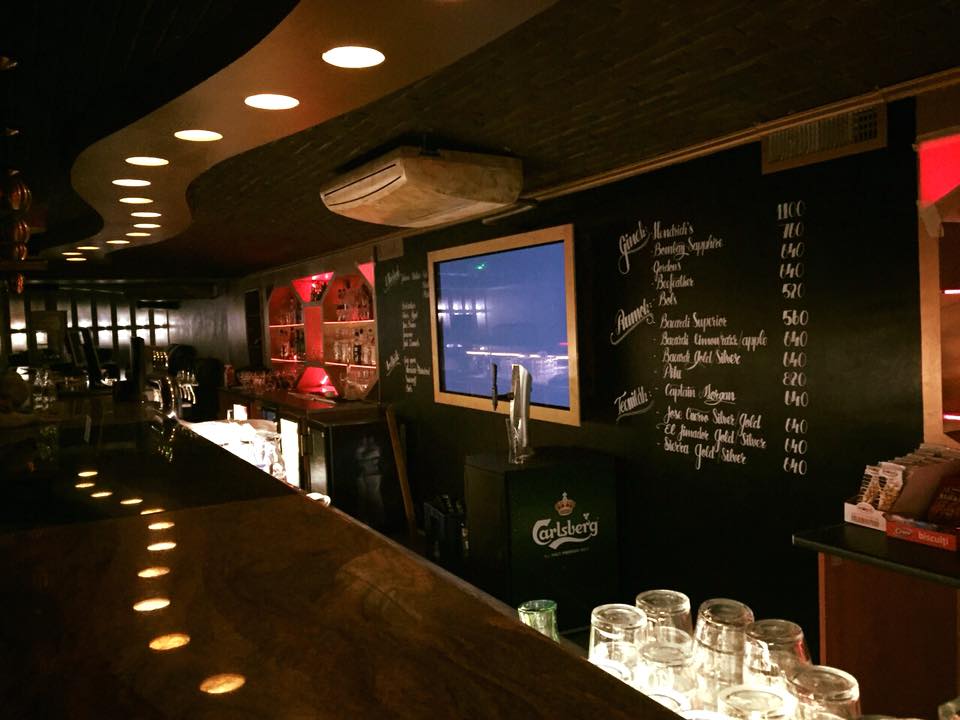
Information Opening hours: Mon-Tue: 10.00-24.00 Wed-Thu: 10.00-02.00 Fri: 10.00-03.00 Sat: 10.00-04.00 Sun: closed 6720 Szeged, Kölcsey u. 11. Tel.: +36-30/966-4068 www.facebook.com/NO1SZEGED
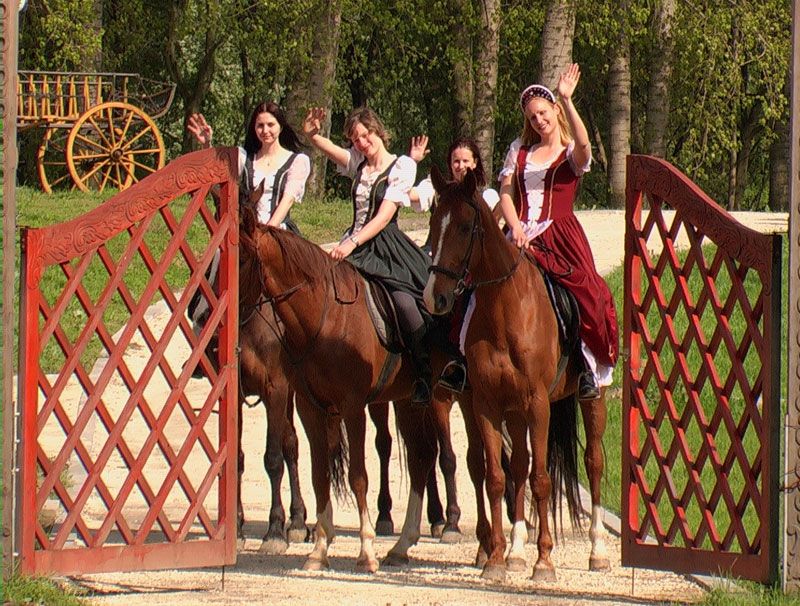
There are countless horse riding opportunities in the Szeged area, which you can view here.
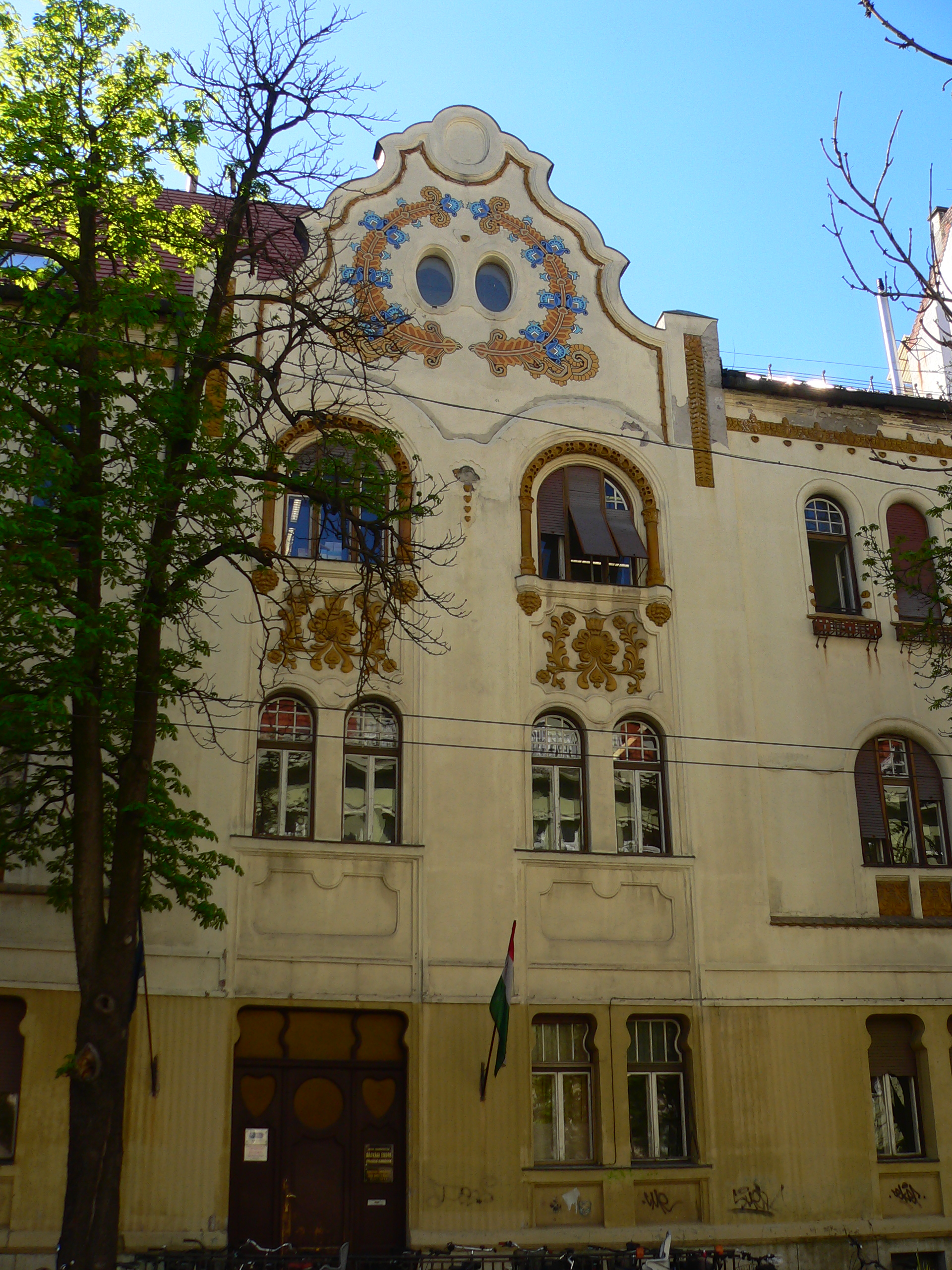
The architect’s palace in Szeged is larger and more imposingly executed, yet it is more modest in comparison with its counterpart in Subotica, failing to reach its outstanding unity of style and the elaboration of its details.

Covering an area of 14 m2 it is the largest alkali lake in Hungary. In the first third of the 20th century it was turned into a system of fish ponds.

The present City Hall is the third building in the same place with the same function. The first building of a modest design was raised in 1728. It was followed by the second one with the same area as the present hall, designed by István Vedres at the turn of the 18th and 19th centuries.
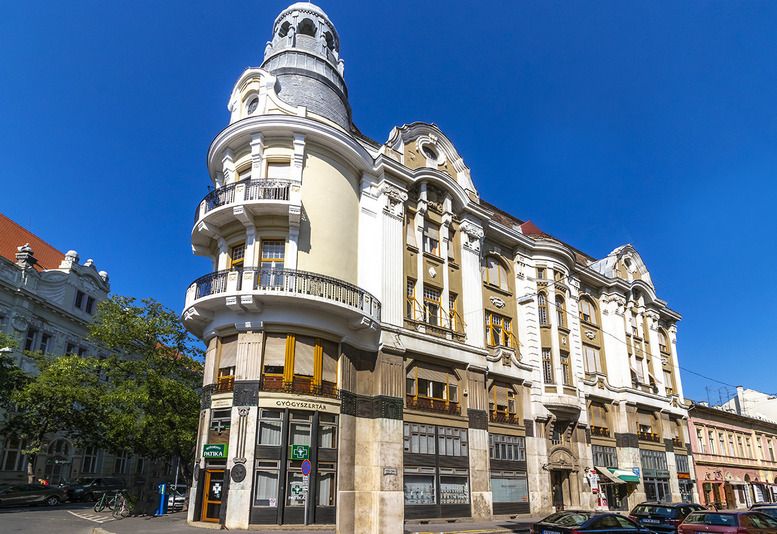
The Iron House was given its name after its spectacular shape. Looking from a distance at its facade sectioned by the strikingly marvellous, masterly executed corner pinnacle, ledges and bay windows, we may suppose that it is a historic monument.
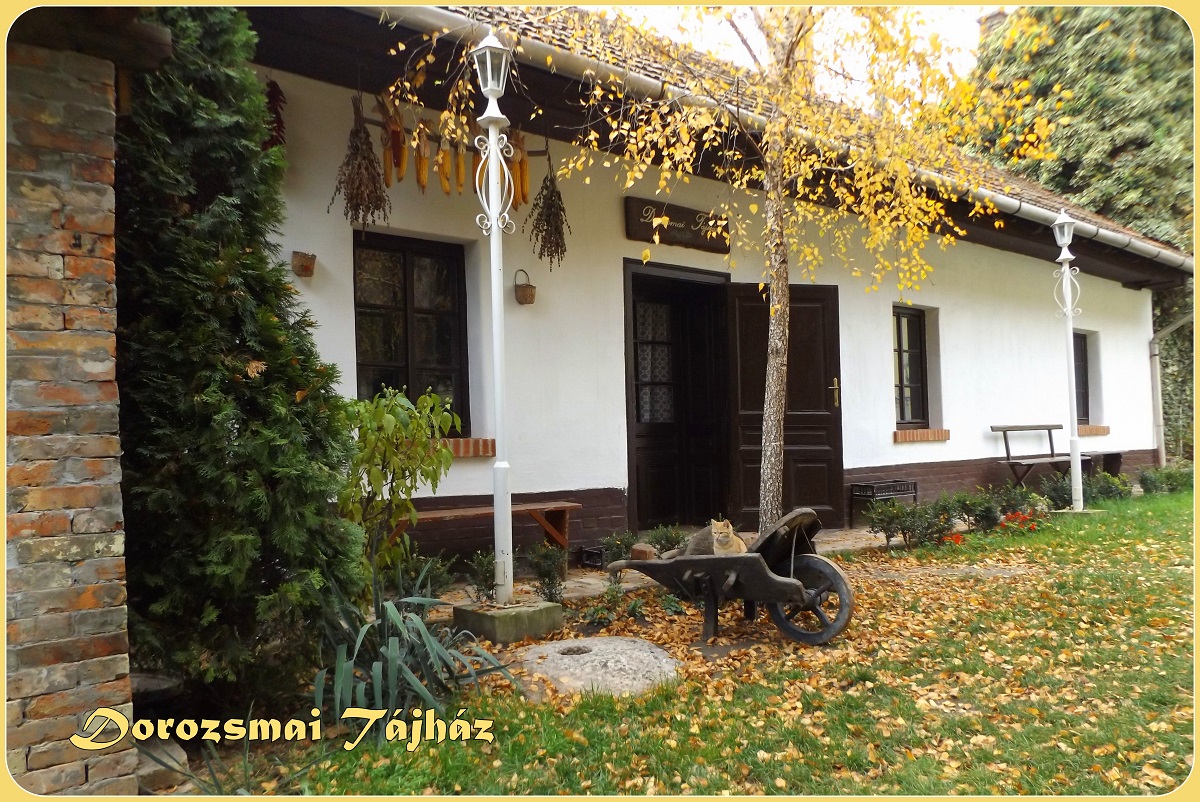
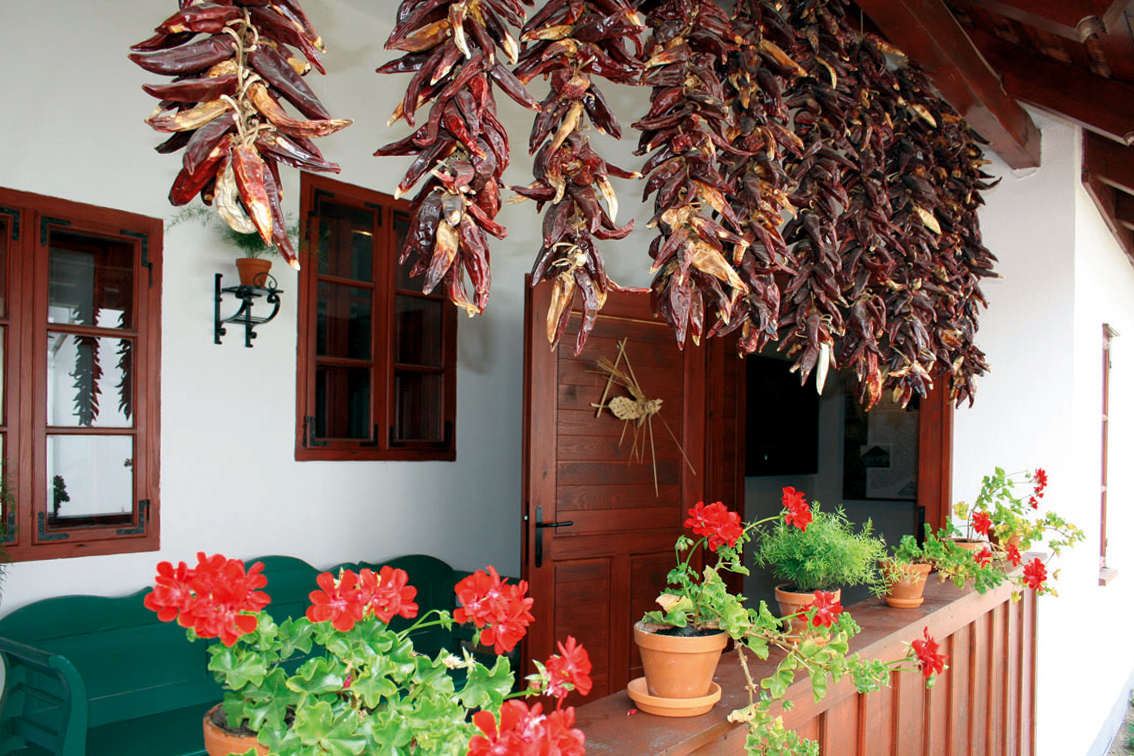
The sights of Szeged include the Dorozsmai Country House and the Farmer’s House. Szeged-Kiskundorozsma is a place where you can see the folk and the “bourgeois” material, intellectual culture of…
The God’s Eye motive of the main altar in the Alsóvárosi Church (Lower Town Church), the radial lines, became recognizable ornaments of the houses in lower town.
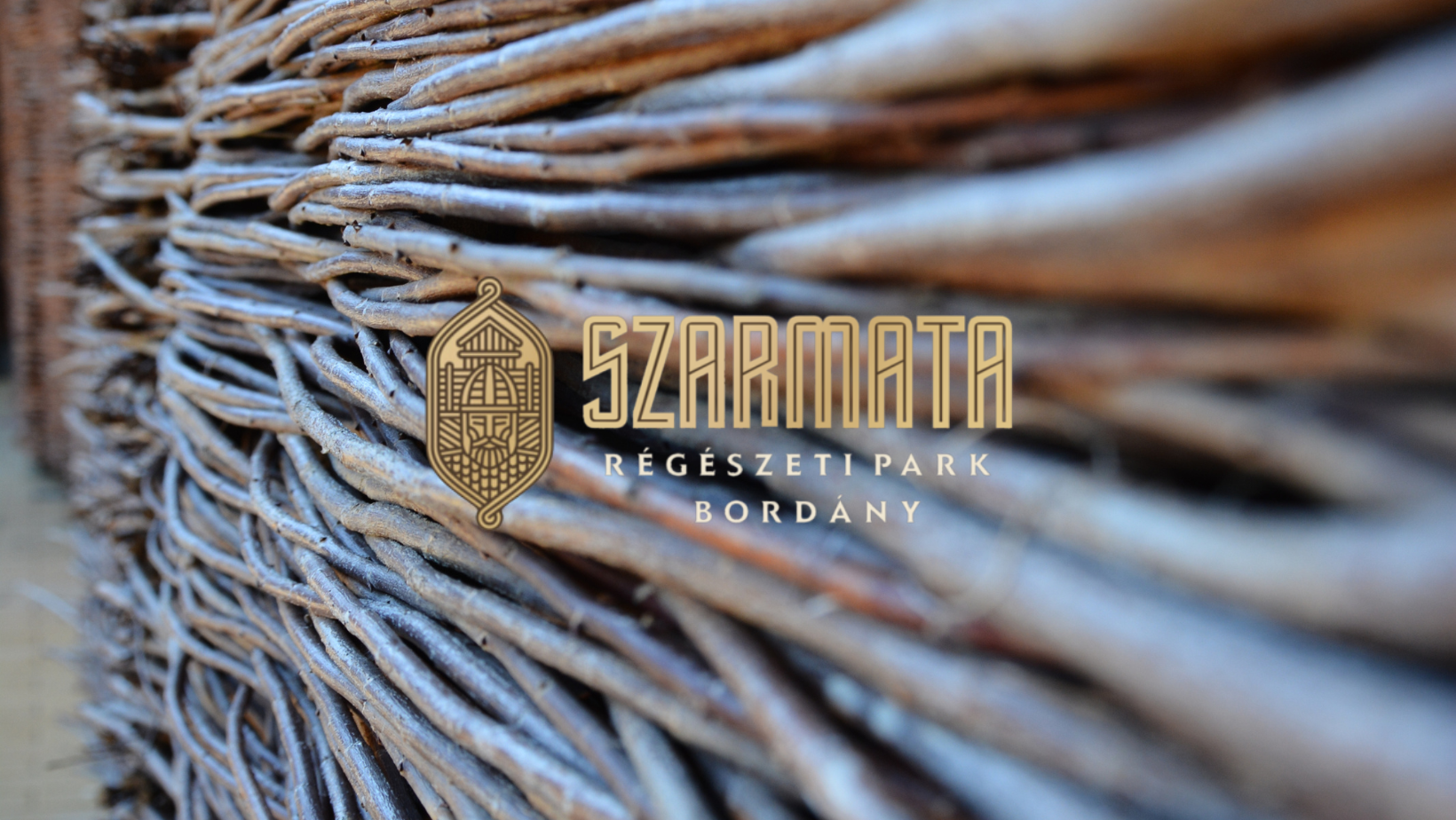
The park is surrounded by a palisade wall with wickerwork and a three-storey wooden tower at the entrance, from which you can see the whole area of the institution….