Dugonics Square
The square was named after the piarist priest and teacher András Dugonics, the writer of the first Hungarian novel (Etelka, 1788).



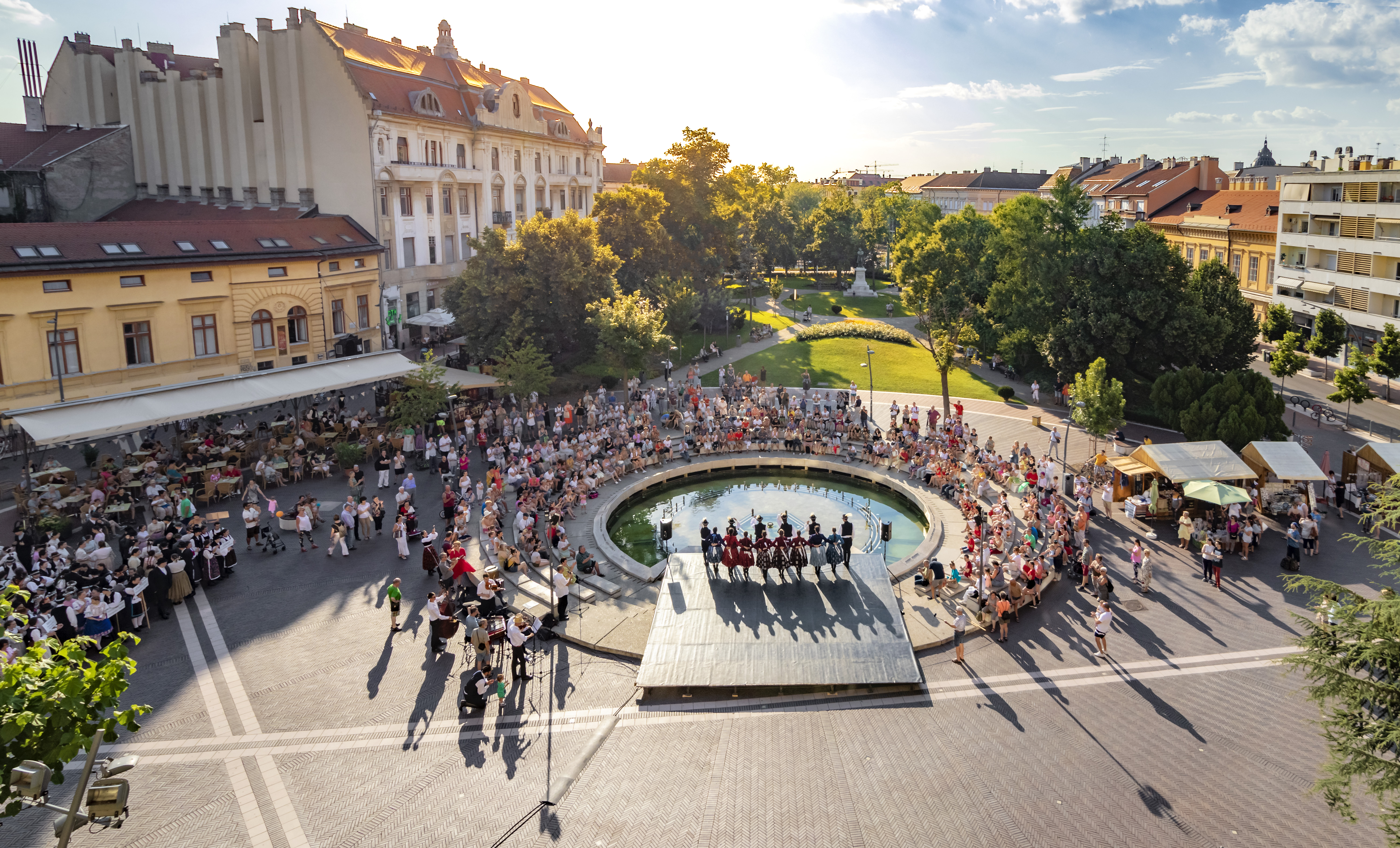
The square was named after the piarist priest and teacher András Dugonics, the writer of the first Hungarian novel (Etelka, 1788).
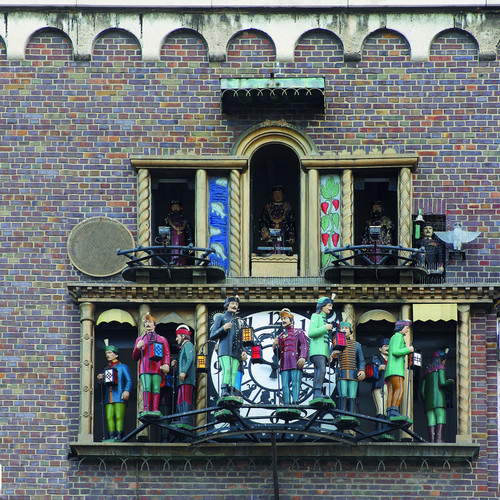
The tunes of this unique piece of art by watchmaker Ferenc Csúri could be first heard at the Open Air Festival in 1936.
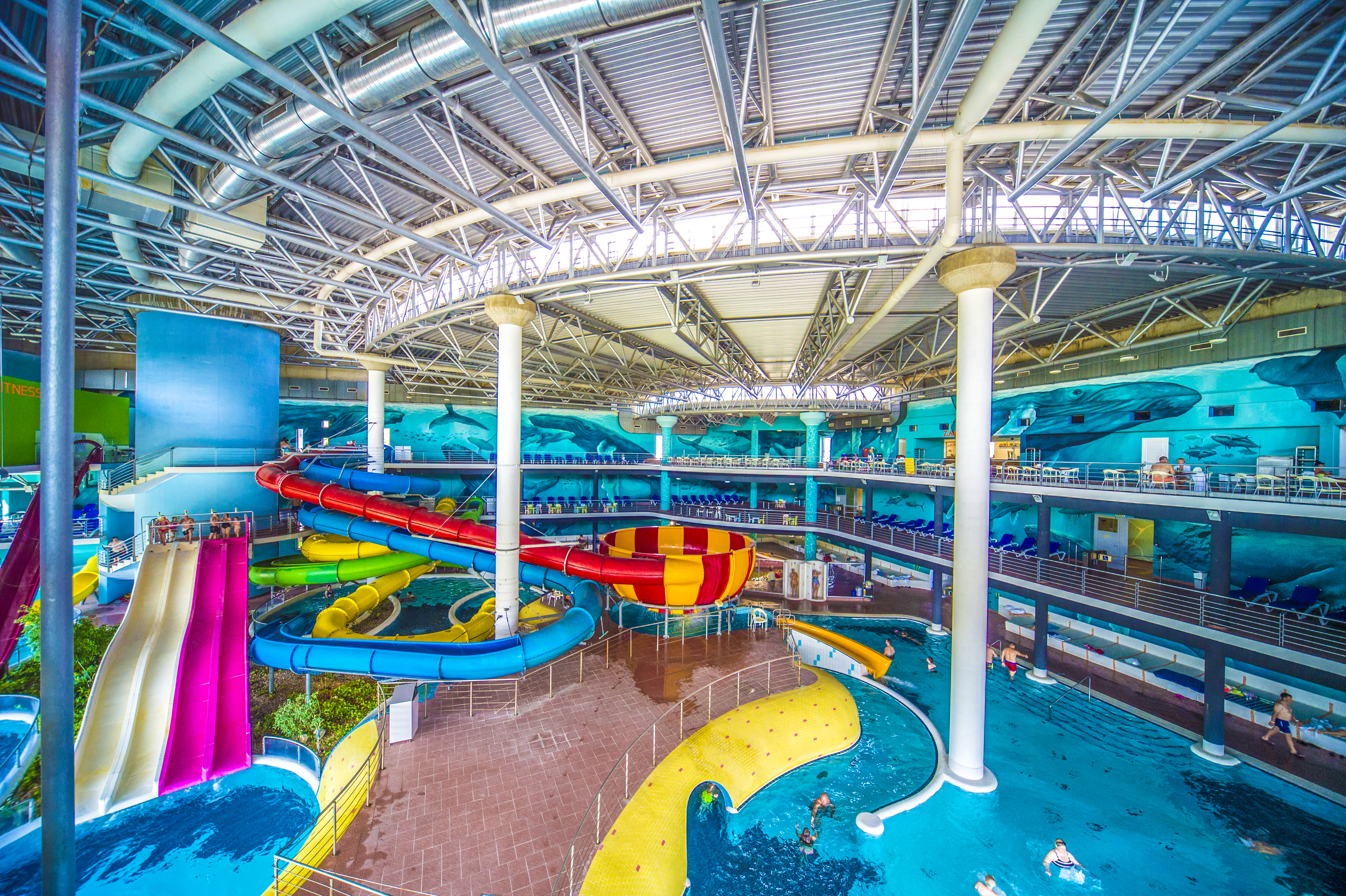
The four-season ‘water-city’ awaits its visitors with a water surface of 4,400 m2 and the longest waterslide working all year round in Europe. The bath complex offers entertainment for all age groups. The main attractions of the facility opened in 2010 are the 223 and 272 meter long giant tube slides starting from a 30 meter high tower accessible with lifts.
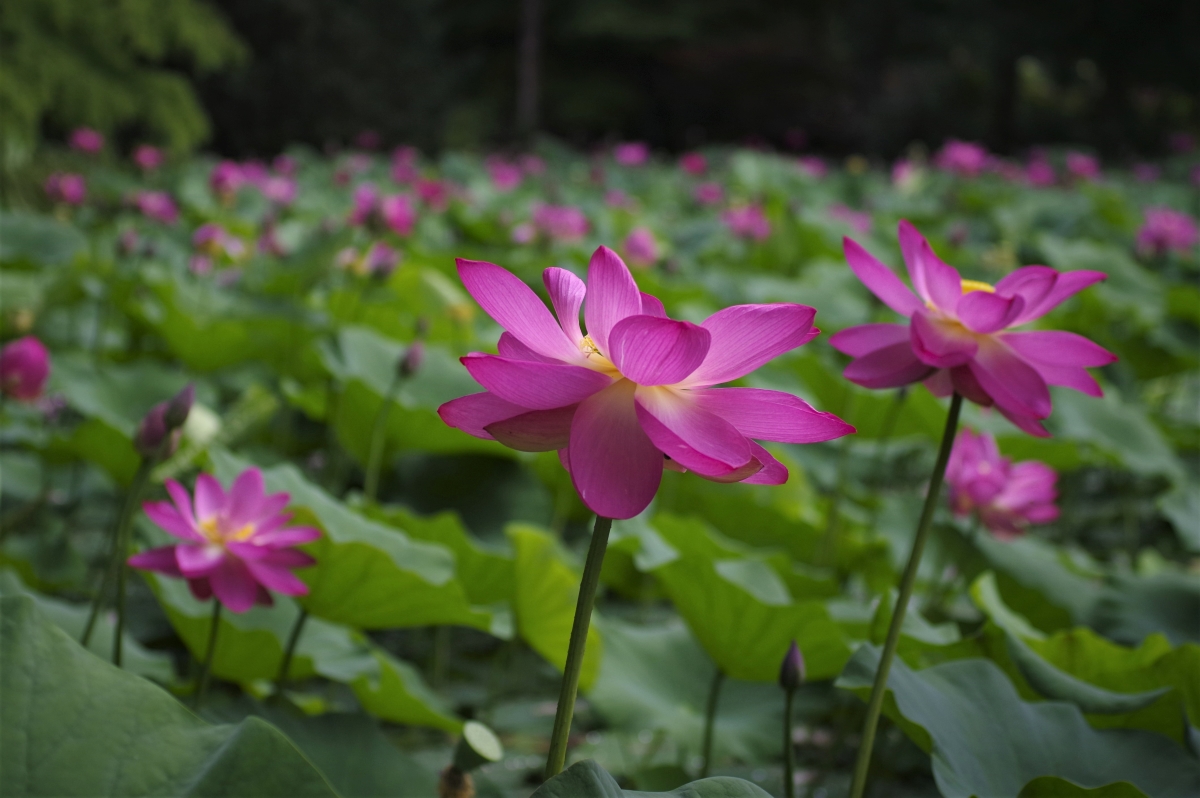
When the University of Kolozsvár moved to Szeged in 1922, the city donated a land of 20 kh to it to establish a botanical garden.
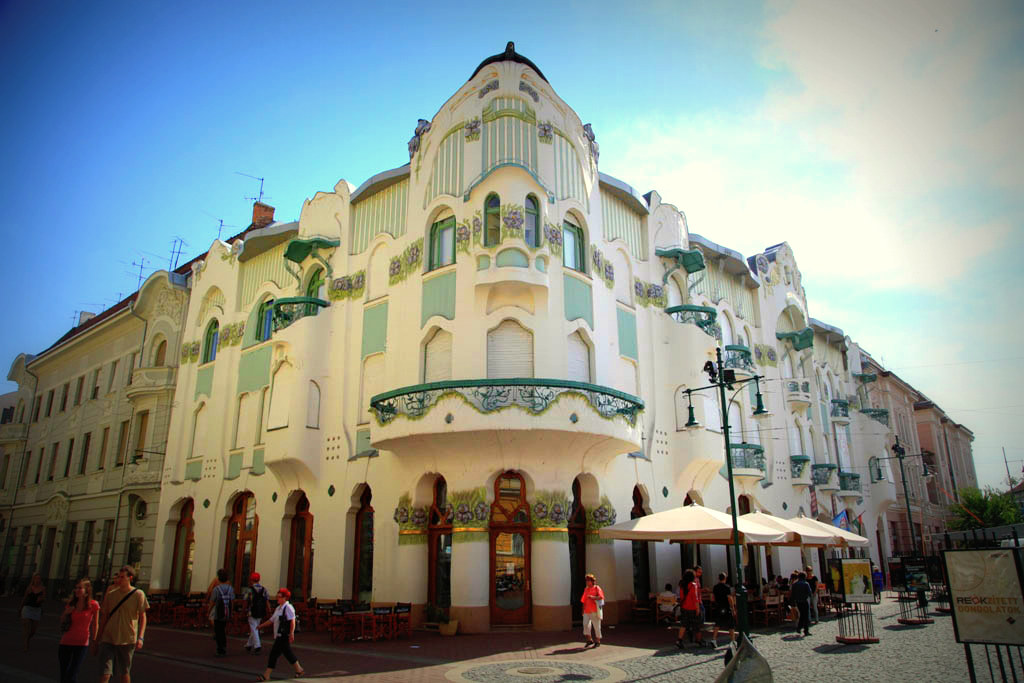
The architect Ede Magyar was thirty in 1907, when he constructed Reök Palace, an exemplary piece of Hungarian secession.
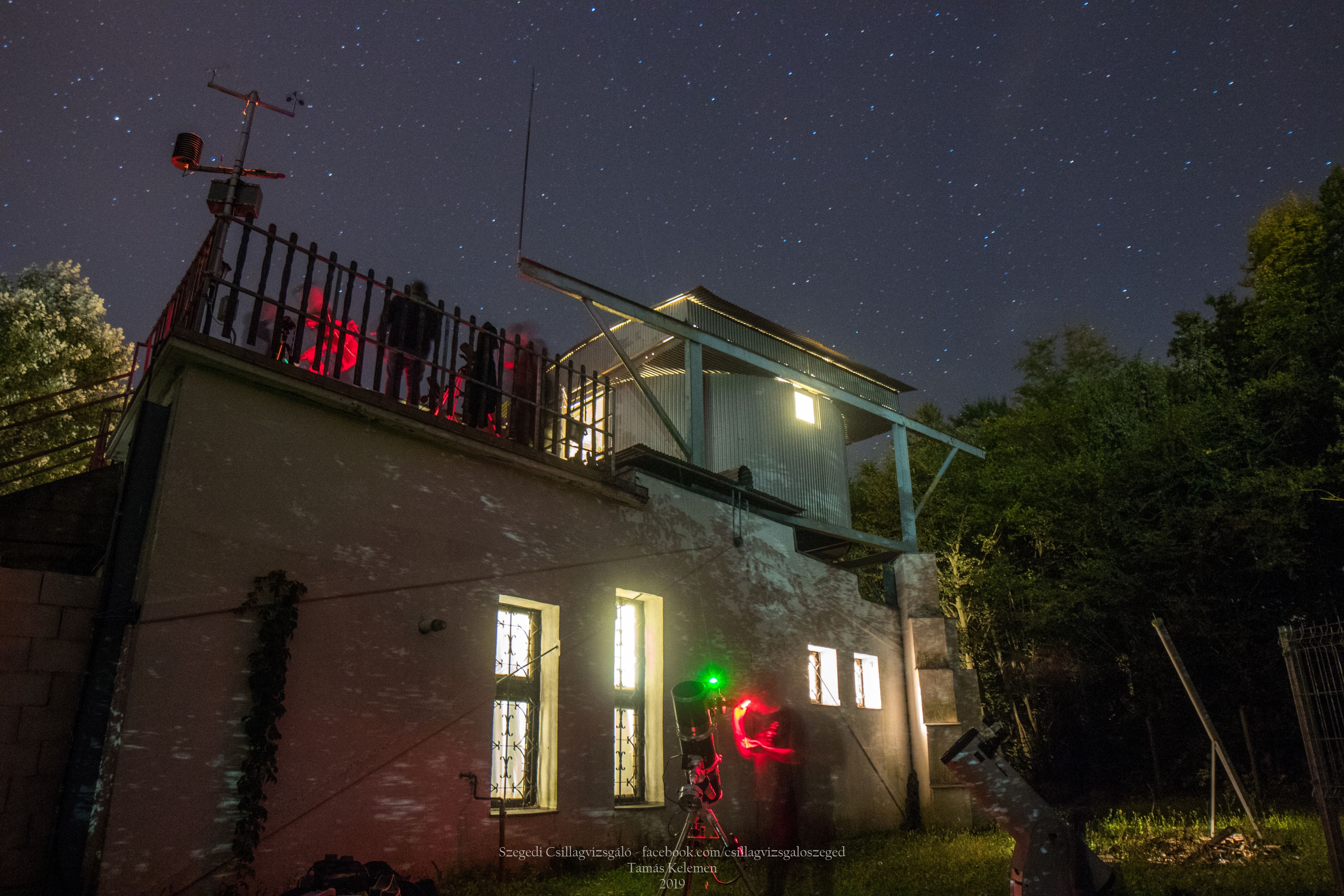
The observatory located in Újszeged was built by the Szeged Observatory Foundation more than twenty years ago.

Situated in Alsóváros, Szeged, the monastery and the church together form Hungary’s second largest church complex, keeping its original function.
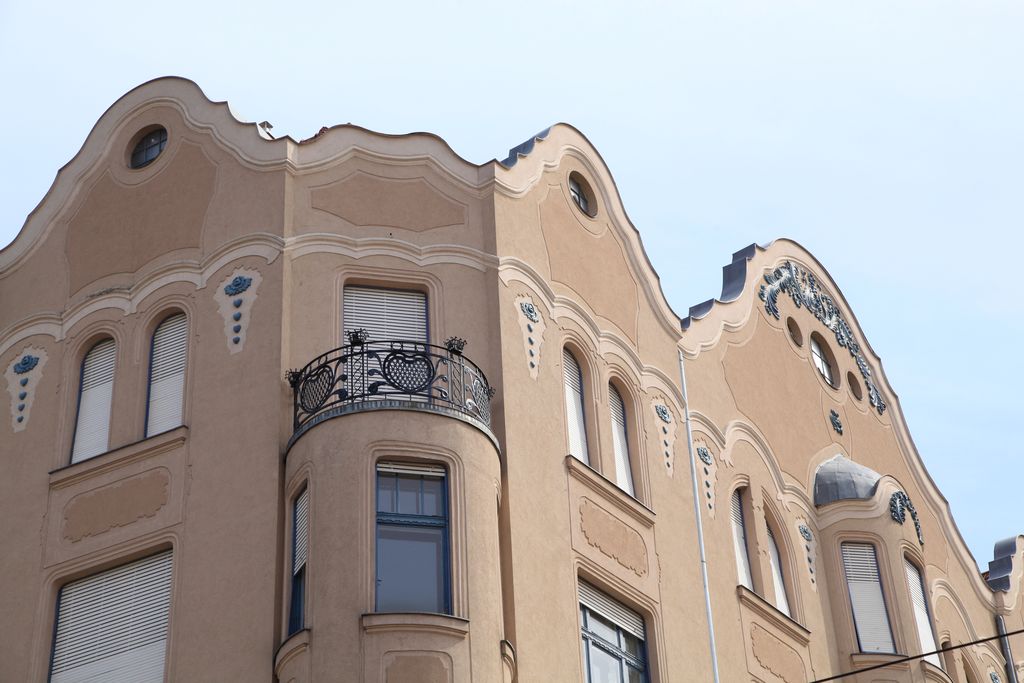
The secessionist style, four-storey historic building stands on the southern side of Saint Steven Square.
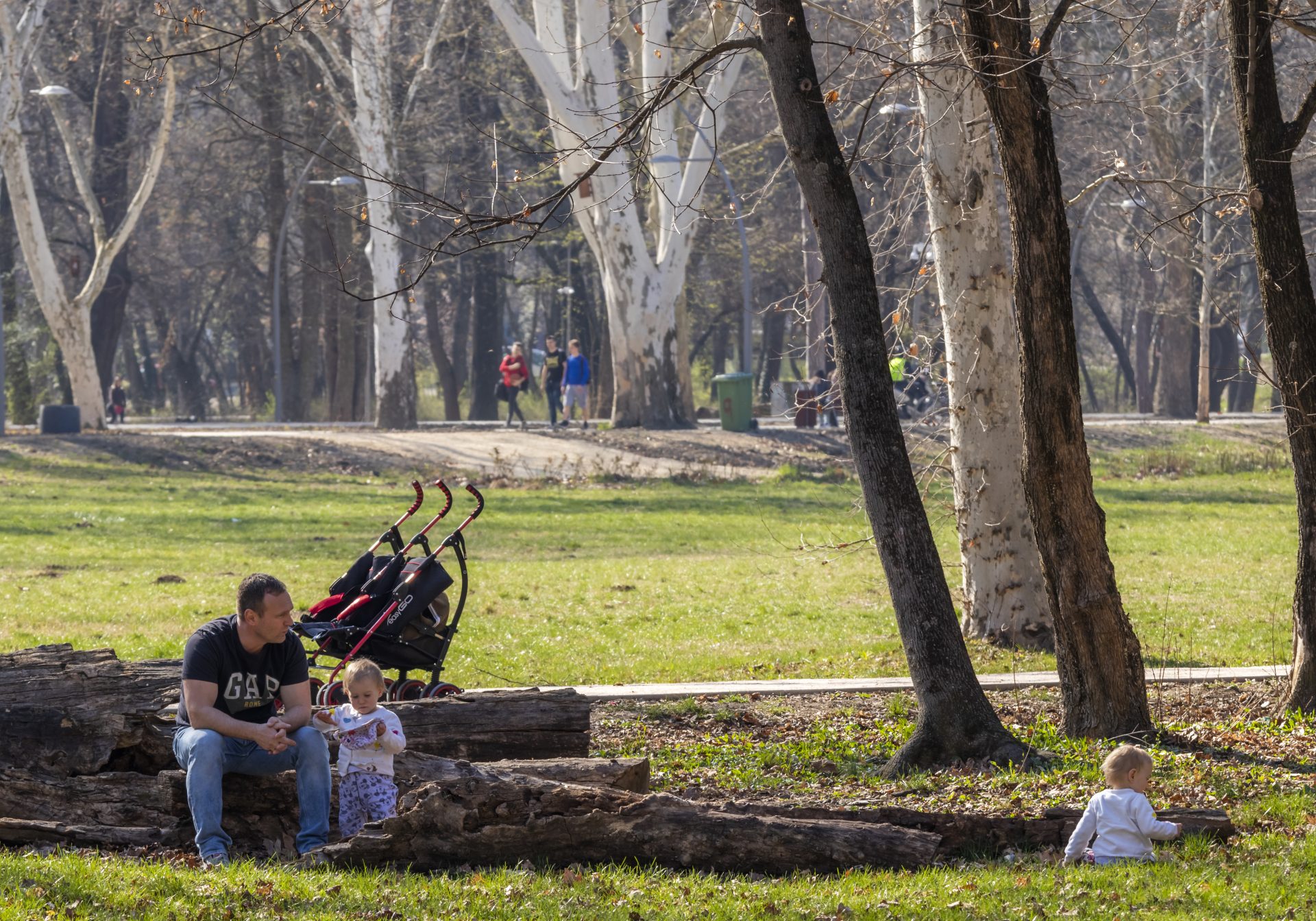
Situated in Újszeged in the line of Belvárosi Bridge, the largest park of Szeged has an area of 15 hectares.

The building standing at the corner of Somogyi and Kelemen Street is unique in its style, appearance and location.
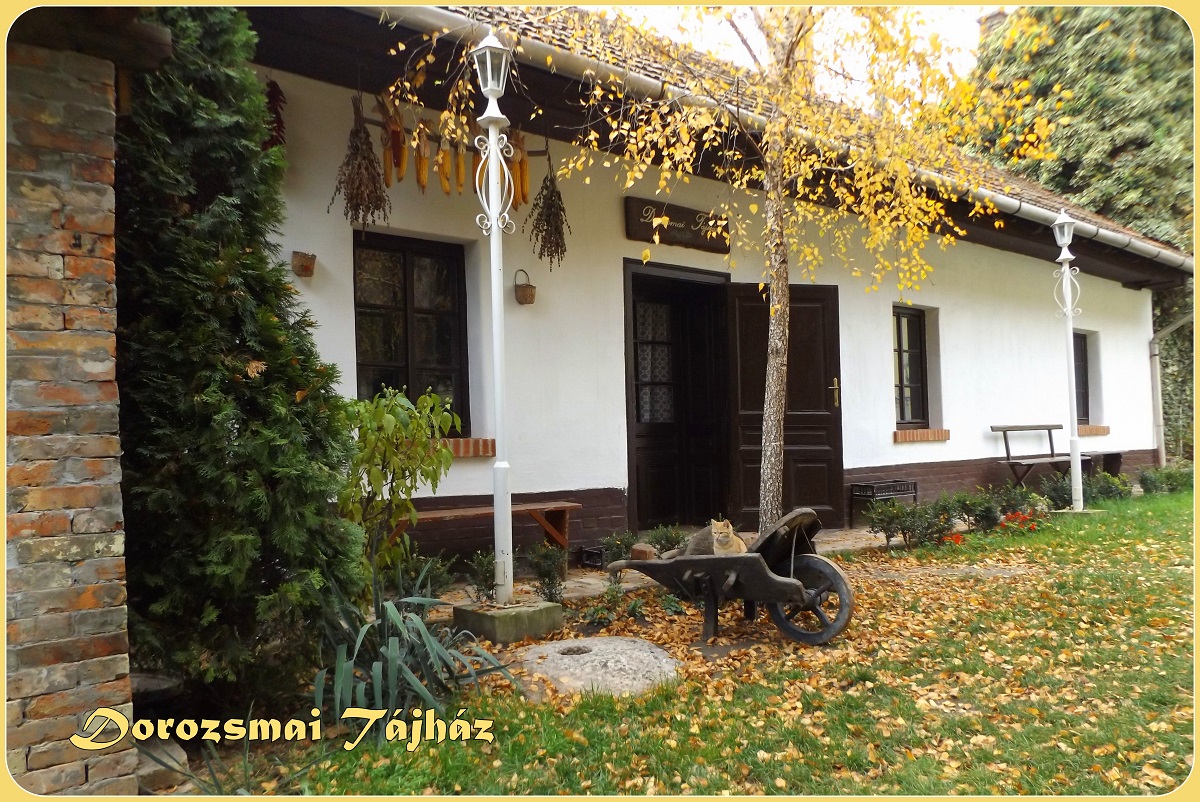
The sights of Szeged include the Dorozsmai Country House and the Farmer’s House. Szeged-Kiskundorozsma is a place where you can see the folk and the “bourgeois” material, intellectual culture of…
The architect Ede Magyar was thirty in 1907, when he constructed Reök Palace, an exemplary piece of Hungarian secession.
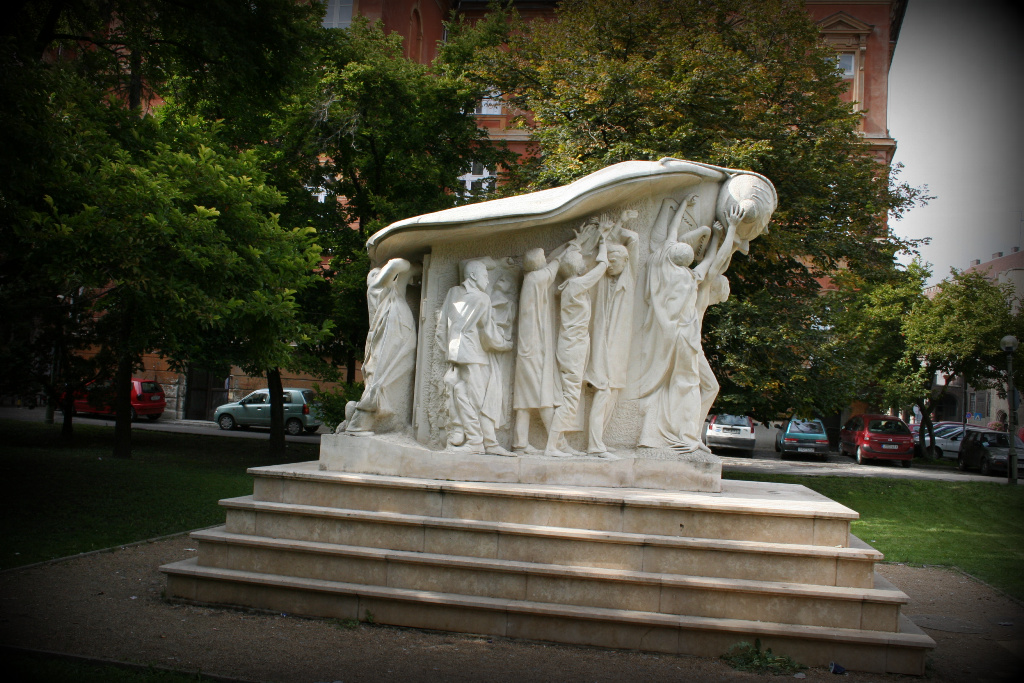
The square was named after the designer of the building complex in Dóm Square, the first remarkable figure in Hungarian landscape architecture.
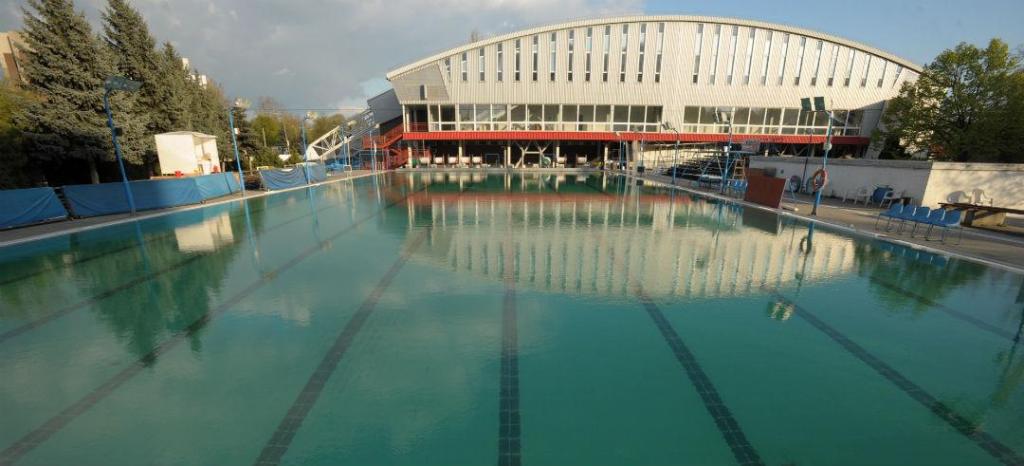
The Sport Swimming Pool is located on the Újszeged district of the town, it’s easily accessable with a ten-minutes walk from the downtown. The 50 m pool is open-air in summer time and topped throughout the winter. It provides a training and competitive area for various sports clubs.
Everey day of the week the pool is opened for evening swimming.

You can see the remnants of the gate Maria Teresia of the former castle behind the museum.
Would you like to experience the fascinating world of nature up close?
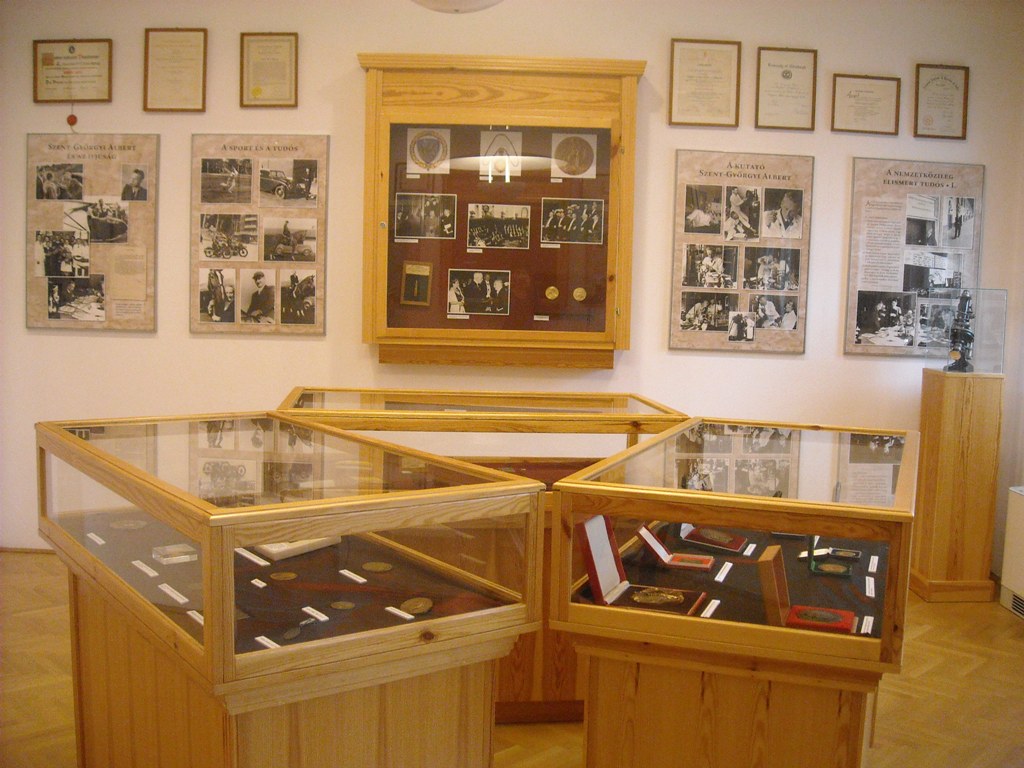
The biochemist Albert Szent-Györgyi (1893-1986) carried on his researches started in Cambridge and Groeningen at the University of Szeged as the head…
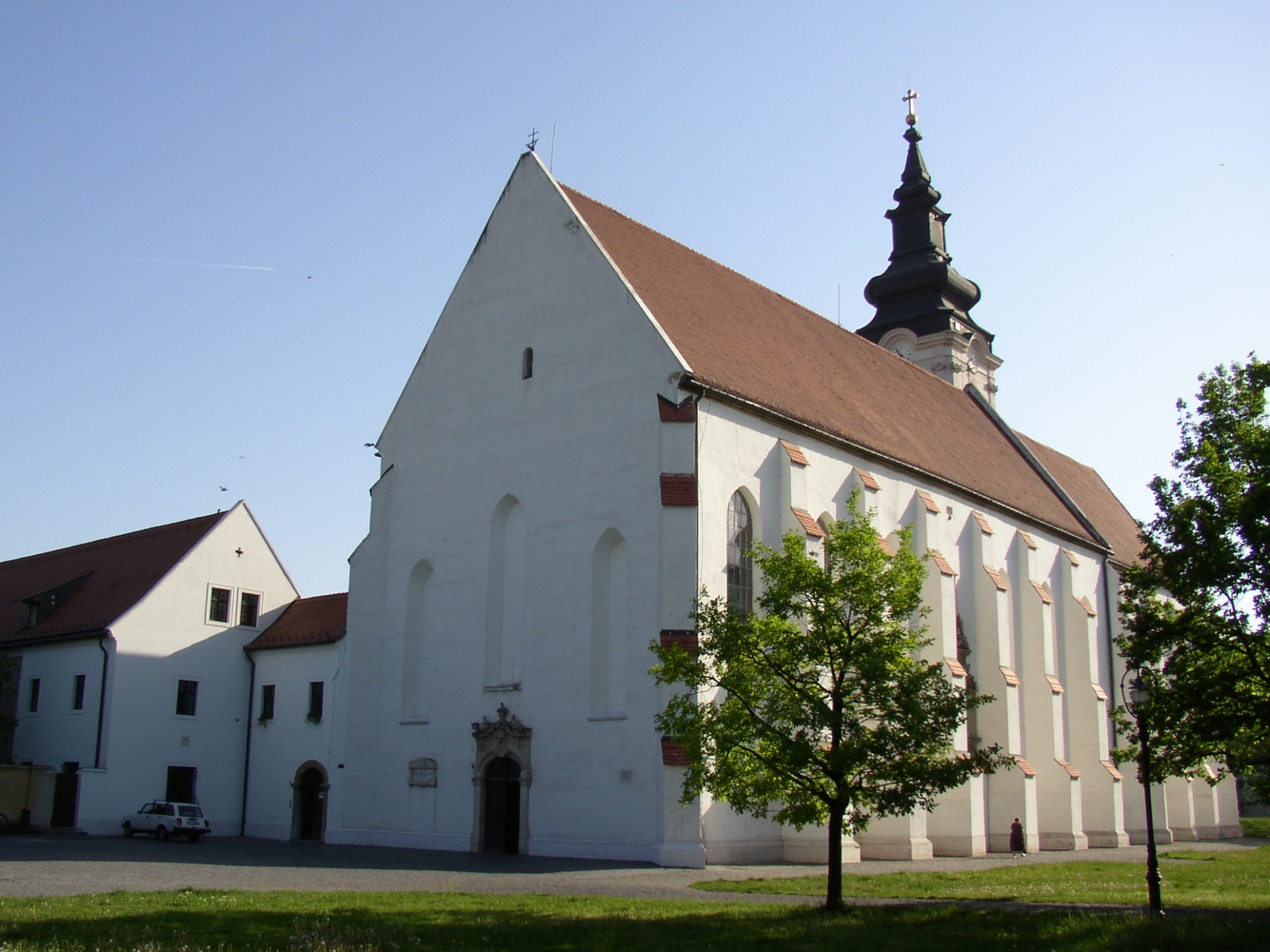
The Franciscan church dedicated to Our Lady of the Snows and the cloister nearby are precious architectural heritages of Szeged.
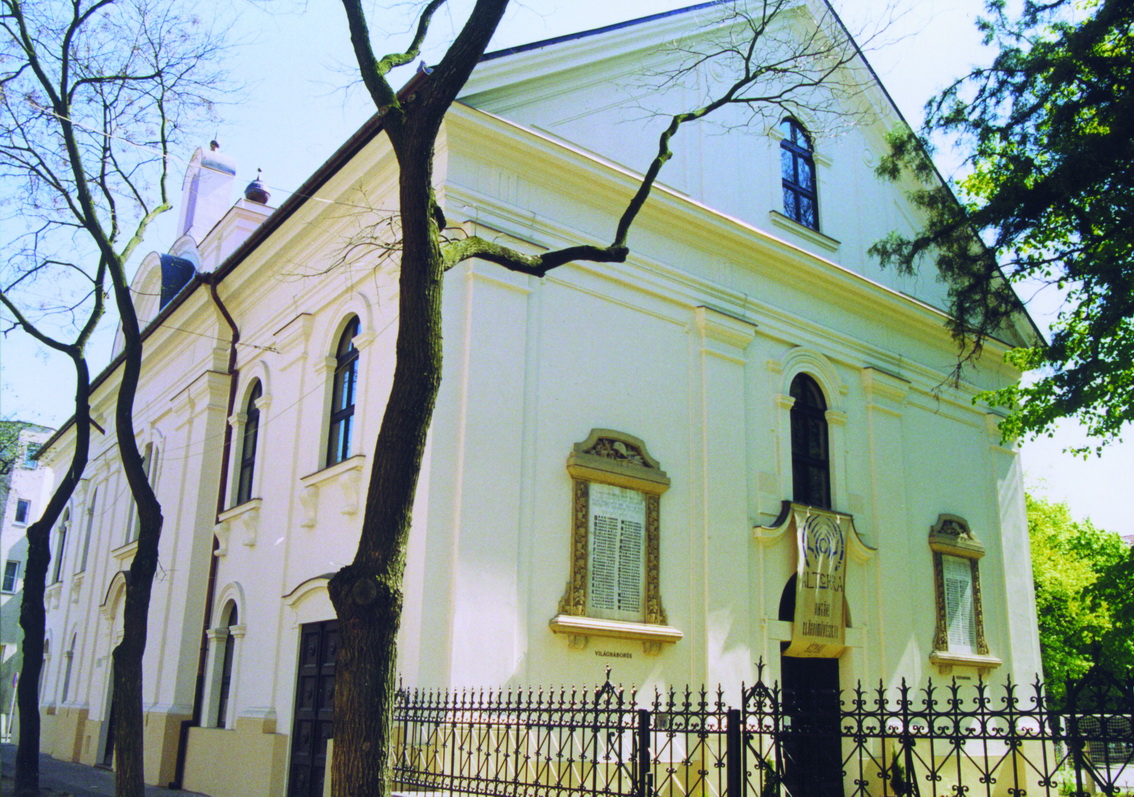
The nicely preserved monument built between 1837 and 843 was created by the Lipovszky brothers, Henrik and József.

The western walls of the castle built on the bank of the River Tisza in the 13th century were situated in the present Széchenyi Square…
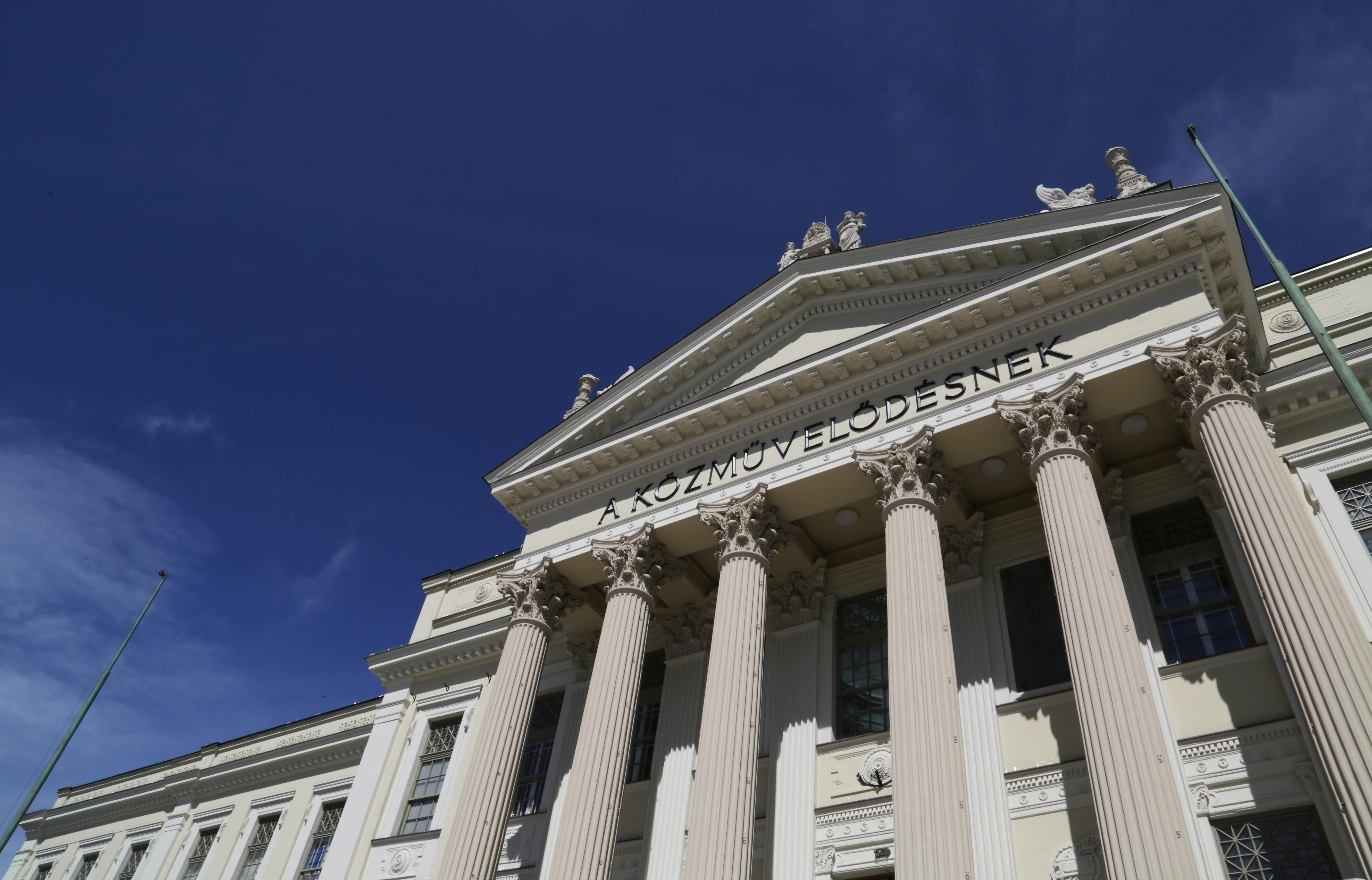
The most impressive product of the building fever of the millennium in Szeged is the Palace for Public Education built in neo-classicist style in 1896.
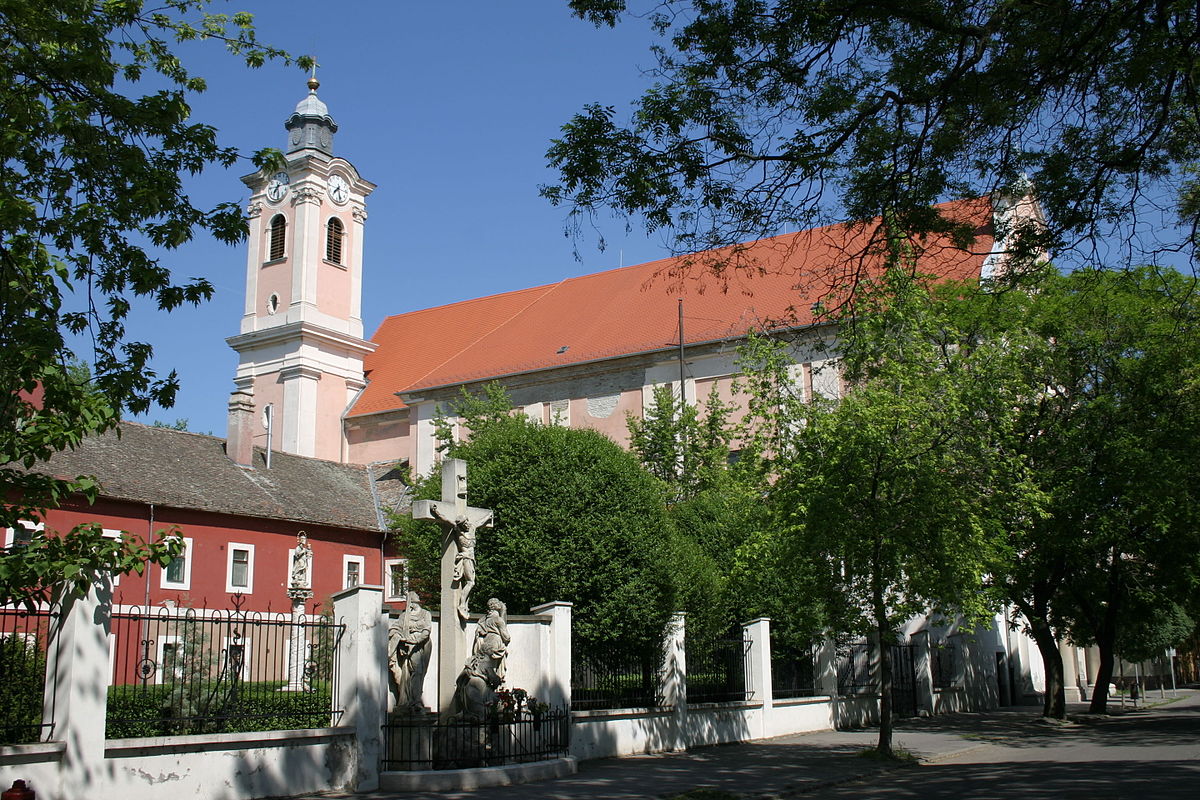
Szent György tér (Saint George Square) at József Attila Avenue, received its name after an old church. The Saint George Church, probably built in the 13th century, stood at the…
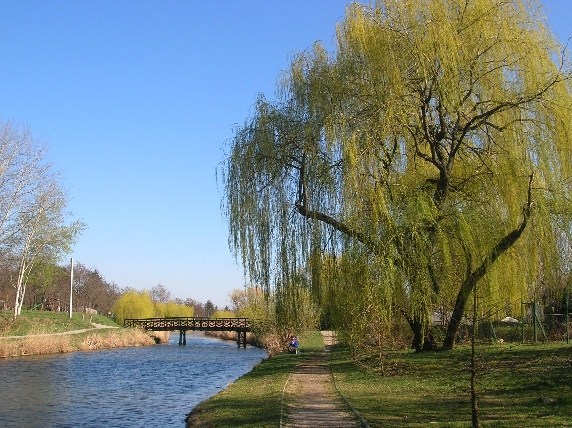
The maros backwater was separated from the bend of river Maros in 1860 as part id the river-contolling operation. Now it is a more that 4 km long oxbow with a width of 10-15 m.
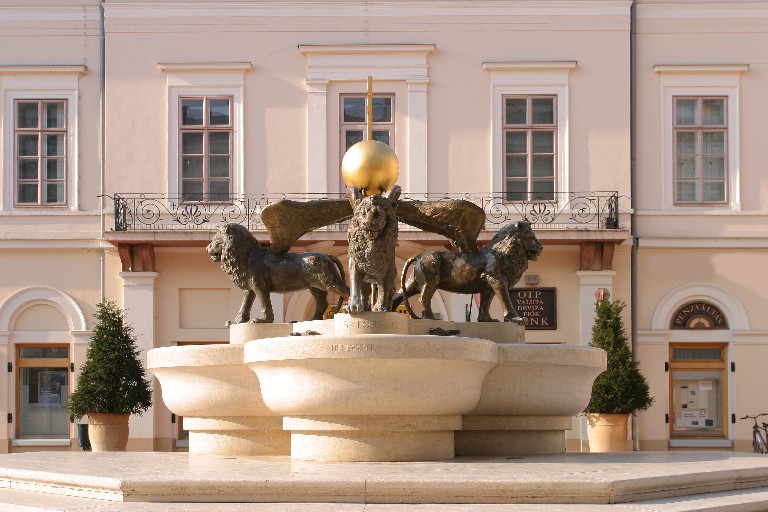
The value preserving reconstruction of Kárász Street and Klauzál Square was recognised with the Europe Nostra Award in 2004.
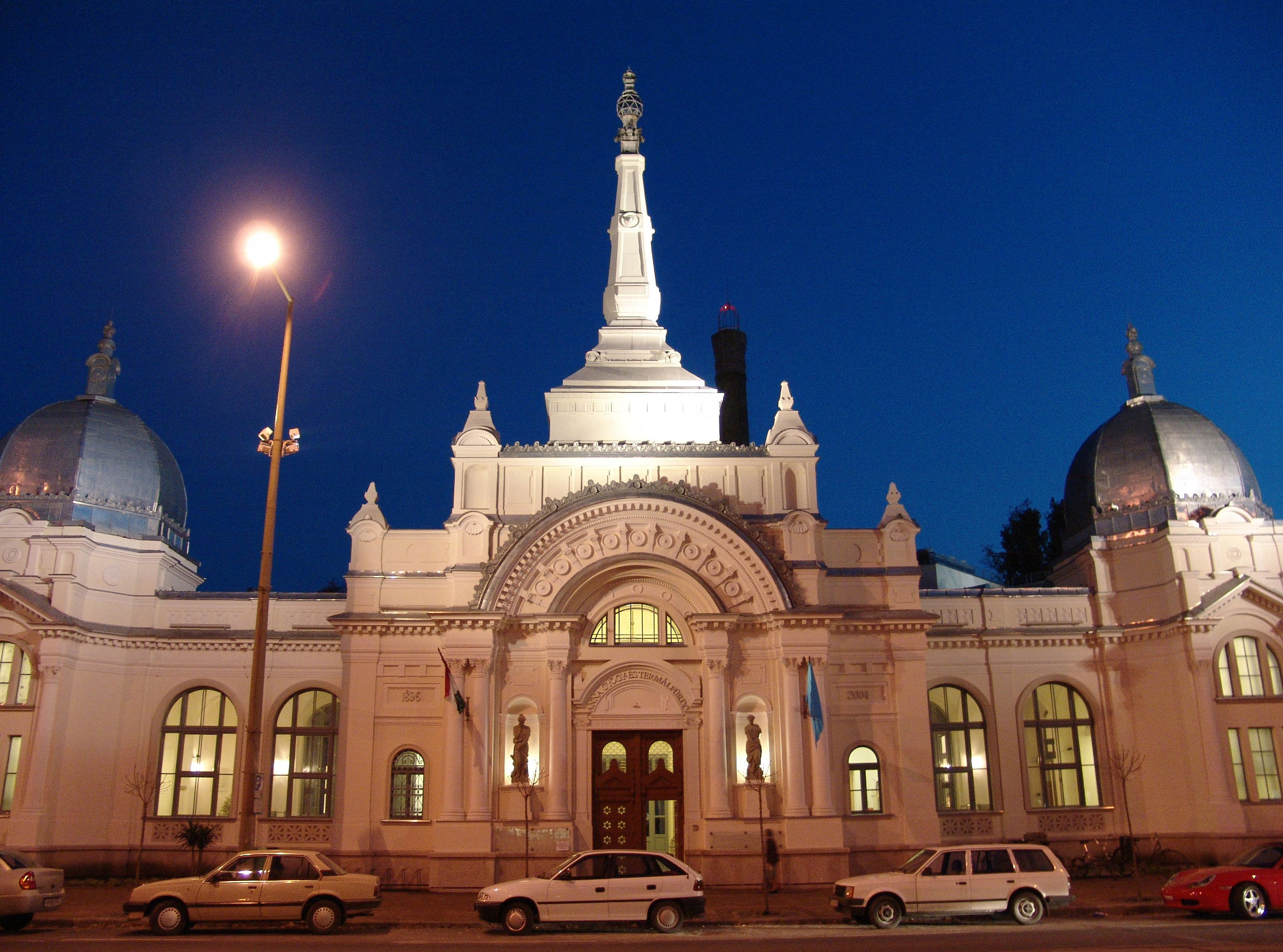
The white-walled eclectic style building in Tisza Lajos Boulevard, reflecting Oriental effects, designed by Antal Steinhardt and Adolf Lang, was built in 1896. Originally it functioned as a city public bath. It took its name from the nearby artesian well drilled in 1927 and its water.

The Zoo of Szeged, 45 hectares located in wooded environment only 2,5 km from the city center, offers even one-day programs to visitors. It features animals according to continents, trying…

The centre was opened in December 2012 with the aims of presenting the research results of the region in a simple and understandable way and directing children’s attention to natural sciences.
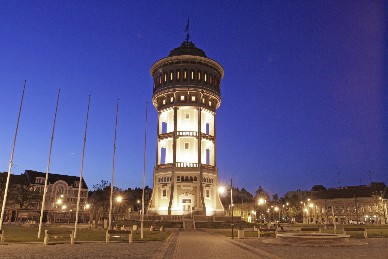
A nicely created park and a curiosity in the history of industry, the country’s first water tower made of reinforced concrete await visitors in Saint Steven Square.

The building of the school was built in 1914. It worked as a military hospital during World War I, and from 1921 it also served as a medical chemistry…
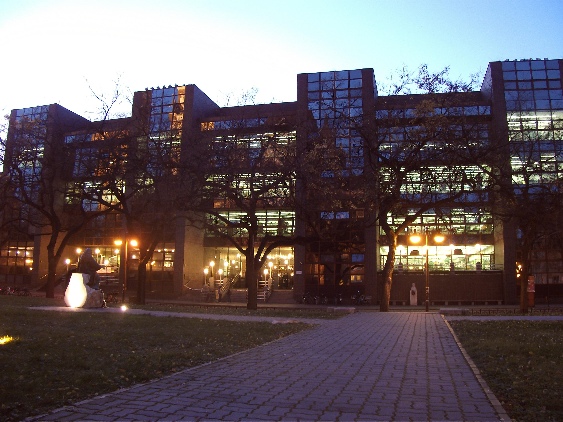
In the 130 years since its founding, the library’s collection has grown significantly, exceeding one million documents.
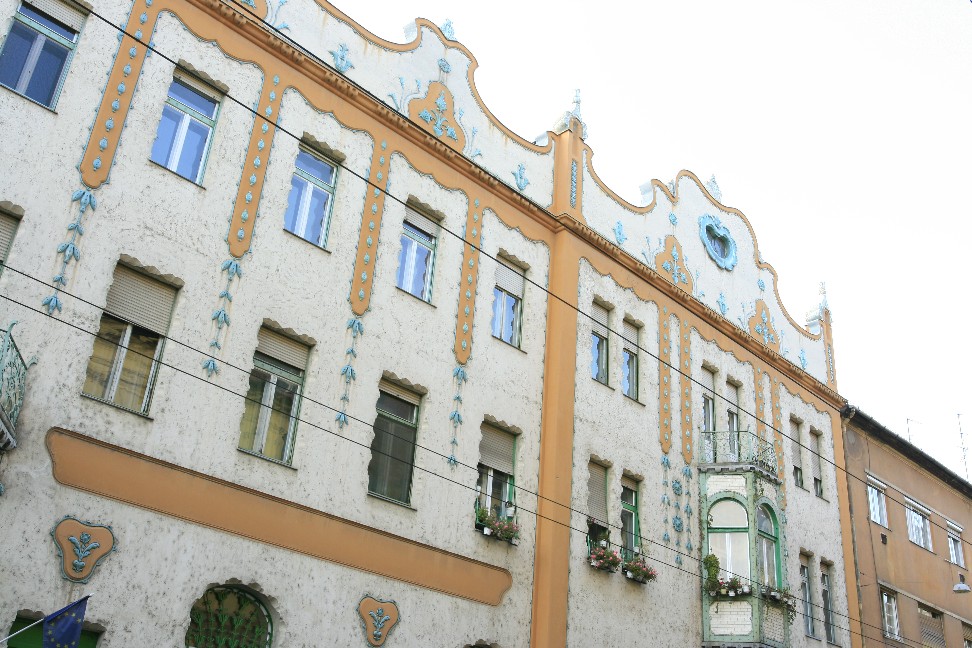
It was designed by Mihály Erdélyi with majolica ornaments in green, blue and orange and built between 1900 and 1902.
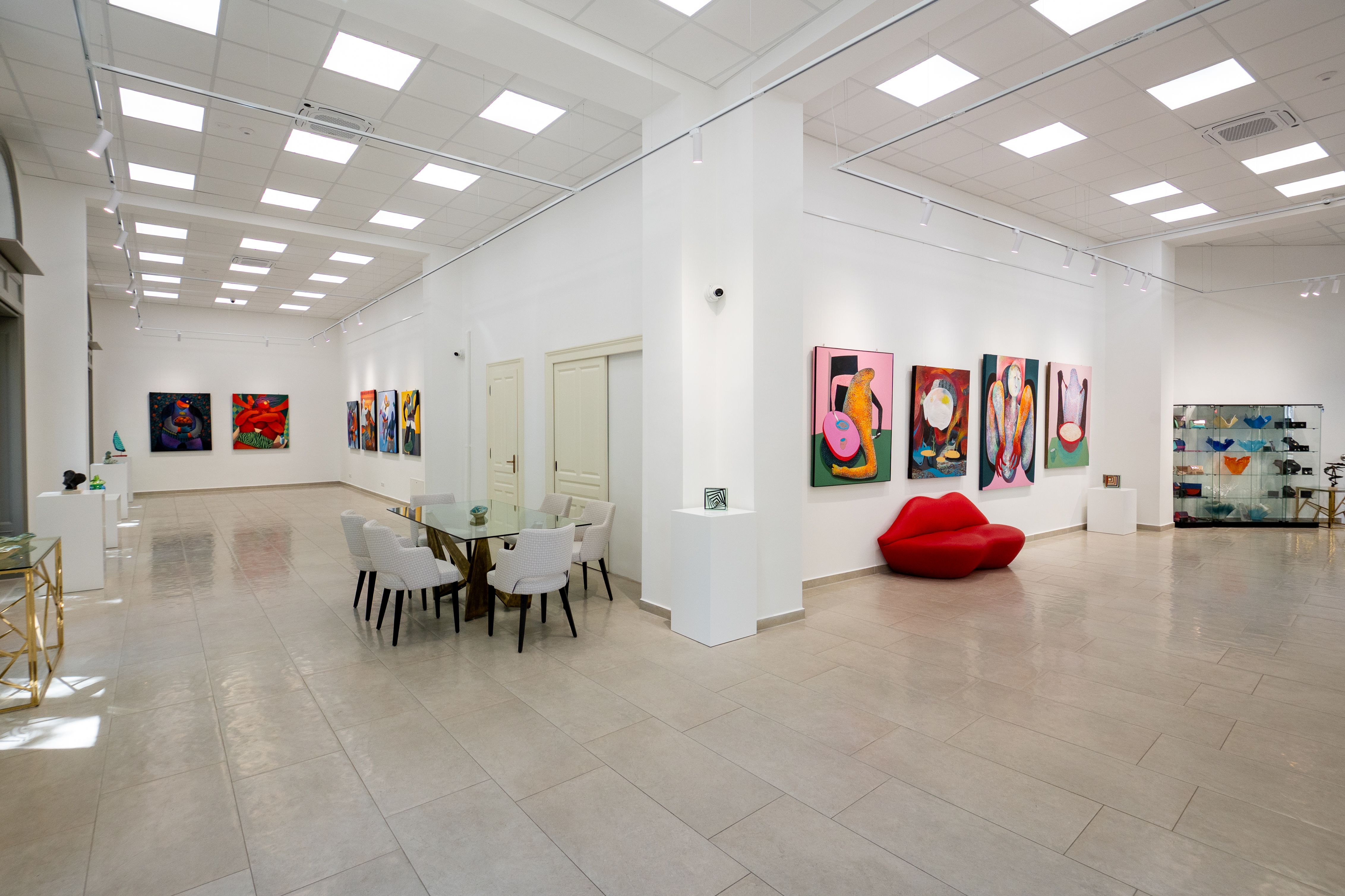
The Kiss Kunszt Gallery is located in the city center of Szeged, next to the Anna Thermal Bath, just a few minutes’ walk from Széchenyi Square. The Kiss Kunszt Gallery…
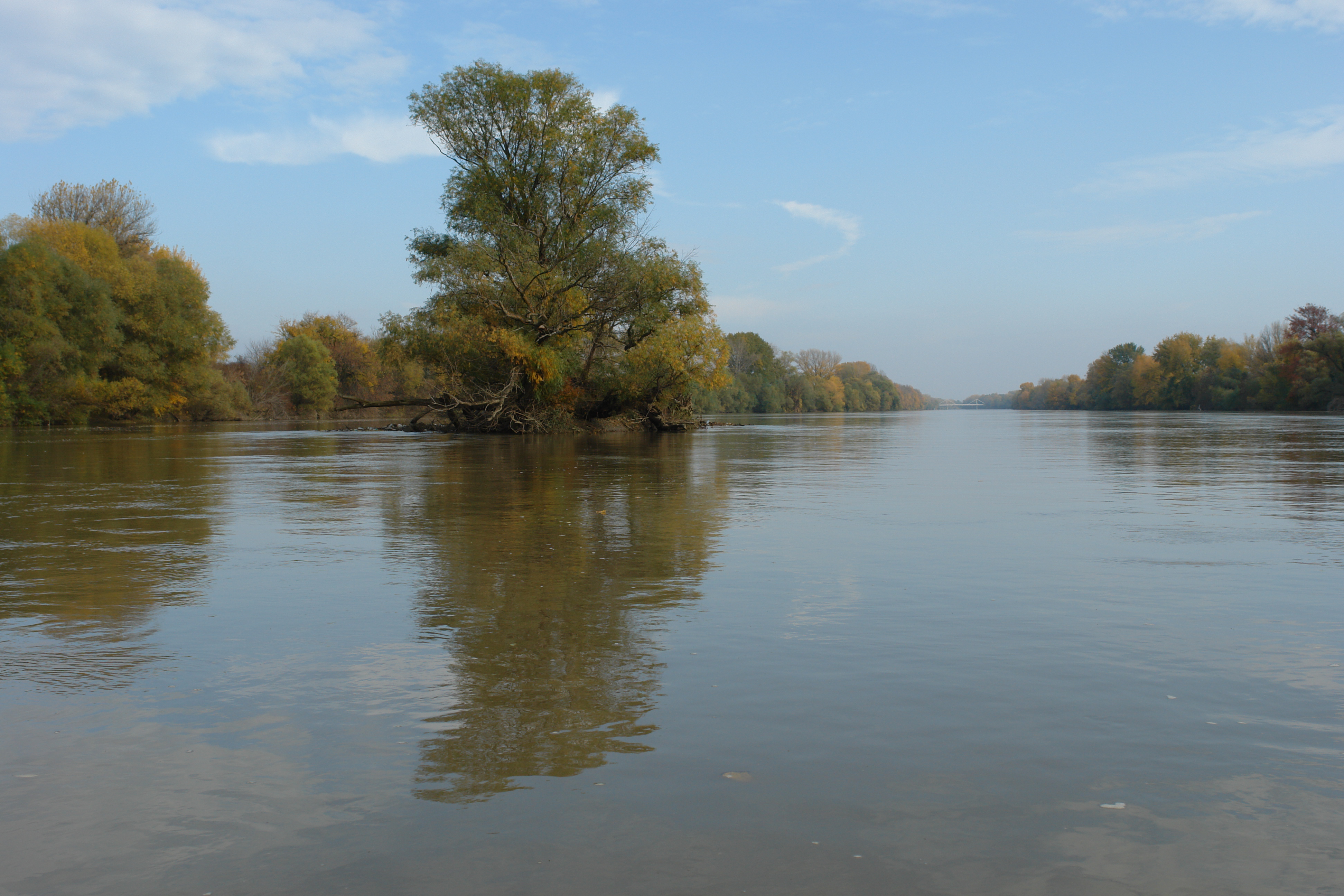
The complete length of the riveris 725 km, out of which only 48 km pass through Hungary.

After the Great Flood (1879) destroying the city, the people of Szeged made an oath to build a majestic catholic church.
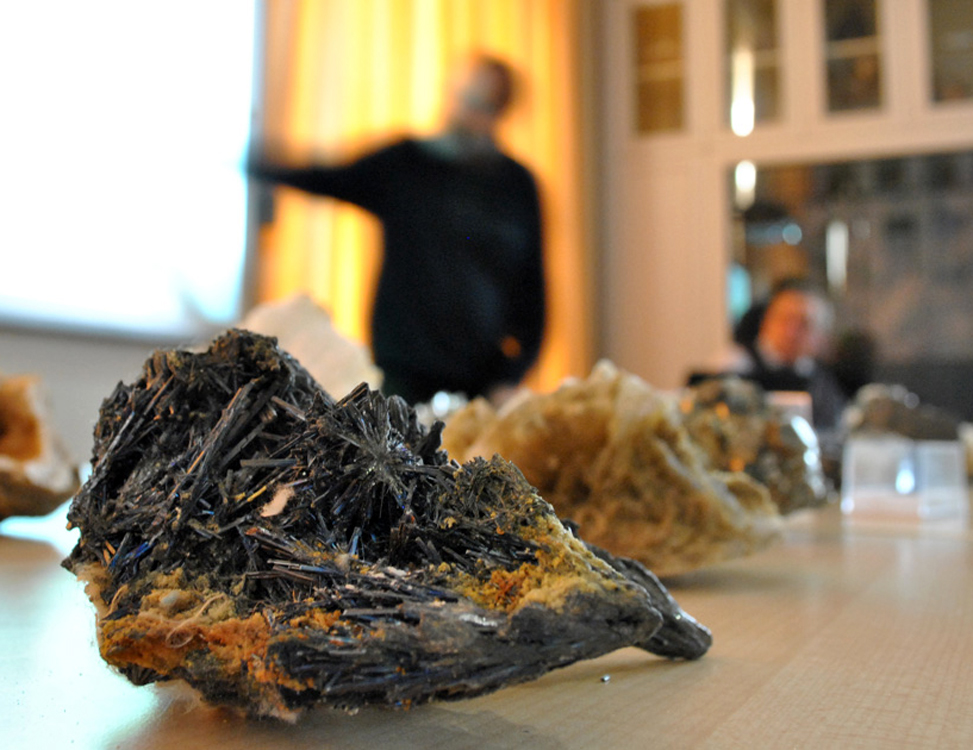
The collection, devoted to the passionate mineralogical researcher and professor Sándor Koch, former head of the Institute of Mineralogy and Petrology at the University of Szeged, consists of two main…
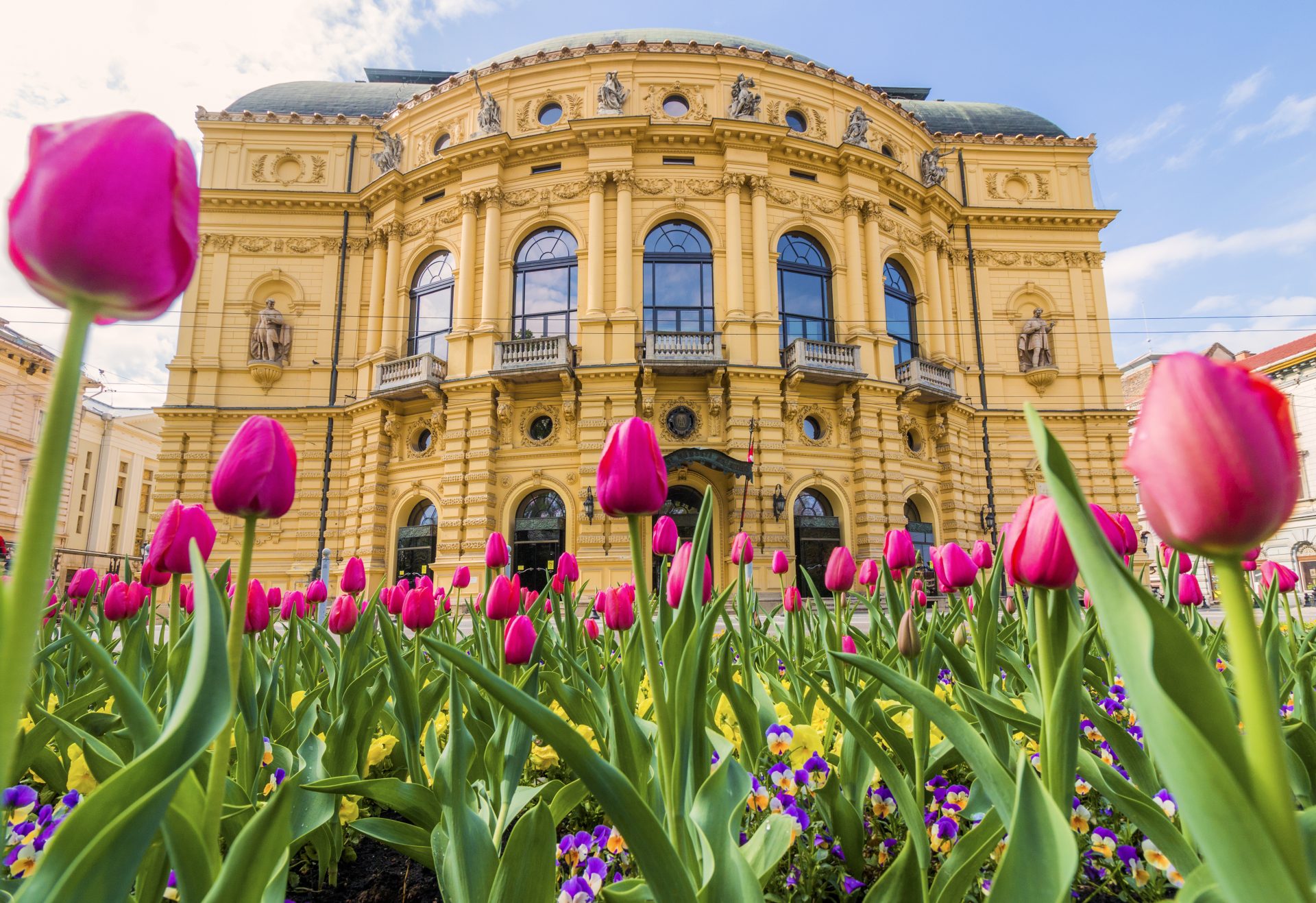
The theatre opened in 1883 is one of the most beautiful eclectic neo-baroque buildings of the town rebuilt from its ruins
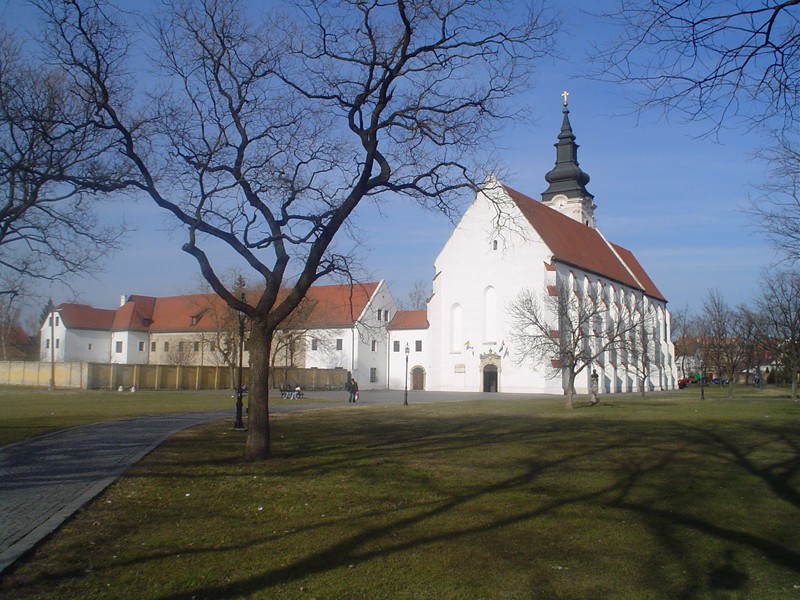
Szeged was one of the favorite towns of King Matthias Corvinus. In 1456 John of Capistrano led his troops from here to Nándorfehérvár (Belgrade), to support Matthias’s father, John Hunyadi…

The present City Hall is the third building in the same place with the same function. The first building of a modest design was raised in 1728. It was followed by the second one with the same area as the present hall, designed by István Vedres at the turn of the 18th and 19th centuries.
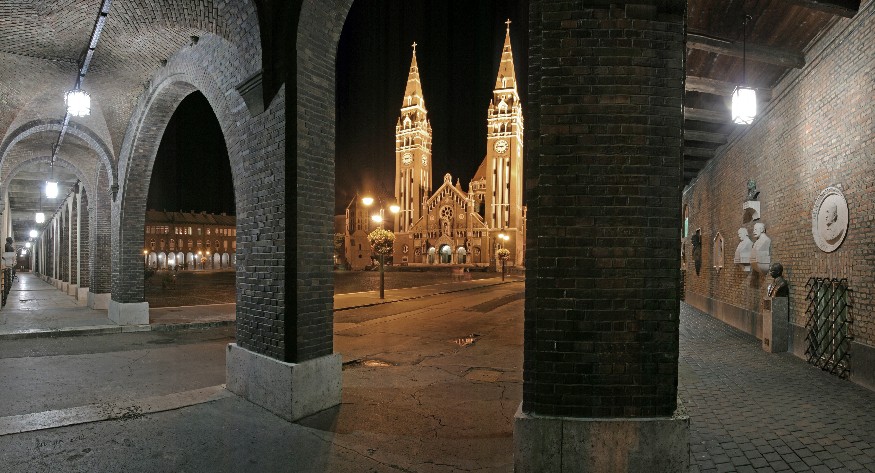
The square with exactly the same area as the Saint Mark Square in Venice (12,000 sq m), bordered by elegant, northern European style buildings.

Since the era of Maria Theresa, corps, barracks have always been present in Szeged but unfortunately, there are no active corps presently. Thus, the young people, the future generations and the tourists cannot see the beauties of military life at close quarters.
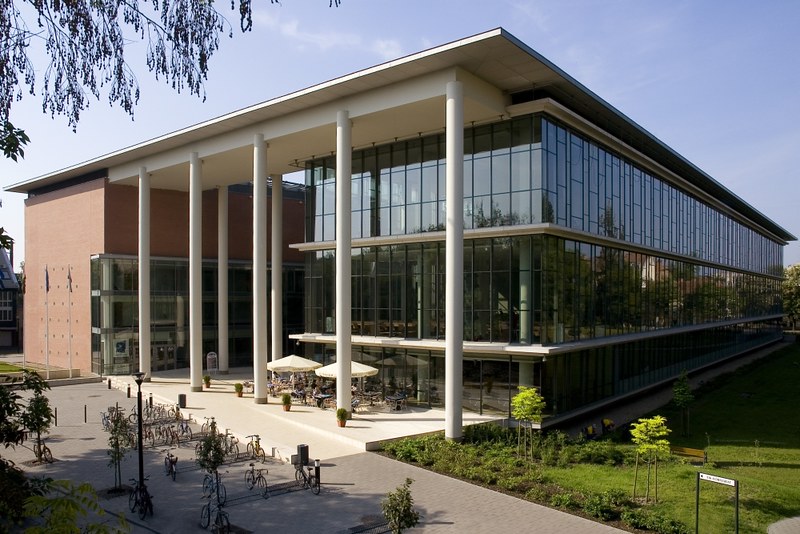
The education and congress centre of the University of Szeged.
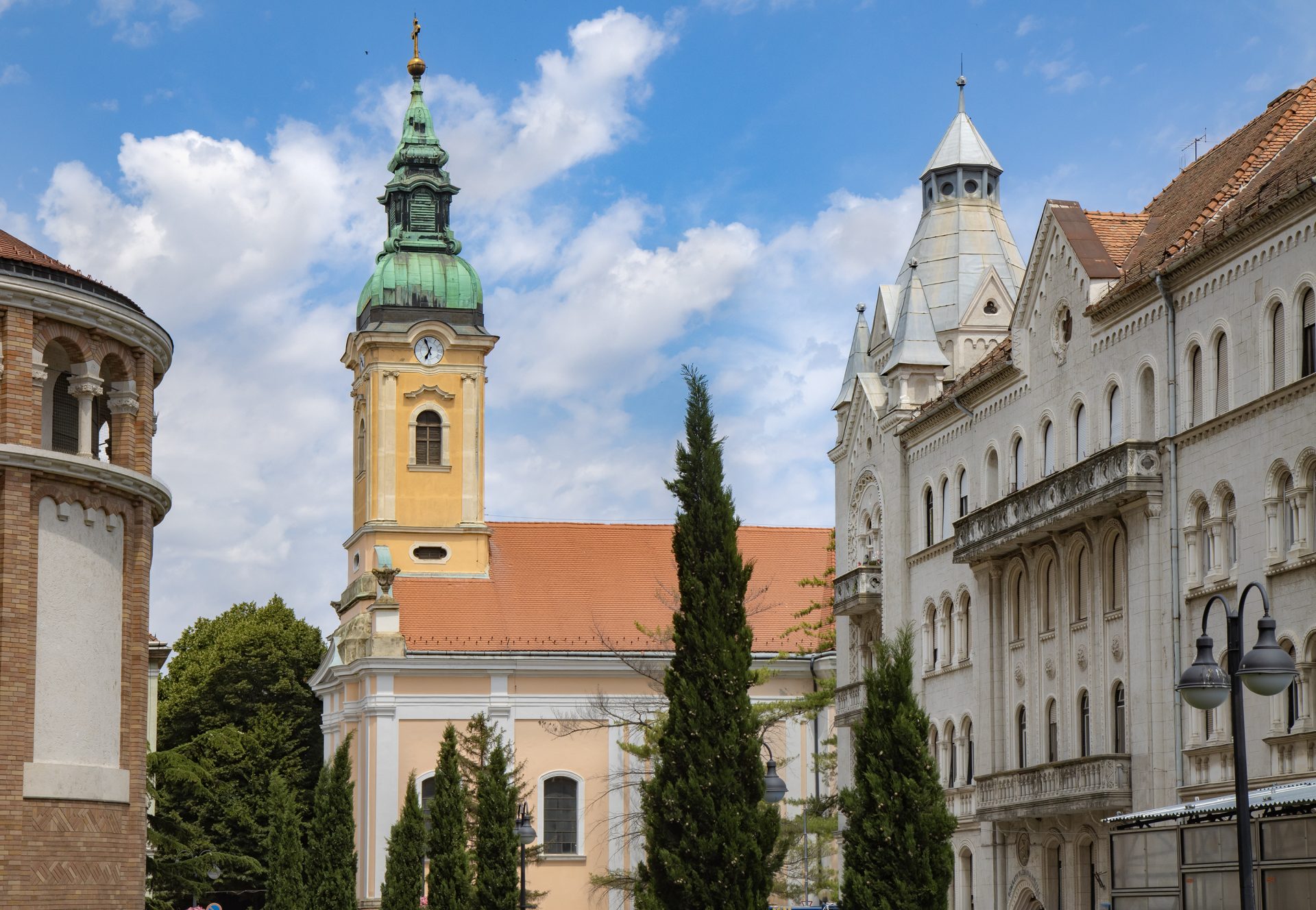
The Serbian Orthodox Church stands on the northern side of the square, close to the bank of the River Tisza.
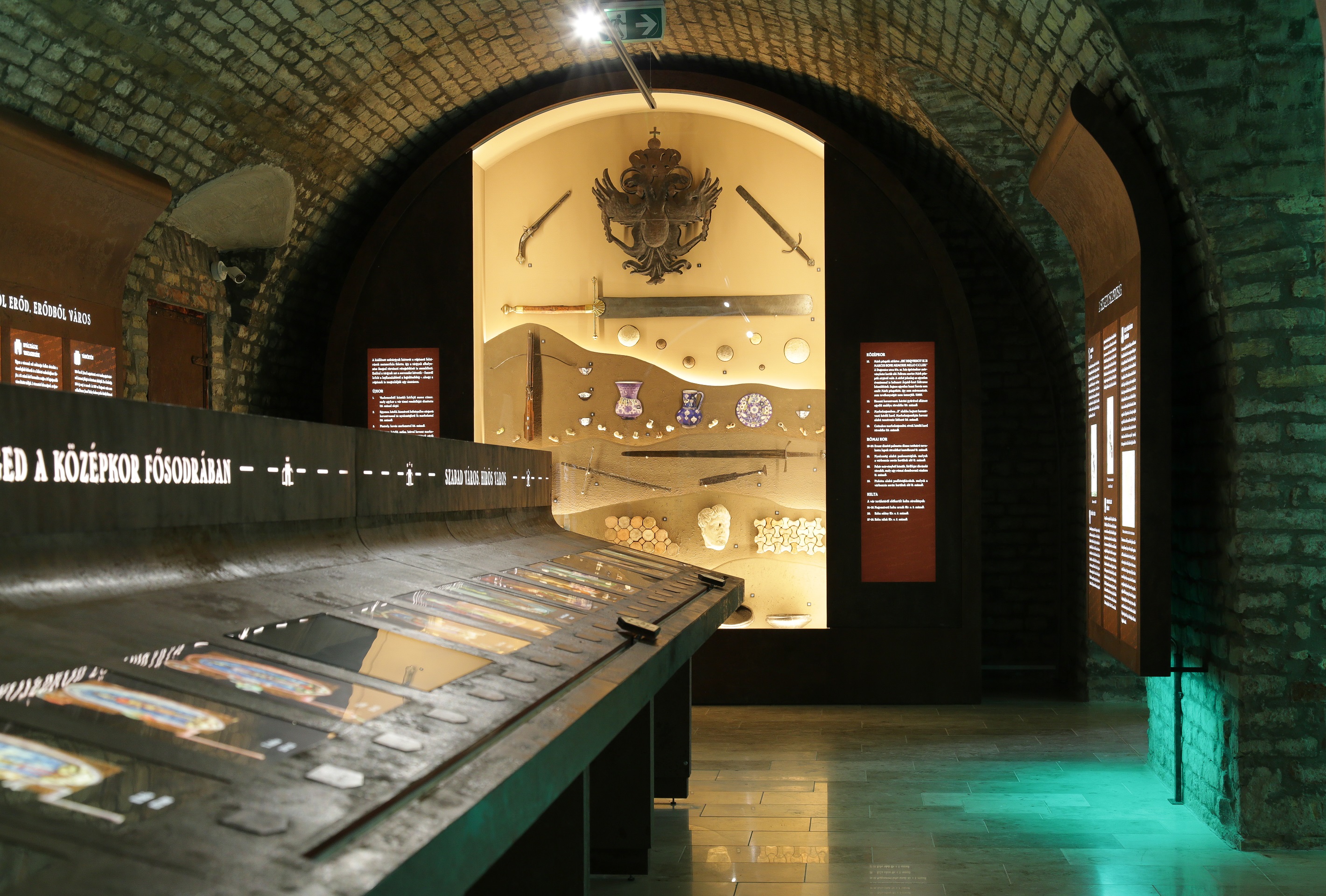
The fortress in Szeged was built in the second half of the 13th century, probably with the extension of the already existing fortress.

Ede Magyar (Ede Oszadszki) is the outstanding representative of Art Nouveau architecture in Szeged. He graduated at the Budapest State College of Building Industry and following his foreign studies he…
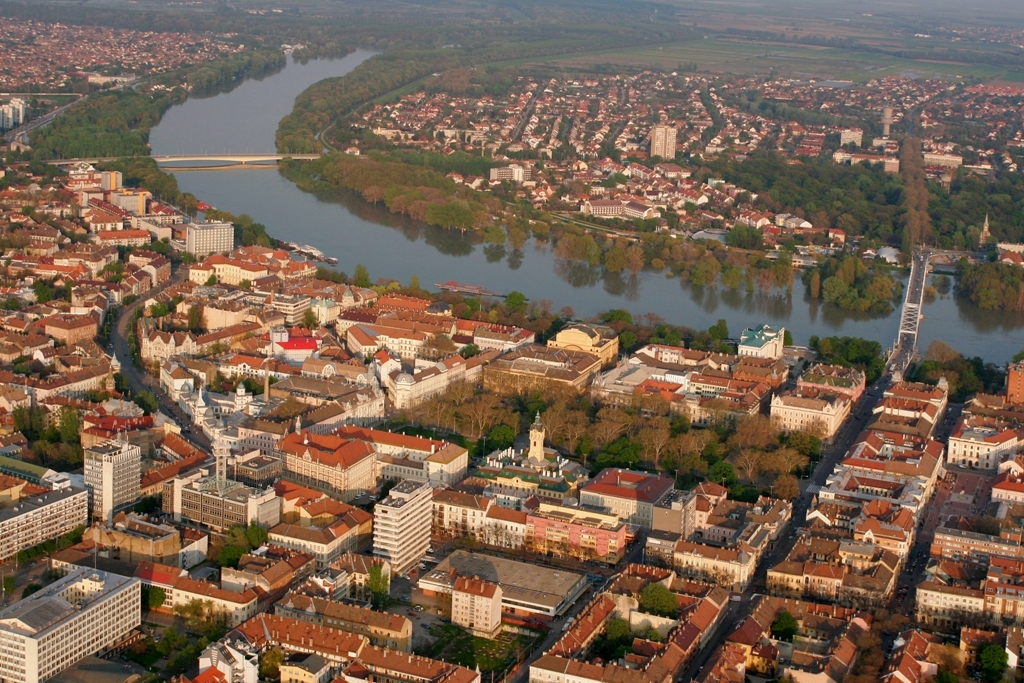
The river Tisza is the longest river in Hungary, it has its source in the Eastern Carpathians and it meets the Danube flowing through Serbia.
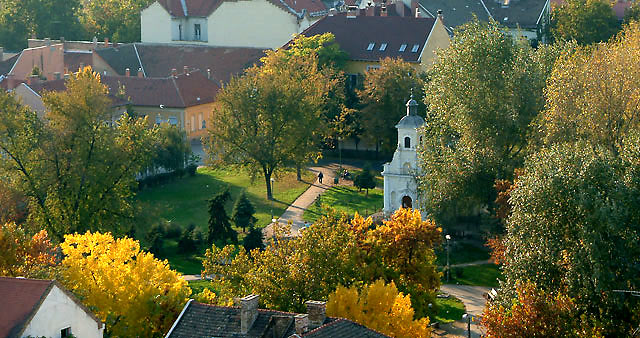
It is a spacious, grassy square among low buildings, with the Saint Rosalie Greek Catholic chapel in the middle, which is a witness of Szeged’s history and it was moved…
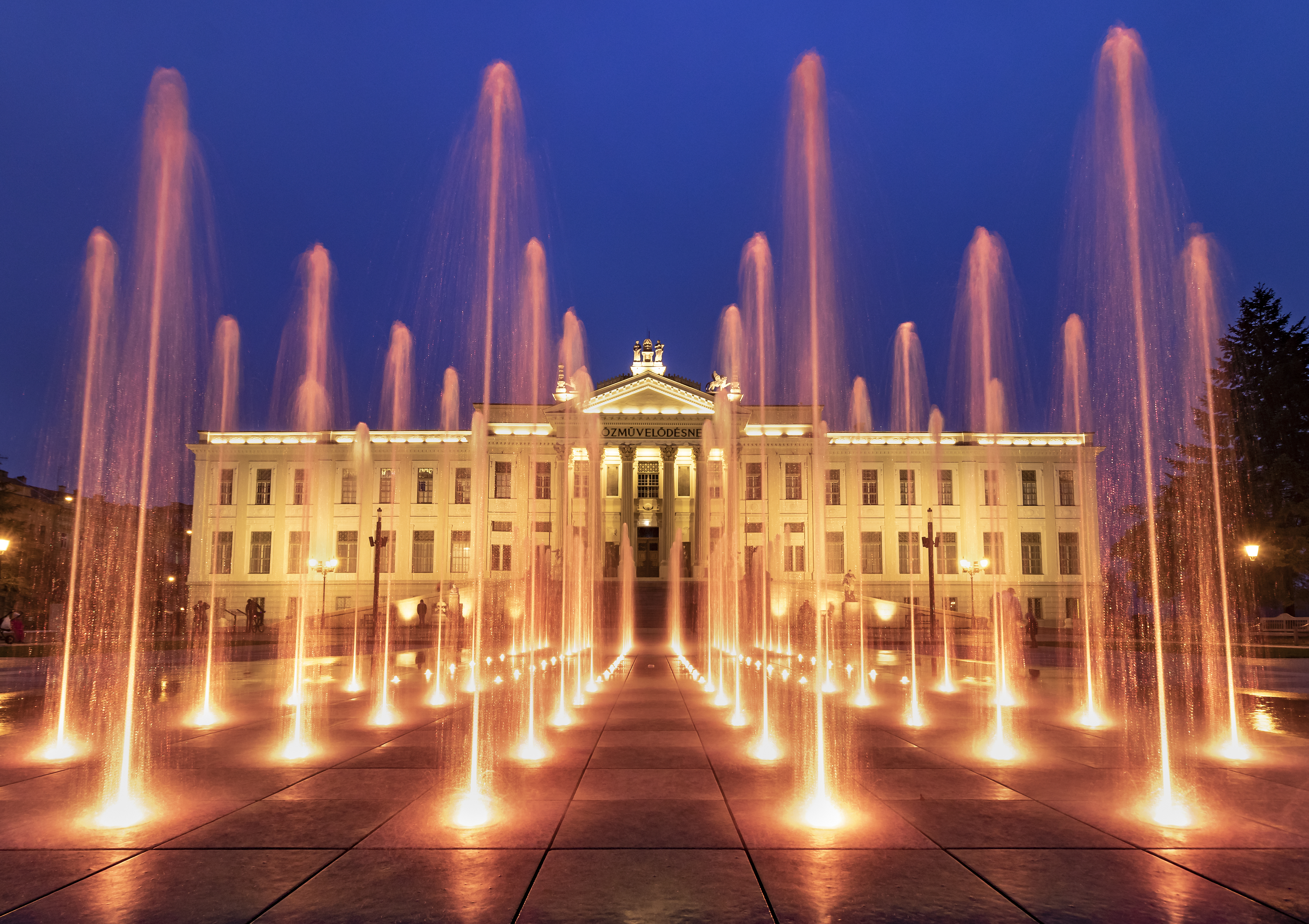
The square in front of the Ferenc Móra Museum has become one of the city’s most popular recreational and cultural spaces in recent years. Following a comprehensive renovation, the area…
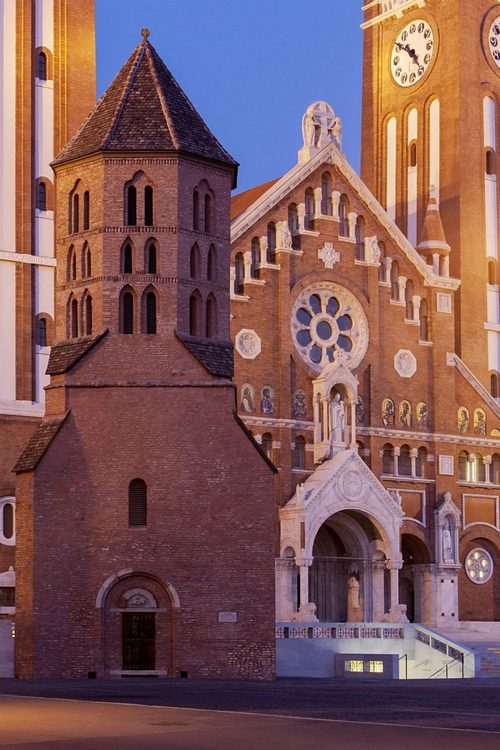
Outside the Votive church stands the Saint Demetrius Tower, the oldest architectural relic of the city.
Gyula Glattfelder was born in Budapest in 1874 in a rich, Swabian, industrialist family from Mór. He finished his secondary school studies at the Piarists in Budapest and at the…
The God’s Eye motive of the main altar in the Alsóvárosi Church (Lower Town Church), the radial lines, became recognizable ornaments of the houses in lower town.